

What Are the Top Types of Molding Services in 2026?
In 2026, molding services are becoming more specialized, measurable, and closely connected to product design. Manufacturers now compare tooling cost, cycle time, material performance, tolerances, and production volume before choosing a process. Injection molding remains a leading option for high-volume parts, from automotive clips to medical housings. It offers repeatable results, but complex molds can require significant investment.
Other important types include blow molding, compression molding, rotational molding, thermoforming, and liquid silicone molding. Blow molding suits bottles and hollow containers. Compression molding works well with thermoset materials and durable composite parts. Rotational molding supports large, hollow products such as industrial tanks and playground components. Thermoforming can reduce tooling costs for trays and protective packaging. Liquid silicone molding is valuable when flexibility, heat resistance, and skin-safe performance matter.
The right choice depends on more than a supplier’s equipment list. Experienced teams review wall thickness, draft angles, shrinkage, cooling behavior, surface finish, and expected production volume. They should also explain inspection methods, material certifications, prototype testing, and quality controls. Small details matter. A poorly placed gate can leave visible marks. Uneven cooling can create warpage.
No process is perfect.
Even reliable designs may need revision after testing. This is why trustworthy molding services providers use samples, dimensional reports, and documented process reviews. Buyers should request realistic lead times and clear cost assumptions. In 2026, the strongest molding strategy balances engineering evidence, manufacturing experience, and practical risk management rather than following trends alone.
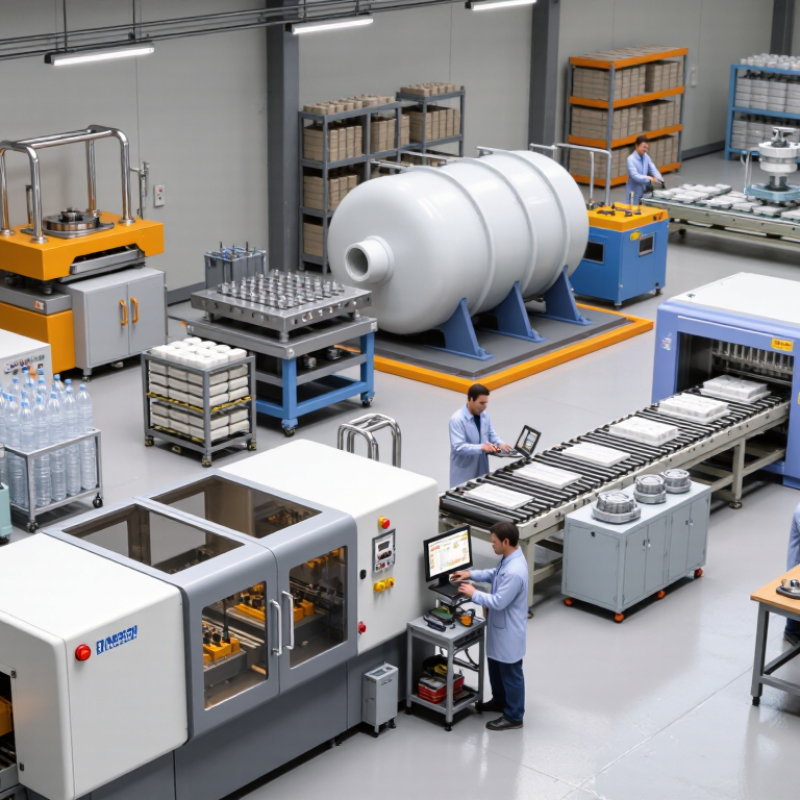
Injection Molding: 30–60-Second Cycles for High-Volume Production
Injection molding remains a leading choice for high-volume production in 2026. Many parts can complete a cycle in 30–60 seconds. The actual time depends on part size, wall thickness, resin, mold design, and cooling efficiency. A small housing may eject quickly, while a thick component needs longer cooling. Mold temperature, injection pressure, and packing time also influence consistency. In production reviews, cycle speed matters only when every part meets its dimensional requirements.
A reliable process starts with a balanced mold and carefully tested settings. Engineers should check filling patterns, sink marks, weld lines, and ejection stress during trials. Automated inspection can measure critical features between batches. Still, no cycle estimate is perfect. Early trials often reveal unexpected cooling delays or slight warpage. That is not a failure; it is useful evidence for improving the process.
Tips: Confirm cycle time with real material and production tooling, not software estimates alone. Track cooling time separately because it often controls the full cycle. Keep detailed records for pressure, temperature, shot weight, and rejection rates. Review these numbers after several shifts. A fast cycle with frequent defects is not efficient. Small adjustments may improve output, but rushed changes can create unstable parts.
| Material Category | Typical Applications | Typical Cycle Time | Recommended Production Volume | Common Part Characteristics | Key Processing Considerations |
|---|---|---|---|---|---|
| Polypropylene (PP) | Packaging, household components, automotive trim, living hinges | 30–60 seconds | High-volume production, generally 100,000+ parts | Low density, good chemical resistance, fatigue resistance, and impact performance | Shrinkage, warpage control, mold cooling, and rib design are important |
| Polyethylene (PE) | Containers, closures, storage products, tubing, and flexible components | 30–60 seconds | High-volume production, generally 100,000+ parts | Low friction, moisture resistance, toughness, and available flexibility | Material density, melt temperature, cooling uniformity, and shrinkage must be managed |
| ABS | Consumer products, electronic housings, appliance parts, and interior components | 35–60 seconds | Medium- to high-volume production | Good impact strength, surface finish, rigidity, and dimensional stability | Drying may be required; mold temperature and gate placement affect appearance and strength |
| Polycarbonate (PC) | Protective covers, lighting components, electrical enclosures, and safety-related parts | 40–60 seconds | Medium- to high-volume production | High impact resistance, transparency options, and good heat performance | Resin drying, controlled filling, mold temperature, and stress reduction are critical |
| Polyamide (PA, Nylon) | Gears, brackets, under-hood components, fasteners, and structural parts | 40–60 seconds | Medium- to high-volume production | High strength, wear resistance, and useful temperature performance | Moisture absorption, conditioning, fiber orientation, and dimensional changes require attention |
| Thermoplastic Elastomer (TPE/TPU) | Seals, grips, gaskets, flexible buttons, and overmolded components | 30–60 seconds | Medium- to high-volume production | Elasticity, soft touch, vibration absorption, and flexible sealing performance | Material hardness, bonding compatibility, mold venting, and cooling affect part quality |
| Glass-Fiber-Reinforced Thermoplastics | Automotive, electrical, industrial, and load-bearing engineering components | 45–60 seconds | Medium- to high-volume production | Higher stiffness, strength, and dimensional stability than unfilled resins | Fiber orientation, abrasive wear, warpage, gate design, and tool maintenance are important |
| Recycled Thermoplastic Resins | Non-critical housings, packaging components, consumer goods, and industrial products | 35–60 seconds | Medium- to high-volume production, subject to material consistency | Potentially lower material impact with performance dependent on feedstock quality | Moisture, contamination, color variation, melt-flow consistency, and blend ratios must be controlled |
Related Posts
-
How to Choose the Best Molding Services for Your Business?
-
China Top Plastic Molding Manufacturers for Global Buyers?
-
Top 10 Plastic Injection Companies for Global Buyers?
-

How to Master Custom Plastic Molding Techniques for Your Projects?
-
How to Choose the Right Injection Moulding Process?
-
Top 10 Tips for Efficient Plastic Injection Molding Process?
Our Promise to You

Contact IPM
Phone: 937.898.3775
Fax: 937.535.0640
Email: sale@endtheplastic.com