Why Choose an Injection Molding Machine for Your Business?
Choosing an injection molding machine can shape your production costs, quality, and long-term growth. For businesses making plastic components, this equipment offers repeatable results and efficient material use. It can produce small caps, automotive housings, medical parts, and detailed consumer products. Each cycle follows a controlled sequence: melting, filling, cooling, and ejection. That consistency helps teams reduce manual variation and maintain stable output.
Experienced manufacturers examine more than the machine’s purchase price. They compare clamping force, injection speed, mold size, energy consumption, control systems, and service support. A suitable injection molding machine should match the material, product geometry, expected volume, and available floor space. Operators also need reliable training and clear maintenance procedures. Small details matter, such as checking hydraulic leaks, cleaning the hopper, and recording cycle changes.
Still, this choice is not automatically right.
A high-speed model may waste money in a low-volume workshop. A cheaper machine may create hidden costs through downtime, uneven parts, or difficult repairs. Production teams should test sample molds and review supplier documentation before committing. They should also consider workplace safety, ventilation, electrical requirements, and responsible waste handling. These checks can feel slow, but they protect the investment. No machine removes every manufacturing challenge. However, with careful planning and professional support, the right equipment can improve productivity, product consistency, and business confidence.
Business Needs That Injection Molding Can Address
Why Choose an Injection Molding Machine for Your Business?
Business Needs That Injection Molding Can Address
Injection molding can support businesses that need repeatable plastic parts at growing volumes. It produces consistent shapes with controlled pressure, temperature, and cooling time. Consistency matters. Small variations can affect assembly, sealing, or the finished product’s appearance.
This process also addresses labor and production planning challenges. A suitable machine can run automated cycles, reduce manual handling, and maintain steady output across multiple shifts. Operators still need training, however. Poor mold setup or unstable material drying can create warping, short shots, and surface marks. That assumption can fail. Automation does not replace process control.
Cost control is another practical need. Although molds require an upfront investment, efficient cycles can lower the cost per part over larger production runs. Businesses can also reduce material waste through accurate dosing and optimized runner design. Results depend on part geometry, resin selection, and production volume. Not every product needs it.
Quality-focused companies may benefit from documented settings, inspection records, and traceability for each batch. These practices help teams identify defects instead of guessing at the cause. Experienced engineers usually review wall thickness, draft angles, cooling channels, and expected tolerances before approving a mold. A rushed design can create expensive maintenance later. Regular cleaning, lubrication, and preventive checks protect reliability, but they require time and discipline.
How an Injection Molding Machine Produces Plastic Parts
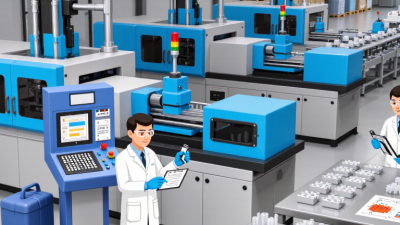
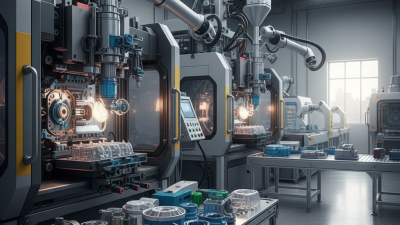
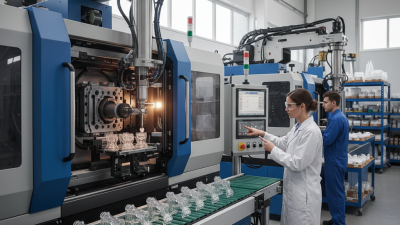
An injection molding machine turns measured plastic pellets into repeatable parts. The process begins inside the hopper, where dried resin feeds into a heated barrel. A rotating screw conveys, melts, and mixes the material. Barrel heaters and shear provide controlled heat.
When enough melt collects, the screw moves forward like a piston. It pushes the material through a nozzle into a closed mold. Clamping force keeps the mold halves together during filling. Cooling channels remove heat while the plastic takes the cavity’s shape. Ejector pins then release the finished part.
The details matter. A technician checks melt temperature, injection speed, holding pressure, and cooling time. Small changes can create sink marks, warping, short shots, or visible weld lines. The process is repeatable, but not magical. Mold design and material drying still decide much of the result.
Grand View Research valued the global injection molding machine market at about USD 15.39 billion in 2023. Its report projects a 4.6% compound annual growth rate from 2024 to 2030. PlasticsEurope reported 413.8 million tonnes of global plastics production in 2023. These figures show the scale behind molded components, from appliance housings to medical-grade equipment. Yet high output alone does not guarantee good business. A practical trial should measure cycle time, scrap rate, part weight, and energy use before equipment selection. One overlooked cooling channel can quietly reduce profit.
Key Business Benefits of Using Injection Molding
Injection molding can turn a carefully designed tool into thousands of consistent parts. That repeatability is a major business advantage. Grand View Research valued the global injection molding machine market at about USD 15.4 billion in 2023. It also forecasts continued growth through 2030, supported by packaging, automotive, medical, and consumer product demand.
Consistency matters.
A stable molding cycle reduces dimensional variation, rework, and inspection pressure. Automated material feeding and part removal can also lower repetitive labor requirements. Fortune Business Insights reported that the global market could grow from approximately USD 18.6 billion in 2023 to more than USD 26 billion by 2030. These figures suggest expanding demand, but market growth alone does not guarantee profit. Machine selection, mold quality, resin control, and operator training still determine actual performance.
Injection molding also supports scalable production. A business can begin with moderate volumes, then increase output without redesigning every part. Shorter cycle times may improve delivery reliability, especially when production runs continue overnight. However, the initial mold investment can be substantial, and poor design decisions are expensive to correct. In shop-floor evaluations, small issues often matter: trapped air, uneven cooling, or moisture in the resin can create rejects. I would not treat the machine as a complete solution. It is a production system requiring maintenance records, process data, and honest cost reviews.
Why Choose an Injection Molding Machine for Your Business?
Key business benefits include scalable production, consistent output, and lower labor involvement. This chart models annual capacity as the number of mold cavities increases.
Capacity is calculated using a 30-second cycle time, 85% machine availability, continuous operation, and one part per cavity per cycle. Actual results vary according to material, part design, mold complexity, changeover time, and operating schedule.
Factors to Consider When Selecting a Machine
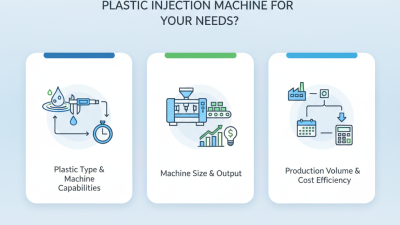
When selecting an injection molding machine, match its capacity to your actual production plan. A larger machine is not automatically better. It may consume more energy, require more floor space, and reduce efficiency during small-batch work. The IEA’s Energy Efficiency 2023 report states that industry consumed about 37% of global final energy in 2022. That figure makes energy selection impossible to ignore. Start with part weight, material type, mold dimensions, and expected annual cycles.
Clamping force needs careful calculation. Too little force can create flash around the mold parting line. Excessive force may increase wear and energy use. Injection speed also affects thin-wall filling, surface quality, and cycle time. Ask suppliers for tested cycle data, not attractive estimates. A machine running 10 seconds faster sounds impressive. It may not remain stable after months of operation.
Control system quality matters on the factory floor. Look for repeatable pressure, temperature stability, accessible alarms, and clear maintenance records. Servo-driven systems may reduce idle energy, but savings depend on operating patterns and factory conditions. The U.S. Department of Energy identifies motor systems as a major industrial electricity load, so measurement should come before promises. I would also inspect noise, oil leakage, operator access, and spare-part availability. Small details matter. A perfect machine rarely exists. My own selection mistake would be trusting peak specifications while ignoring the mold, material, and people using the machine.
Production Planning, Costs, and Long-Term Returns
Why Choose an Injection Molding Machine for Your Business?
Production planning should begin with demand, not machine size. Estimate monthly volume, part weight, cycle time, and acceptable scrap rates. A machine running below capacity can become an expensive centerpiece. A smaller machine may limit future growth, however. The balance is rarely obvious.
Costs extend beyond the purchase price. Include molds, installation, energy, cooling, maintenance, operator training, and material storage. Calculate the cost per acceptable part, not merely the hourly machine rate. In production reviews, cycle stability often matters more than impressive maximum speed. Consistent pressure and temperature can reduce rejected parts and protect delivery schedules. My early estimates ignored mold servicing. That mistake changed the real payback period.
Tips:
Build three demand scenarios: cautious, expected, and ambitious. Compare each with machine utilization, labor hours, and maintenance downtime. Ask for documented performance data and inspect similar production conditions when possible. Keep a replacement-parts budget. Small failures become costly when no backup plan exists.
Long-term returns also depend on flexibility. A machine supporting several mold sizes can serve changing orders. Modular controls may simplify future process improvements. Yet extra features are not automatically valuable. Pay for capabilities your production team can measure and use. Review energy consumption every quarter, because small inefficiencies accumulate across thousands of cycles. Leave room for learning; real production rarely matches the spreadsheet perfectly.