
In 2026, sourcing custom injection molded parts requires more than comparing unit prices. Material selection, mold design, process control, and supplier communication shape the final result. A polished sample can still hide weak weld lines, uneven wall thickness, or difficult ejection marks. Look closely. Ask how the supplier measured those details.
A reliable sourcing process begins with a clear technical package. Include three-dimensional CAD files, drawings, tolerances, resin requirements, surface finishes, annual volumes, and expected service conditions. Experienced suppliers should explain draft angles, gate locations, cooling layouts, shrinkage allowances, and likely tooling risks before quoting. Their answers should be specific, not merely reassuring. Request material certificates, first-article inspection reports, process records, and photographs from comparable projects. These documents help separate practical manufacturing experience from attractive sales language.
Cost still matters, but the lowest mold quote may become expensive after revisions, delays, or unstable production. Compare tooling ownership, maintenance terms, sampling stages, lead times, quality controls, and communication responsibilities. Evaluate whether the supplier can support engineering changes after trial molding. That support often matters when a part fits poorly by only a fraction of a millimeter. Sustainability also deserves attention, including recycled-content options, material traceability, energy use, and end-of-life considerations where technically suitable. No sourcing plan is perfect. I have seen teams over-specify tolerances, overlook packaging, and discover problems during assembly. A thoughtful review reduces these mistakes, while honest supplier dialogue makes correction faster. The strongest partnership combines documented evidence, responsive engineering, and realistic expectations.
Before requesting a mold quotation, define what the part must do. Record dimensions, load, temperature, chemical exposure, surface finish, and expected service life. Specify the resin family, color, flame rating, and recycled-content target. These details prevent a low-cost design from becoming an expensive tooling revision.
Production volume also changes the objective. A prototype may favor soft tooling, while millions of parts require cycle-time control and durable steel.
MarketsandMarkets estimated the injection molded plastics market at more than USD 280 billion in 2024, showing the scale of this manufacturing method. PlasticsEurope reported 413.8 million tonnes of global plastics production in 2023.
Those figures suggest strong capacity, but capacity does not guarantee part quality. Draft a measurable target for warpage, flash, sink marks, and dimensional variation. ISO 20457 can help structure tolerance discussions. Still, a drawing alone is not enough. Real assembly tests may reveal weaknesses.
Tips:
Create a one-page part requirement sheet. Separate must-have features from preferences. Include annual demand, launch date, inspection method, and failure limits. Ask a mold engineer to review ribs, bosses, draft angles, and gate locations before final tooling approval. A 1-degree draft angle may help ejection, but it can alter appearance or wall thickness. I have seen teams overfocus on cosmetic perfection and overlook assembly stress. That is an uncomfortable mistake, yet it deserves review before sourcing begins.
Selecting the right material begins with the part’s working environment. Polypropylene suits lightweight housings, while glass-filled nylon handles higher loads and heat. However, reinforcement can increase warpage near ribs, bosses, and uneven wall sections. Ask for resin certificates, moisture controls, and lot traceability before approving production. I have seen attractive samples fail because the resin grade changed quietly.
Define tolerances from function, not preference. A sliding feature may need tighter control than a cosmetic cover. Use a recognized molding tolerance standard, then identify critical dimensions on the drawing. Avoid applying tight tolerances everywhere; they increase tooling and inspection costs. Allow for shrinkage, draft angles, and cooling differences during design reviews. A perfect drawing cannot correct poor gate placement.
Tips: Specify the resin grade, color reference, and allowable variation. State whether dimensions apply before or after conditioning. For surfaces, describe texture numerically when possible, using an accepted roughness or texture standard. Glossy areas expose flow marks, weld lines, and sink marks quickly. Matte textures can hide minor defects, but they may need deeper draft. Request first-article measurements from several cavities, not one sample. Also inspect parts after assembly. That step is often missed.
How to Source Custom Injection Molded Parts?
Evaluate mold design, tooling costs, and production volumes before requesting quotations. A mold designed for 5,000 parts differs greatly from one designed for 500,000. The 2024 Injection Molded Plastics Market report estimates the global market reached about USD 387 billion in 2023. This scale reflects strong demand, but it does not make every project economical. Production volume still controls the tooling payback period.
Review part geometry with an experienced mold engineer. Thin walls, deep ribs, sharp corners, and uneven cooling can increase machining and maintenance costs. A simpler two-plate mold may suit stable, high-volume production. Complex slides or unscrewing mechanisms may be justified only when the part requires them. Ask for steel grade, expected tool life, cavity count, cycle time, and repair assumptions. Tooling prices alone are not enough.
The 2024 Injection Molding Machine Market report projects steady market growth through 2030, near a 4–5% annual rate. That growth supports broader capacity, but regional labor, energy, and finishing costs remain different. Request quotes for 10,000, 50,000, and 200,000 parts. Compare total cost per usable part, not the cheapest mold. A spreadsheet can still mislead. I would also reserve money for design changes, because first-run perfection is uncommon. Cite: 2024 Injection Molded Plastics Market Report; 2024 Injection Molding Machine Market Report.
2026 How to Source Custom Injection Molded Parts?
Compare Qualified Suppliers and Verify Manufacturing Capabilities
A qualified supplier should prove capability, not merely promise quality. Request machine lists, resin experience, mold records, and recent inspection reports. Compare clamping force, shot size, tolerance control, automation, and production capacity. The ISO Survey 2023 recorded more than 1.2 million ISO 9001 certificates worldwide. Certification helps, but it does not replace process evidence. Ask for material certificates, lot traceability, dimensional studies, and corrective-action records. A supplier should also explain its mold-flow analysis and design-for-manufacturing decisions clearly.
Run a technical review before requesting final prices. Check whether the supplier owns suitable presses or depends on subcontractors. Review sample parts under magnification. Look for flash, sink marks, weld lines, warpage, and inconsistent color. Request Cpk data for critical dimensions, preferably from repeated production runs. One uncomfortable lesson is that a perfect first sample can hide unstable production. The OECD Global Plastics Outlook also warns that plastic waste could nearly triple by 2060, so material selection and scrap controls deserve attention.
Tips: Use the same drawing and quality checklist for every supplier. Ask for a live virtual factory tour. Verify calibration dates. Require a pilot run before full production. Keep one contingency supplier, even after approval. Cost matters, but unclear capability costs more.
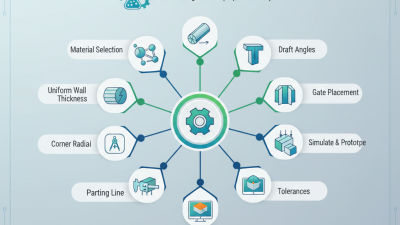
This qualification framework assigns practical review priorities when comparing injection molding suppliers. Dimensional capability, material traceability, tooling control, and process validation should receive the greatest attention because they directly affect part consistency, production repeatability, and approval risk.
Reliable sourcing starts with a controlled prototype plan. Share the 3D model, resin requirements, surface finish, and expected annual volume. Ask for a trial part before approving production tooling. A prototype reveals more than a drawing. It can expose thin walls, sink marks, sharp corners, or difficult ejection areas. Measure critical dimensions with calibrated tools, not visual judgment alone. Record each result beside the approved drawing.
Quality inspection should follow the part’s real function. Create a control plan for dimensions, appearance, weight, and assembly fit. Inspect first-off samples before releasing the full batch. For example, check a 2.05 mm wall with a gauge, then test ten parts for consistency. Keep inspection photos and measurement reports with the shipment records. Small details matter.
Delivery needs more than a promised date. Confirm packaging, labeling, batch quantities, and transport conditions early. A well-made part can still arrive scratched or mixed with another revision. That failure is easy to overlook. We once treated packaging as an afterthought, and handling marks created unnecessary rework. The better approach is to test cartons, protect visible surfaces, and approve a sample shipment. Estimates can be wrong. Keep buffer time for tooling changes, inspection delays, and repeat sampling. Clear communication makes each correction faster and easier to verify.
All products and services provided by Innovative Plastic Molders, Inc. will meet or exceed our customer's perceived requirements and expectations. We will listen and respond to what our customers are telling us in a timely and forthright manner.

ISO 9001:2015 CERTIFIED
© Copyright 2009 – Innovative Plastic Molders, Inc.
Website by Central 8 Marketing
10451 Dog Leg Road Ste 200
Vandalia, OH 45377
Phone: 937.898.3775
Fax: 937.535.0640
Email: sale@endtheplastic.com