How to Optimize the Injection Moulding Process for Efficiency?
The injection moulding process is a cornerstone in manufacturing, impacting various industries from automotive to consumer goods. According to a report by MarketsandMarkets, the global injection moulding market is expected to reach USD 346.36 billion by 2026, growing at a CAGR of 4.5%. This growth underscores the need for optimizing efficiency in this critical process.
Many manufacturers face challenges in maximizing productivity while minimizing costs. Inefficiencies can arise from outdated machinery, improper material handling, and inadequate process monitoring. The relevance of real-time data analytics is evident, as companies that utilize these tools report up to 15% improvements in cycle times and waste reduction.
Investing in training and development further enhances the injection moulding process. However, it's crucial to continuously assess the effectiveness of staff training programs. Balancing automation with skilled labor can yield better outcomes, yet finding the right mix is an ongoing challenge. Addressing these complexities can lead to more reliable production and improved product quality, ultimately benefiting the entire supply chain.
Understanding the Basics of Injection Moulding Process
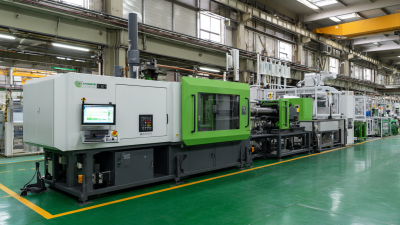
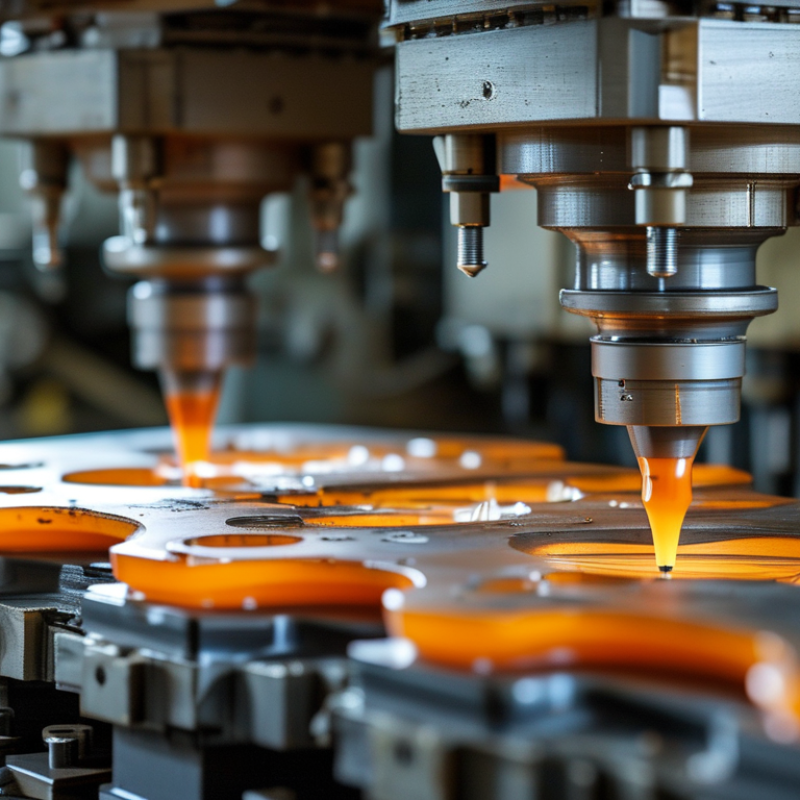
The injection moulding process is a popular manufacturing technique. It allows for high volume production of plastic parts. At its core, injection moulding involves melting plastic pellets and injecting them into a mould. The mould defines the shape of the finished product. Understanding temperature control is crucial. Too high of a temperature can degrade material quality. A cooler environment can lead to incomplete fills.
Timing is another critical factor. The speed at which the material is injected can affect part consistency. Slow injection allows for better filling of complex shapes. However, it can increase cycle times. Finding the right balance is essential. Frequent monitoring during production can reveal issues. Observing the flow and cooling times helps in understanding areas that need attention.
Operators often face challenges in this process. Material variations can affect the final product’s strength and appearance. Regular training in troubleshooting can improve efficiency and quality. Experimentation with different settings is necessary. Learning from mistakes leads to better practices. Emphasizing continuous improvement fosters a more reliable production environment.
Identifying Key Factors Affecting Efficiency in Injection Moulding
In the injection moulding process, several key factors influence efficiency. One major element is the temperature control. Proper heating of both the barrel and mold is vital. Too high a temperature can cause material degradation, while too low can lead to incomplete filling. Maintaining the optimal temperature range enhances cycle times and product quality.
Another critical aspect is the choice of materials. Different polymers behave uniquely under heat and pressure. Understanding these properties is crucial. The wrong material can lead to increased waste and defects, impacting overall efficiency. Moreover, machine settings should be tuned for each specific material used.
Operator skill also plays a significant role. An experienced operator can quickly identify issues like inconsistent flow or short shots. Continuous training can help reduce errors and enhance overall efficiency. However, there is often a gap in knowledge transfer, leading to inconsistencies in performance. Organizations need to prioritize ongoing education in their operations.
Implementing Advanced Technology for Optimized Manufacturing
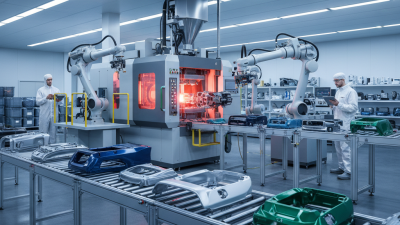
The injection moulding process has seen transformative advancements with recent technologies. Robotic automation, for example, plays a crucial role in improving efficiency. According to a report by the International Society of Automation, automated systems can reduce cycle time by up to 30%. This shortened time leads to increased production rates and lowers labor costs.
Implementing sensors and IoT devices can also enhance the process. Real-time monitoring of temperature and pressure ensures optimal conditions. This technology helps to reduce defects, improving the overall quality of products. A study by the Society of Plastics Engineers indicates that an optimized process using these technologies can decrease material waste by 20%. However, the integration of these advanced technologies can present challenges, such as the initial investment costs and the learning curve for staff.
While the benefits are clear, companies need to consider their unique situations. Not every organization has the resources for immediate upgrades. In some cases, existing machinery can limit the full potential of new technologies. An incremental approach may be required, allowing businesses to adapt gradually without significant risk. Embracing change is vital, but it must be balanced with practical considerations.
Best Practices for Reducing Waste and Enhancing Productivity
Optimizing the injection moulding process is crucial for improving efficiency. Reducing waste is a major concern for many manufacturers. One effective practice is to monitor the entire production line closely. Utilize sensors to gather real-time data. This helps identify inefficiencies quickly and address them.
Implementing a better material management system is vital. Using predictive analytics can help minimize excess material usage. However, some teams might struggle with adapting to these new technologies. It's essential to train staff properly to maximize benefits. A lack of understanding often leads to mistakes and increased waste, which defeats the purpose.
Another critical aspect is machine maintenance. Establishing a regular maintenance schedule prevents unexpected breakdowns. Yet, many facilities overlook this, leading to costly downtimes. Reflecting on past performance can reveal patterns that need attention. Adjusting operational protocols based on these insights can enhance productivity significantly.
Continuous Monitoring and Adjustments for Ongoing Improvement in Processes
Continuous monitoring and adjustments are key in optimizing the injection moulding process. The manufacturing industry reports that companies using real-time data see a 20% increase in efficiency. This is achieved through monitoring machine performance, material quality, and production timelines. Data analytics transforms raw numbers into actionable insights, allowing engineers to fine-tune machinery settings rapidly.
Adjustments based on feedback can significantly reduce waste. According to a study published in the Journal of Manufacturing Processes, companies that implement these feedback loops maintain a 15% lower scrap rate. Regular evaluations help identify recurring issues that might otherwise go unnoticed. Over time, slight changes, when multiplied, can lead to substantial improvements in production.
Implementing continuous monitoring requires a commitment to change. Many organizations still rely on outdated practices, which can hinder progress. Investing in modern monitoring technologies may seem daunting, yet it is essential for staying competitive. Embracing a culture of ongoing improvement can yield significant returns. The challenge lies in integrating these practices effectively into existing workflows.