Why Is Plastic Used for Molding?
Why is plastic used for molding across products as different as bottle caps, medical housings, toys, and appliance panels? The answer is not simply low cost. Many plastics can soften or flow under controlled heat and pressure, then take the shape of a mold. This makes detailed, repeatable parts possible at production volumes suited to the process. It is practical. But not magic.
Materials scientist and author Mark Miodownik writes, “Materials are the stuff of our lives.” His observation offers a useful starting point, though it is not specifically about molding. The choice of plastic depends on the job: a lightweight polypropylene component may suit one design, while a tougher engineering resin may better handle repeated impact or heat. Process conditions, part geometry, and the intended service environment all matter. A resin name alone cannot promise a successful part.
Plastic for molding can support complex shapes, consistent dimensions, and efficient production when the material and tooling are well matched. Yet molded parts can warp, shrink, or fail in service if design details or processing conditions are overlooked. Some plastics tolerate heat or chemicals better than others; none is ideal for every application. Recycling also depends on resin type, additives, product design, and available collection systems. That deserves more thought than a simple “plastic is recyclable” claim. In this article, we’ll examine the practical reasons manufacturers use plastic for molding, the trade-offs behind material selection, and the limits worth considering before choosing a process.
Key Properties That Make Plastic Suitable for Molding
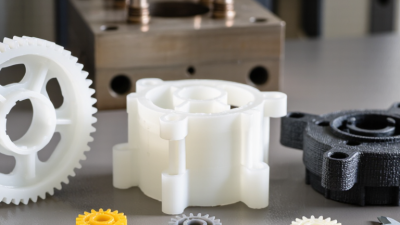
Plastic works well for molding because heat softens many thermoplastics, allowing them to flow into detailed cavities. Cooling then fixes the shape. This process can form thin walls, ribs, snap-fit features, and curved surfaces in one component. Lightweight matters. Plastic also resists moisture and many chemicals, while its stiffness, flexibility, and color can be adjusted through material selection. These properties vary by resin, so “plastic” is not one uniform material.
Processing behavior matters just as much. Melt viscosity affects how completely a cavity fills; shrinkage and uneven cooling can cause warping or dimensional changes. Designers often use mold-flow analysis and trial runs to check these risks before production. PlasticsEurope’s Plastics—The Facts 2023 reports global plastics production of 400.3 million tonnes in 2022, showing the scale of the materials and conversion industries. That figure does not mean plastic suits every part. Heat, load, and long-term wear can change the choice.
Tips: Match the resin to operating temperature, mechanical load, and chemical exposure. Keep wall thickness as even as practical, and check shrinkage before finalizing tooling. Small details matter. A design that looks elegant on screen may still trap air or cool unevenly in the mold.
How Plastic Molding Turns Raw Material into Shaped Parts
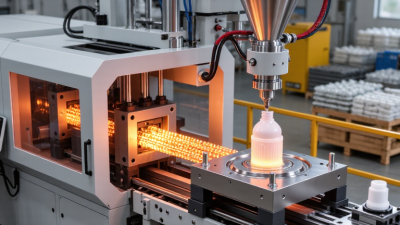
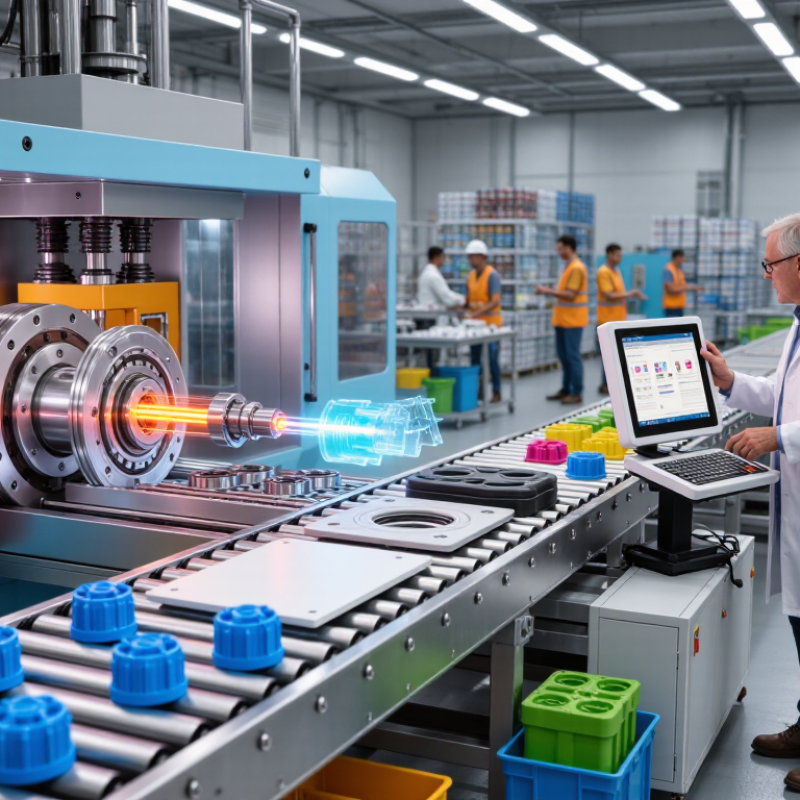
Plastic molding transforms resin pellets into repeatable parts through heat, pressure, and controlled cooling. In injection molding, pellets enter a heated barrel, soften, and are driven through a nozzle into a closed mold. The melt travels through runners and gates, filling details such as ribs, clips, and screw bosses. Cooling locks the shape. Ejector pins release the part. Small details matter. Resin moisture, melt temperature, and mold venting can affect surface finish or create weak spots. Parts may shrink unevenly, so engineers adjust wall thickness and cooling channels before production.
Material choice is only part of the story. The OECD’s 2022 Global Plastics Outlook reports 460 million tonnes of plastic use in 2019. It also found that only 9% of plastic waste was recycled. That scale makes scrap control and material selection practical design concerns, not footnotes. Regrind can reduce waste in some applications, but repeated heat may alter performance, and some specifications do not permit it. A good mold balances filling speed, cooling time, strength, and ejection. I may be giving cycle time too much weight here; a part that molds quickly can still warp, fail, or waste material in service.
Design Flexibility Across Different Molding Methods
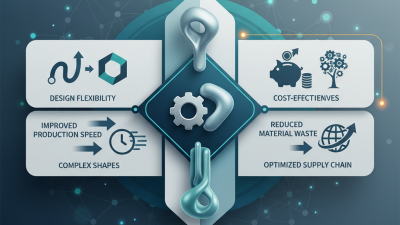
Plastic molding offers designers more than a way to reproduce a shape. Different molding methods support different forms, details, and production needs. Injection molding can create features such as ribs, clips, and textured surfaces in one part. A slight draft angle often helps the part release cleanly from the mold.
Other methods open different design paths. Blow molding forms hollow parts, such as bottles or ducts, around an internal air space. Thermoforming shapes heated plastic over a mold, making it useful for broad, shallow forms like trays and panels. Compression molding can suit larger, thicker parts, though detail and finish depend on the material and tooling. Small details matter.
The method affects more than appearance. Wall thickness, corners, and undercuts can influence cooling, material flow, cycle time, and tooling cost. A sharp corner may look precise on a screen, but it can create stress or uneven cooling in production. There is a catch: a design that works well for one process may need substantial changes for another. Early conversations between designers and mold makers can reveal those limits before a detailed model is fixed. Even then, some choices are compromises; the lightest part is not always the easiest to mold reliably.
Cost and Production Advantages of Molded Plastic
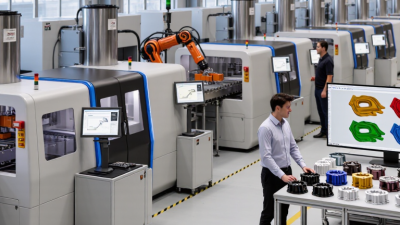
Molded plastic can make each part less expensive when production volumes are high. Once a mold is built, machines can produce many matching pieces with limited manual handling. A short, repeatable cycle also helps manufacturers plan output and labor more accurately. That consistency matters when parts must fit together across an assembly line.
The savings depend on the design. A well-planned part may combine several functions, reducing separate components, fasteners, and assembly steps. Ribs can add stiffness without making a wall unnecessarily thick, while rounded corners help plastic flow through the mold. Small details matter. Poorly placed gates or uneven wall thickness can cause visible marks, warping, or longer cooling times. Fixing these issues after tooling is made can be costly.
Molding is not always the cheapest choice. The mold requires an upfront investment, so a small production run may not justify it. Design changes can also mean reworking the tool, and material selection affects both price and performance. Scrapped parts may sometimes be reground, but recycled material can alter appearance or strength, depending on the resin and process. A careful cost estimate should include tooling, cycle time, inspection, and expected production volume—not just the price of plastic.
Common Uses of Molded Plastic Products
Why Is Plastic Used for Molding?
Common Uses of Molded Plastic Products
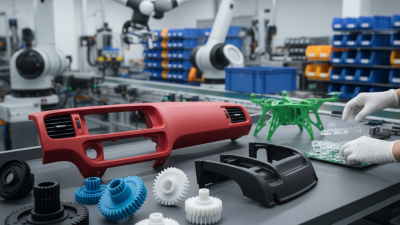
Molded plastic products are part of everyday spaces: food containers, electrical housings, vehicle interiors, and pipe fittings. Molding can form thin walls, clips, ribs, and curved surfaces in one component. That can reduce assembly steps and keep products lightweight. A small snap-fit lid is a familiar example. But plastic is not automatically the best choice; heat, wear, and repair needs matter.
The uses span several industries. PlasticsEurope’s Plastics – the Fast Facts 2024 reports that packaging represented 39% of European plastics demand in 2022, while building and construction accounted for 23.4%. These figures cover plastics broadly, not molded products alone, but they show where many molded items are used. In packaging, molded tubs and caps protect goods and stack neatly. In construction, fittings and panels can resist moisture. Automotive and electrical applications use molded housings, clips, and trim for precise shapes and insulation.
Tips: Match the material to its job. Check temperature, impact, cleaning, and expected service life before choosing a design. A thin wall saves material, sometimes, but may warp or feel flimsy. Test real parts under real conditions.
| Why Is Plastic Used for Molding? – Common Uses of Molded Plastic Products |
| Product or Application |
Common Plastic |
Typical Molding Process |
Why Plastic Is Used |
| Food storage containers |
Polypropylene (PP) |
Injection molding |
PP is lightweight, resistant to many chemicals, and suitable for making durable containers with integrated features such as lids and hinges. |
| Beverage bottles |
Polyethylene terephthalate (PET) |
Injection stretch blow molding |
PET can be formed into clear, lightweight bottles and provides useful resistance to impact and carbon dioxide loss. |
| Medical syringes |
Polypropylene (PP) |
Injection molding |
PP is lightweight, can be molded into precise shapes, and is compatible with many sterilization methods used for medical products. |
| Electrical equipment housings |
Acrylonitrile butadiene styrene (ABS) or polycarbonate (PC) |
Injection molding |
These plastics can produce detailed, rigid housings. ABS is valued for impact resistance, while PC is often selected when greater impact strength or transparency is needed. |
| Automotive interior trim |
Polypropylene (PP) or ABS |
Injection molding |
Low weight helps reduce vehicle mass, and molding can create complex shapes with consistent surface details in high production volumes. |
| Plastic furniture, such as chairs |
Polypropylene (PP) |
Injection molding |
PP is lightweight and durable, and large molded parts can be made in complex shapes with fewer separate components. |
| Bottle caps and closures |
High-density polyethylene (HDPE) or polypropylene (PP) |
Injection molding or compression molding |
These plastics are lightweight and moldable, allowing manufacturers to form features such as threads and sealing surfaces. |
| Toys and household components |
ABS or polypropylene (PP) |
Injection molding |
Injection molding can produce repeatable shapes and fine details efficiently, while material choice can balance toughness, weight, and cost. |
Plastic molding enables repeatable production of lightweight, detailed parts; the most suitable resin and process depend on the product’s required properties and intended use.