

BLOG

What Is a Fire Box and How Does It Work

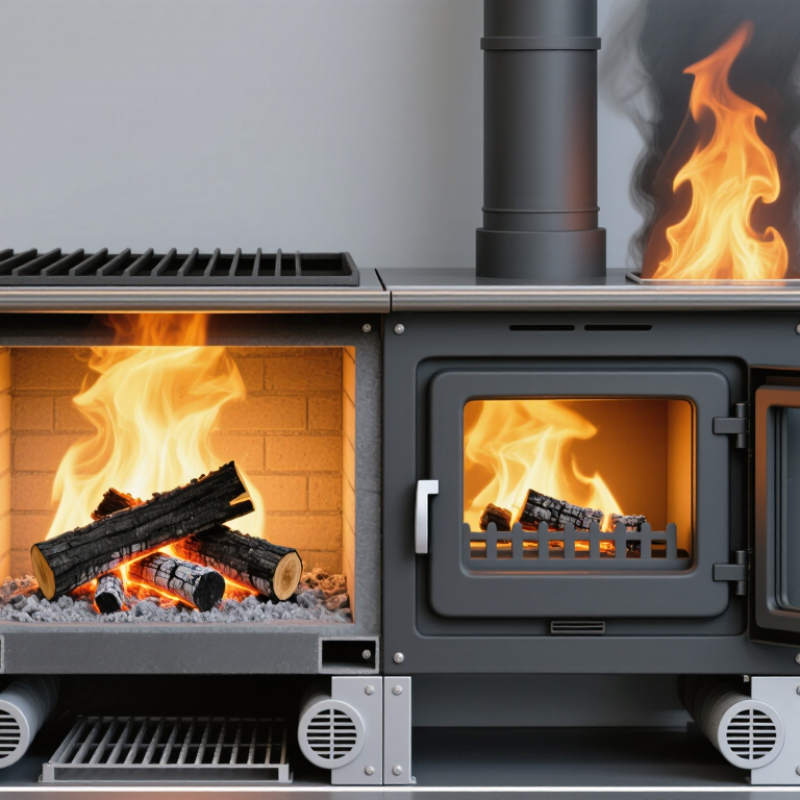
A Fire Box, often called a firebox, is the enclosed space where fuel burns inside a stove, fireplace, or furnace. Its walls contain the flame and intense heat, while its opening or door helps regulate airflow. In many appliances, air enters through designed vents and supports combustion. Heat warms the firebox walls, then travels into a room or heating system. Simple idea. Yet details vary.

The firebox also shapes airflow. A chimney or flue carries combustion gases upward, and a steady draft helps supply oxygen to the flame. Too little air can produce more smoke and incomplete burning; excessive airflow may send useful heat up the flue. Door seals, baffles, lining, and clear passages can all affect performance, depending on the appliance. A dull orange glow on the walls may be normal for some units, but visible damage or unusual smoke deserves attention. Not guesswork.

Understanding how a Fire Box works makes everyday checks more meaningful. Follow the appliance maker’s instructions, use only approved fuel, and keep required vents unobstructed. A qualified technician can assess cracks, loose panels, or draft problems that are hard to judge by sight. Even careful owners can miss a small fault. That matters. A firebox is not just a hot cavity; it is part of a system that manages heat, air, and exhaust.
What Is a Fire Box and How Does It Work

What a Fire Box Is and Where It Is Located

A firebox is the chamber inside a fireplace where wood or another approved fuel burns. It is usually visible through the fireplace opening. Put simply, it is the fire’s home. Its walls contain heat and help direct smoke toward the flue, the passage leading into the chimney. In many masonry fireplaces, the firebox is built from firebrick and mortar. Some manufactured fireplaces use a metal firebox with a specific lining. The design varies, so not every firebox looks alike.

Look just inside the fireplace opening, above the hearth and below the damper. That is where the firebox is located. The hearth is the floor in front of it; the firebox floor sits farther back, beneath the flame. The back and side walls form its boundaries. Above them, the damper and smoke chamber connect the firebox to the chimney or vent. Location matters. A crack in a firebox wall, loose mortar, or a shifted lining can affect how safely it contains heat. Small damage may be easy to overlook. Still, appearance alone cannot confirm that a firebox is sound; a qualified fireplace professional can assess hidden wear and the vent connection.

What Is a Firebox and Where Is It Located?

In a typical steam locomotive, the firebox is at the rear of the boiler, next to the cab. It contains the fuel and combustion area; hot gases then pass through the boiler toward the smokebox at the front. The equal-sized sections show order only and are not to scale.

The Main Parts of a Fire Box

What Is a Fire Box and How Does It Work

The firebox is the chamber where wood burns, but its parts do more than contain flames. Its floor supports the fuel and collects ash. The side and back walls face intense heat, so they are commonly made from firebrick or another heat-resistant material. These surfaces protect the surrounding structure and help direct warmth into the room. That matters.

The opening frames the fire and allows air to reach it. Above the opening, a lintel supports the masonry. Higher up, the throat narrows the passage toward the flue. A damper sits near this area and can regulate airflow when the fireplace is in use. When it is closed after the fireplace cools, it can limit drafts. The smoke shelf behind the throat helps catch debris and can redirect downdrafts. Heat needs space.

Together, these parts guide smoke upward while the fire burns. A damaged lining or stuck damper can interfere with that path, even when the fireplace looks tidy. Small cracks deserve attention; they are easy to dismiss until they grow. Before lighting a fire, check that the damper opens fully and that the chamber is clear of loose debris. An experienced chimney professional can assess damage that is difficult to see from the room.

What Is a Fire Box and How Does It Work - The Main Parts of a Fire Box

Part or Feature What It Is How It Works Common Materials or Details
Firebox The chamber where fuel burns in a traditional masonry fireplace. Contains the fire and directs heat and combustion gases toward the chimney. Usually built from firebrick and refractory mortar, which are designed to withstand high temperatures.
Firebox floor The bottom surface of the chamber that supports the fire and collects ash. Provides a stable, heat-resistant base for logs or other permitted fuel. Often made of firebrick or another suitable masonry material.
Back wall The rear wall behind the fire. Helps contain the fire and reflects some radiant heat into the room. Firebrick is commonly used; the surface should be checked for loose or damaged sections.
Side walls The walls on either side of the fire. Contain the flames and help guide hot gases upward toward the throat. Typically constructed from firebrick or other heat-resistant masonry.
Lintel A horizontal structural member above the fireplace opening. Supports masonry above the opening; it is not intended to control smoke flow. May be made of steel or masonry, depending on the fireplace design.
Throat The narrowing passage between the firebox and the smoke chamber. Channels smoke and hot gases upward and helps the fireplace draft when properly designed. Its shape and size are built into the fireplace structure and vary by design.
Damper A movable plate or valve, commonly located near the throat. When open, it allows smoke to enter the chimney. When the fireplace is not in use and the fire is fully out, closing it can reduce indoor heat loss. Often made of metal. It must be open before lighting a fire.
Smoke shelf A ledge behind the damper in many traditional fireplaces. Helps limit downdrafts and can catch debris that falls down the chimney. Usually formed from masonry as part of the fireplace structure.
Smoke chamber The transition space above the throat and below the flue. Collects and guides smoke toward the narrower chimney flue. Often built with sloped masonry surfaces; damaged or rough surfaces can affect performance.
Chimney flue The passage that carries smoke and combustion gases outdoors. Its upward draft draws smoke out of the firebox and helps supply air to the fire. May be lined with clay tile, masonry, or a suitable metal liner, depending on the chimney.
Hearth and hearth extension The noncombustible floor area inside and in front of the fireplace opening. Supports the fireplace area and helps protect nearby flooring from heat and stray embers. Common finishes include brick, stone, and concrete. Required dimensions depend on the fireplace and local building rules.
Basic operating sequence The path followed by air, fire, and exhaust during use. Room air supports combustion; smoke rises through the throat and smoke chamber, then exits through the chimney flue. The damper should remain open while a fire is burning. Use only fuel approved for the fireplace, keep the chimney maintained, and follow local fire-safety guidance.

How Fuel Burns Inside the Fire Box

Inside a fire box, fuel does not simply catch fire all at once. Heat first drives moisture from the wood, then breaks down the material and releases combustible gases. Those gases mix with oxygen and burn above the fuel, creating much of the visible flame. The remaining charcoal burns more slowly, glowing orange and releasing additional heat.

Airflow controls this process. Air entering near the fuel supports the initial burn, while some fire boxes direct warmed air toward rising smoke. This can help burn more gases before they leave through the flue. A steady draft carries exhaust upward; weak airflow may leave the fire smoky, while excessive airflow can make fuel burn too quickly. Small details matter.

A bright flame is not always proof of efficient burning. Damp wood, blocked air passages, or a cold flue can produce more smoke and uneven heat. It is tempting to think that adding more fuel solves a fading fire, but it may instead restrict airflow. I would check the fuel and air supply first. Even then, fire boxes differ, so operating guidance for the specific appliance matters. A clean, hot burn usually has lively flames and less persistent smoke from the chimney, though conditions and fuel can change what you see.

How the Fire Box Directs Heat and Smoke

A firebox is the enclosed space where wood burns and heat begins to move through a stove or fireplace. Its walls contain the flame and absorb some of its heat. Air enters through vents, helping fuel burn and carrying hot gases toward the outlet. That movement shapes how heat and smoke travel. The exact route varies by design. Small details matter.

In many appliances, a baffle or shaped passage sits above the fire. It guides hot gases along a longer path before they reach the flue. This gives heat more time to warm the appliance and surrounding room, while smoke continues upward. A well-directed flow can support cleaner burning, but only when the fire has enough air and the flue draws properly. The parts work together.

You can often see the process in the flame. A steady, lively flame and smoke rising smoothly suggest active combustion and a clear route out. Thick smoke spilling into the room signals a problem, such as a cold flue, restricted airflow, or damp fuel. I used to think smoke simply escaped wherever it could. That misses the design. Still, no firebox can overcome poor maintenance or unsuitable fuel, so follow the appliance instructions and arrange regular inspection.

Common Fire Box Types and Their Uses

A firebox is the chamber where fuel burns and heat begins. Its design affects how heat reaches a room, how the fire is controlled, and what fuel it can use. Common types include open masonry fireplaces, enclosed wood-stove fireboxes, factory-built fireplace units, and gas fireboxes. Each serves a different space and heating need.

Open masonry fireboxes suit occasional fires and a visible flame, but much of their heat can travel up the chimney. Enclosed wood-stove fireboxes use a door and controlled air inlets to manage combustion; they work better for steady room heating. Factory-built units fit homes without traditional masonry fireplaces, while sealed gas fireboxes offer adjustable heat without storing wood. Outdoor fireboxes are designed for patios, where airflow and clearance matter. The trade-off is real. A lively flame does not always mean efficient heating.

Fuel and installation deserve equal attention. The U.S. Environmental Protection Agency’s 2020 Step 2 standard sets a 2.0-gram-per-hour particulate limit for many new wood heaters tested with crib wood. The National Fire Protection Association’s Home Heating Fires report found an average of 48,530 U.S. home structure fires involving heating equipment each year from 2014 to 2018. Those figures are a reminder to match the firebox to its intended fuel, follow the manufacturer’s installation guidance, and keep the chimney or vent maintained. A quick visual check is not enough.

Article Source:

Go to Top
