

BLOG

How to Use US DDP Ocean Trucking for Global Buyers?

Global buyers often want one clear answer: how can cargo move from an overseas supplier to a US warehouse without constant coordination? US DDP Ocean Trucking can provide that structure by combining ocean freight, import handling, duty payment, and inland trucking. The process usually begins with accurate commercial invoices, packing lists, product descriptions, and delivery details. Small errors matter. A missing unit count can delay an entire container.

This guide explains how the service works in practical terms. It follows the commercial logic of DDP under Incoterms® 2020, while recognizing that actual procedures depend on the carrier, customs broker, cargo type, and delivery address. Experienced logistics teams normally confirm importer responsibilities, tariff classification, taxes, port charges, and final-mile access before booking. A buyer should also check whether the quotation includes terminal fees, customs clearance, storage, chassis charges, and residential delivery.

Clear communication helps.

For example, a shipment arriving at Long Beach may still need appointment scheduling, container pickup, and a truck route to Dallas. Weather, port congestion, or incomplete documents can change the timeline. Honest planning leaves room for those risks. It also avoids promising a fixed delivery date without evidence.

US DDP Ocean Trucking is not simply an ocean rate. It is a coordinated supply-chain option that requires transparent pricing, compliant cargo, reliable documentation, and qualified partners. This article will help global buyers examine each stage, compare service terms, and ask better questions before committing their goods.
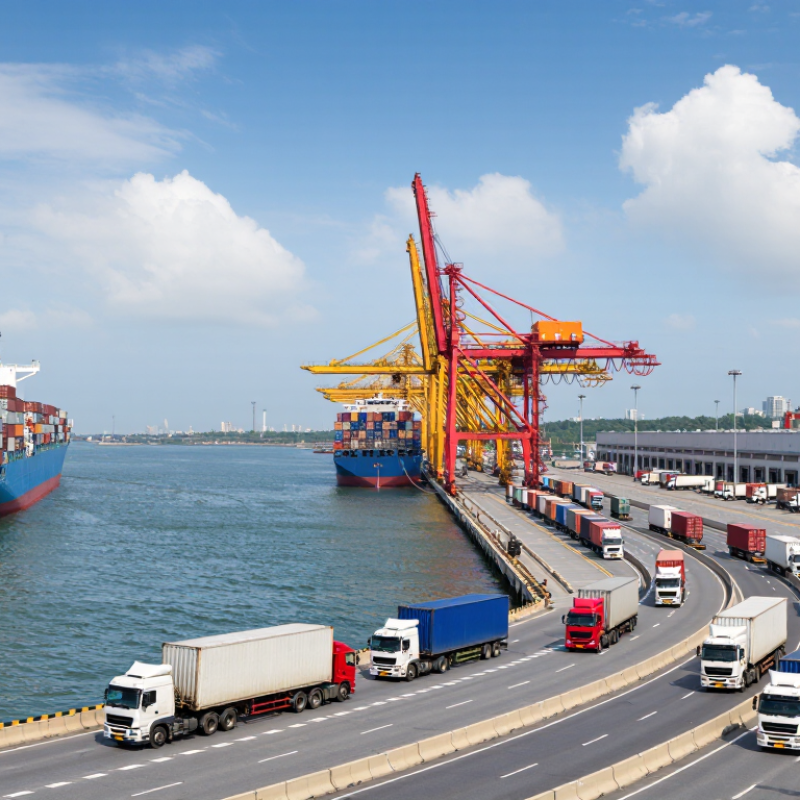
How to Use US DDP Ocean Trucking for Global Buyers?

What US DDP Ocean Trucking Means for Global Buyers

What US DDP ocean trucking means for global buyers is simple in theory: the seller manages transport from origin to the agreed US delivery address.

This usually includes ocean freight, import customs clearance, duties, taxes, port handling, and inland trucking.

The shipment may move from a vessel to a terminal, then onto a truck bound for a warehouse or job site. The final delivery point matters.

Read the delivery term carefully. DDP is not just “shipping included.” Under Incoterms rules, the seller carries most transport costs and import responsibilities up to the named destination.

However, US tax treatment, importer-of-record requirements, and state regulations can complicate the arrangement. A seller must have a lawful way to manage customs entry and related payments. Buyers should confirm who provides the importer details, bonds, permits, and product documents.

Ask for a written cost breakdown.

It should identify ocean charges, customs duties, terminal fees, chassis fees, storage, demurrage, and final-mile trucking. A truck may also need a delivery appointment, liftgate, or special access clearance.

Small details become expensive quickly. The quote can look complete but still exclude storage after a missed appointment. That is a common weakness.

Buyers should verify cargo descriptions, declared values, delivery addresses, and receiving hours before loading.

Accurate information reduces delays and compliance problems.

DDP offers convenience, but it reduces visibility when responsibilities are vague. The arrangement is useful, not effortless.

How to Prepare Goods and Documents for DDP Ocean Shipping

How to Use US DDP Ocean Trucking for Global Buyers?

Preparing goods and documents carefully is the foundation of successful DDP ocean shipping. Start with strong export packaging. Use moisture barriers, corner protection, and pallets suitable for container handling. Each carton should show the product description, quantity, country of origin, and handling marks. Labels must match the commercial invoice and packing list exactly. Small mismatches can create large delays.

Prepare a commercial invoice with the seller, buyer, consignee, HS code, unit value, total value, currency, and delivery terms. The packing list should show carton numbers, dimensions, net weight, and gross weight. Provide the bill of lading instructions before the carrier’s deadline. For United States ocean shipments, confirm that the required security filing is submitted on time through the responsible customs party. A licensed customs professional can help review classification, valuation, and duty treatment.

DDP normally places import clearance, duties, taxes, and final delivery responsibility on the seller. Confirm the delivery address, unloading conditions, and truck appointment requirements before loading. Some locations have limited access or special receiving hours. Check these details early.

Do not treat documents as an afterthought. I have seen a correct shipment delayed because one carton count differed by one unit. That mistake was simple, but expensive. Product-specific permits or extra records may also apply. Verify current United States requirements before booking. Even experienced shippers should review the file twice.

How the Ocean Freight and Customs Process Works

DDP ocean trucking connects overseas suppliers with buyers through one managed delivery chain. The seller arranges export handling, ocean transport, import clearance, duties, taxes, and final trucking. The buyer usually receives the cargo at the agreed destination.

The process begins with accurate shipment data. The commercial invoice should show the real transaction value and currency. The packing list must match carton counts, weights, and measurements. The bill of lading identifies the vessel, consignee, and delivery details. Correct product classification and origin information also matter. Small errors can create large delays.

At the origin port, the cargo is booked, packed, and exported. After the ocean voyage, the carrier transfers it to the destination port. Customs authorities then review the documents and cargo details. Under DDP terms, the seller or appointed party normally handles import entry and pays assessed charges. Clearance may require additional information. It depends on the product and shipment profile.

After release, a trucker collects the container or cargo from the port. The shipment may move through a warehouse before final delivery. Port congestion, inspection, chassis shortages, or appointment changes can affect timing. This part is often underestimated. Reliable planning includes buffer days and confirmed delivery instructions. I would also verify who carries responsibility for unloading, storage, and unexpected customs costs. DDP sounds simple, but unclear terms can make it less predictable.

How to Use US DDP Ocean Trucking for Global Buyers? - How the Ocean Freight and Customs Process Works

A practical process map for shipments delivered under Delivered Duty Paid (DDP) terms to a named destination in the United States.

Process Stage What Happens Typical Documents or Data Typical Timing Primary Cost Responsibility Under DDP Key Control Point for the Buyer
1. Quotation and DDP Scope The seller or logistics provider confirms the named delivery place, cargo details, routing, included services, duties, taxes, and exclusions. Product description, quantity, cargo value, carton dimensions, gross weight, HS code, origin, delivery ZIP code, and required delivery date. 1–3 business days for a complete quotation Seller typically prices the international transport, import clearance, duties, taxes, and inland delivery. Verify whether the quote includes customs entry, merchandise processing fees, exams, storage, demurrage, detention, and final unloading.
2. Export Preparation The cargo is packed, labeled, consolidated, and delivered to the origin terminal or container freight station. Commercial invoice, packing list, purchase order, export filing information where required, and transport instructions. 2–7 business days, depending on cargo readiness Seller normally bears origin handling and export-related costs. Ensure the invoice description is specific enough for classification, such as material, intended use, quantity, and unit value.
3. Ocean Booking and Container Loading The shipment is booked as a full container load or less-than-container load. Cargo is loaded and the transport document is issued. Booking confirmation, verified gross mass for a packed container, bill of lading instructions, seal number, and container number. 3–10 business days before vessel departure Seller normally covers booking, origin terminal handling, and ocean freight under the agreed DDP quotation. Check that the bill of lading consignee and notify-party details support timely US customs processing.
4. Ocean Transit The container moves from the export port to a US port. Transit time depends on origin, destination, routing, transshipment, weather, and congestion. Bill of lading, arrival notices, container tracking data, and revised estimated arrival date. Approximately 14–45 days port-to-port; actual schedules vary Seller normally bears the contracted ocean freight and transit risk until delivery under DDP. Allow schedule contingency for blank sailings, port congestion, inspections, and adverse weather.
5. US Import Data Review Import information is checked before arrival so the entry can be filed with the required tariff classification, value, origin, and admissibility details. Commercial invoice, packing list, bill of lading, HTS classification, country of origin, manufacturer information where required, and permits or agency data when applicable. Ideally 3–10 business days before arrival Seller or its appointed customs representative generally arranges and prices the import-entry service. Review the proposed HTS classification and declared value; incorrect data can cause delays, additional duty, penalties, or post-entry corrections.
6. Customs Entry and Duty Payment The importer of record or authorized customs representative submits the entry. US Customs and Border Protection may release the cargo, request documents, or select it for examination. Customs entry data, customs bond information, power of attorney, duty calculation, import permits, and government-agency filings when applicable. Same day to several business days after complete filing; examinations can take longer Under DDP, the seller is contractually responsible for import clearance and payment of applicable duties and taxes, subject to the contract and law. Confirm who is legally acting as importer of record and who retains records required for US customs compliance.
7. Port Release and Drayage After customs and carrier release, the container is collected from the port and moved by truck to a warehouse, transload facility, or final delivery area. Terminal release, delivery order, appointment details, container and seal information, and proof of delivery instructions. 1–7 business days after release, subject to appointment and equipment availability Seller normally pays destination terminal handling, port drayage, and included inland transportation. Confirm free-time limits. Demurrage applies while a container remains at the terminal; detention generally applies when equipment is kept outside the terminal beyond the allowed period.
8. Final Truck Delivery The shipment is delivered to the named US destination. DDP delivery is generally complete when the goods are placed at the buyer’s disposal, ready for unloading, unless the contract states otherwise. Delivery appointment, delivery receipt, proof of delivery, unloading instructions, and receiving-hour requirements. 1–5 business days after the container reaches the local delivery area Seller bears transport costs and risk to the agreed named place; unloading is normally the buyer’s responsibility unless included by agreement. Specify dock, liftgate, inside delivery, residential delivery, appointment, palletizing, and unloading requirements in writing.
9. Post-Entry Recordkeeping Shipment records are retained and any customs corrections, duty refunds, claims, or audit requests are handled after delivery. Entry summary, duty payment record, invoice, packing list, transport documents, proof of delivery, and correspondence. After delivery; retention periods depend on the applicable US regulations and party’s role The party responsible for the import entry generally manages post-entry compliance; the DDP contract should allocate cooperation duties. Keep commercial and shipping records organized and report shortages, damage, or incorrect documents promptly.

Planning note: Timing, duty rates, taxes, customs procedures, and delivery charges vary by commodity, origin, US port, destination, season, shipment volume, and regulatory requirements. DDP does not automatically include unloading or costs caused by inaccurate cargo information, storage, demurrage, detention, customs examinations, or special delivery services unless expressly stated in the sales contract.

How Final Truck Delivery Reaches the Buyer’s Address

How to Use US DDP Ocean Trucking for Global Buyers?

How Final Truck Delivery Reaches the Buyer’s Address

DDP ocean trucking does not end at the port. The shipment continues through import clearance, duty payment, warehouse handling, and final truck delivery. Under DDP terms, the seller generally manages these responsibilities until the agreed destination. The buyer should still confirm unloading access, delivery hours, and local contact details. A correct street address is not enough.

The World Bank’s 2023 Logistics Performance Index surveyed 4,090 logistics professionals across 139 economies. It highlights customs, tracking, and delivery timeliness as major logistics factors. These factors matter during the final truck leg. After customs release, the carrier normally schedules an appointment, checks the delivery location, and transports the container or loose cargo to the buyer’s address. Narrow roads, limited docks, or missing unloading equipment can cause delays. The last mile still feels simple. It is not. A small address error can undo a well-planned ocean move.

Tips: Share a complete address, postal code, contact number, receiving hours, and unloading instructions before departure. Request milestone updates for arrival, customs release, appointment booking, and proof of delivery. UNCTAD reports that over 80% of global merchandise trade by volume moves by sea, but ocean transport is only one part of the journey. DDP planning should include the quiet details. Delivery windows can change, and assumptions sometimes fail. Reflect on the local handoff, not only the vessel schedule.

How to Control Costs, Risks, and Delivery Expectations

How to Use US DDP Ocean Trucking for Global Buyers?

How to Control Costs, Risks, and Delivery Expectations

DDP ocean trucking can simplify delivery for overseas buyers entering the US market. The seller usually arranges ocean transport, customs clearance, duties, and inland trucking. That convenience has a price. Ask for a complete quotation, not only the ocean freight rate. It should show terminal charges, customs fees, duty estimates, trucking, storage, and possible delivery surcharges. A low headline rate can hide expensive handling costs.

Control begins with accurate cargo information. Confirm the product description, value, carton count, dimensions, weight, and delivery address. One incorrect detail can delay clearance or create unexpected charges. Delivery to a warehouse differs from delivery to a residential address. So does delivery to a site without a loading dock. Request written terms for demurrage, detention, storage, inspections, and failed delivery attempts. These small clauses matter.

Risk also depends on importer responsibilities. DDP arrangements may involve tax, customs, and state-level requirements in the United States. Buyers should confirm the importer-of-record structure with a qualified customs professional. Do not assume every seller can manage this correctly. It is worth checking insurance coverage, shipment tracking, and the process for damaged cartons. Delivery promises should include realistic ranges, not perfect dates. Port congestion, weather, and trucking shortages can still interfere. A useful improvement is a weekly milestone update, although updates alone cannot repair poor planning.

Go to Top
