

BLOG

Top 10 UPVC Ball Valve Types for Global Buyers

Choosing the right Upvc Ball Valve can affect leak prevention, installation speed, and long-term operating costs. Global buyers often compare price first, but material quality and application fit deserve equal attention. A valve used for clean water may not suit corrosive chemicals, abrasive fluids, or outdoor systems. Small details matter.

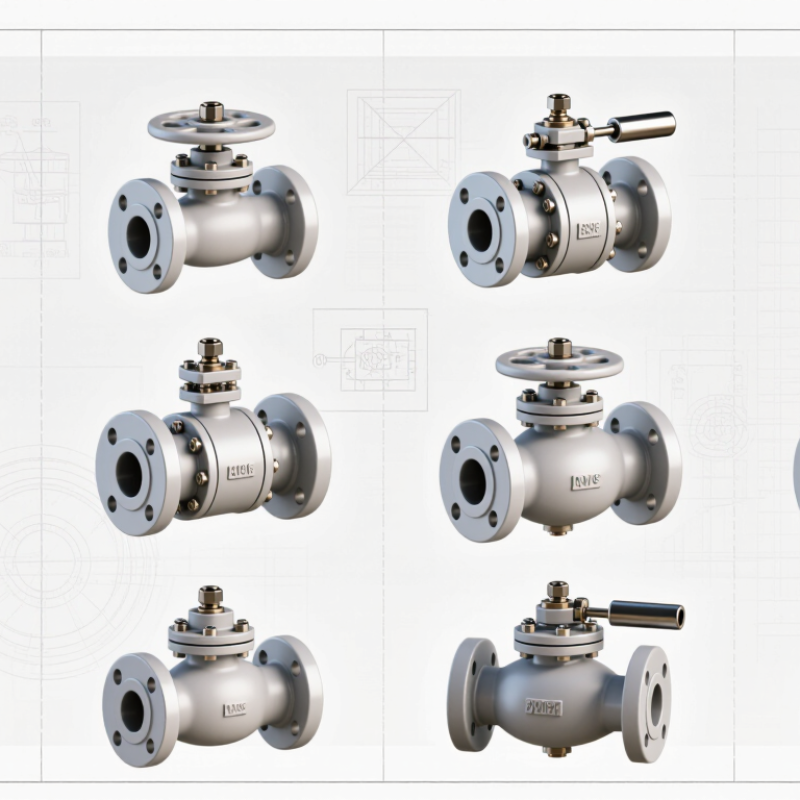
This guide introduces ten practical UPVC ball valve types for international purchasing decisions. It examines compact, true-union, threaded, flanged, wafer, pneumatic, and electrically actuated designs. Each type serves a different installation or control requirement. True-union models, for example, allow easier removal beside a crowded pump. Flanged valves can simplify larger pipeline connections. Actuated versions support remote operation where manual access is difficult.

Selection should consider pressure rating, temperature range, port design, seal material, connection standard, and maintenance access. EPDM and FKM seals may perform differently in real service. Thread standards can also create costly compatibility problems. Buyers should verify drawings, test reports, batch traceability, and applicable standards before approval. Supplier experience matters here.

No ranking fits every plant. That is worth remembering. A lower-cost valve may become expensive after repeated replacement. Conversely, a premium design can be unnecessary for a simple irrigation line. The recommendations in this article combine practical installation experience, technical comparison, and common procurement concerns. Some conclusions may change with local standards, fluid chemistry, or site conditions. Careful review remains essential.
Top 10 UPVC Ball Valve Types for Global Buyers

UPVC Ball Valves: Definition, Structure, and Core Material Properties

UPVC ball valves are quarter-turn devices that control water, chemicals, and other compatible fluids. A drilled spherical ball rotates inside the valve body. The open bore allows flow. A 90-degree turn stops it. Common configurations include threaded, socket, flanged, compact, and true-union types. Each design suits different installation and maintenance conditions.

The structure usually includes a UPVC body, ball, stem, seats, and sealing rings. UPVC means unplasticized polyvinyl chloride, a rigid material without added plasticizers. It offers low density, strong electrical insulation, and useful resistance to corrosion. ASTM D1784 classifies rigid PVC compounds by mechanical and thermal performance. Buyers should request the compound classification, not just “industrial grade.” PlasticsEurope’s Plastics—The Fast Facts 2023 reports that PVC represented roughly one-tenth of European plastics demand in 2022. That scale supports mature processing, but it does not guarantee every valve performs equally.

Tip: Match pressure, temperature, media, and connection standards before purchase. ISO 16135 provides requirements for thermoplastic ball valves. Check seat material carefully. EPDM may suit water, while some oils require another elastomer. Pressure ratings can fall sharply as temperature rises. I have seen catalog ratings misunderstood this way. It is an easy mistake. A transparent datasheet should show flow direction, torque, dimensional standards, and test method. Buyers should also inspect the stem design, because a strong body cannot compensate for poor stem sealing.

Top 10 UPVC Ball Valve Types for Global Buyers

UPVC Ball Valves: Definition, Structure, and Core Material Properties

The chart compares typical maximum working-pressure ratings at 20°C for widely used UPVC ball-valve configurations. UPVC offers corrosion resistance, low weight, electrical insulation, and practical chemical-service performance. Actual pressure ratings vary by nominal size, temperature, connection standard, and valve design; always verify the technical datasheet before selection.

How UPVC Ball Valves Operate in Fluid Control Systems

UPVC ball valves control fluid by rotating a drilled ball inside the valve body. A quarter-turn aligns the bore with the pipe. Another quarter-turn blocks the passage. This simple motion gives quick isolation and low operating effort. In field installations, I often see clear flow paths in true-union, threaded, socket-weld, flanged, compact, and actuated designs. Each type suits different access, pressure, and maintenance conditions.

The valve does not regulate flow as precisely as a globe valve. Partial opening may create turbulence and accelerate seat wear. That detail is easy to miss. UN-Water’s 2024 World Water Development Report states that agriculture uses about 70% of global freshwater withdrawals. Reliable isolation therefore matters in irrigation, treatment, and industrial water lines. Grand View Research also identifies water and wastewater as major demand areas within the industrial valve market. However, market reports combine many valve materials, so their figures should not be treated as UPVC-specific evidence.

Tips: Check media temperature, pressure, chemical compatibility, and pipe size before selection. A dry test can mislead. Install the valve without forcing misaligned pipes against its body. Leave space for union nuts and actuator access. For frequent cycling, inspect the seat and stem area periodically. UPVC is corrosion-resistant, but sunlight, impact, and excessive heat still deserve attention.

Top 10 UPVC Ball Valve Types for Global Buyers - How UPVC Ball Valves Operate in Fluid Control Systems

No. UPVC Ball Valve Type Typical Connection How It Operates Typical Applications Flow Path Typical Size Range Typical Pressure Guidance Temperature Guidance
1 One-Piece Ball Valve Socket, threaded, or mixed-end A quarter-turn stem rotates the ball by 90°. The aligned bore allows flow; the solid side of the ball blocks it. Irrigation, water treatment, aquariums, and general utility lines Full or reduced bore Commonly DN15–DN100 Often up to 10–16 bar, size-dependent Usually about 0°C to 60°C
2 Two-Piece Ball Valve Socket, threaded, or flanged The valve body is divided into two sections around the ball and seats. Turning the stem controls an on/off flow path. Industrial water systems, chemical dosing, and process piping Usually full bore Commonly DN15–DN150 Often up to 10–16 bar, depending on size and temperature Usually about 0°C to 60°C
3 Three-Piece Ball Valve Socket, threaded, or flanged The central body can be removed from the end sections, while the stem rotates the ball through a 90° operating cycle. Maintenance-sensitive process lines and corrosive-fluid services Usually full bore Commonly DN15–DN100 Often up to 10–16 bar, subject to design conditions Usually about 0°C to 60°C
4 True-Union Ball Valve Union socket, threaded, or flanged ends The removable union nuts allow the valve body to be disconnected without moving adjacent pipework; the ball still works by quarter-turn rotation. Pools, aquaculture, water treatment, and compact maintenance areas Full or reduced bore Commonly DN15–DN100 Often up to 10–16 bar, depending on model Usually about 0°C to 60°C
5 Compact or Mini Ball Valve Threaded or small socket ends A small handle turns the ball 90° to start or stop flow. Its compact body is intended for low-flow and space-restricted installations. Laboratory equipment, beverage lines, small irrigation systems, and instrument piping Reduced bore is common Commonly DN8–DN25 Often up to 6–10 bar, size-dependent Usually about 0°C to 60°C
6 Flanged-End Ball Valve Flanges drilled to a selected piping standard Bolted flanges secure the valve between pipe flanges. A stem and ball provide quarter-turn isolation. Large-diameter water treatment, filtration, and plant utility systems Usually full bore Commonly DN50–DN300 Often up to 10–16 bar, subject to flange and valve rating Usually about 0°C to 60°C
7 Threaded-End Ball Valve Female or male pipe threads Threaded connections attach directly to compatible fittings; rotating the stem moves the ball between open and closed positions. Small process lines, compressed-air utilities, and retrofit installations Full or reduced bore Commonly DN15–DN100 Often up to 10–16 bar, depending on size and thread design Usually about 0°C to 60°C
8 Socket-Weld Ball Valve Solvent-cement socket ends UPVC pipe is inserted into the socket and joined using a compatible solvent-cement system. The internal ball rotates 90° for isolation. Permanent water, chemical-handling, pool, and irrigation pipework Full or reduced bore Commonly DN15–DN150 Often up to 10–16 bar, depending on diameter and temperature Usually about 0°C to 60°C
9 Electric-Actuated Ball Valve Socket, threaded, flanged, or union ends An electric actuator converts motor rotation into a 90° stem movement. Limit switches or position feedback can indicate open and closed status. Remote water treatment, automated irrigation, dosing, and building services Full or reduced bore Commonly DN15–DN150 Valve-body rating commonly up to 10–16 bar Process fluid often about 0°C to 60°C; actuator limits vary
10 Pneumatic-Actuated Ball Valve Socket, threaded, flanged, or union ends Compressed air drives a quarter-turn rotary actuator. Spring-return designs move to a preset safety position when air pressure is lost. Fast cycling, chemical processing, water treatment, and hazardous-area automation Full or reduced bore Commonly DN15–DN150 Valve-body rating commonly up to 10–16 bar Process fluid often about 0°C to 60°C; actuator limits vary

Selection note: Pressure and temperature values are typical guidance for UPVC/PVC-U ball valves, not universal ratings. Actual limits depend on nominal size, pressure class, valve design, connection standard, chemical compatibility, installation method, and temperature derating. UPVC ball valves are generally intended for clean or chemically compatible fluids and are normally used for isolation rather than precision throttling.

Top 10 UPVC Ball Valve Types and Their Distinctive Features

Top 10 UPVC Ball Valve Types and Their Distinctive Features

UPVC ball valves remain popular for water treatment, irrigation, and chemical piping. A 2024 Grand View Research report valued the global industrial valves market at about USD 78 billion in 2023. Plastic valves serve a smaller segment, but corrosion resistance keeps demand strong. The ten useful types include standard socket, threaded, true union, compact, three-way, flanged, double-union, reduced-port, full-port, and actuated valves. Each design solves a different installation problem.

Standard socket valves support simple solvent-welded pipework. Threaded valves suit removable connections and tight spaces. True-union and double-union models allow easier servicing without cutting pipes. Compact valves save room beneath tanks or cabinets. Three-way valves redirect flow between two lines. Flanged versions handle larger systems and repeated maintenance. Reduced-port valves cost less but create more pressure loss. Full-port valves offer a smoother bore for demanding flow rates. Electric or pneumatic actuated valves support remote control. Manual operation is still more reliable during power interruptions. That detail is easy to overlook.

standard socket threaded true union compact three-way flanged double-union reduced-port full-port actuated valves

Tips: Match the valve with pipe size, pressure, temperature, and fluid chemistry. ASTM D2466 and ISO 16135 provide useful reference points for plastic fittings and industrial valves. A 2023 PlasticsEurope report recorded European PVC production near 5.5 million tonnes, showing the material’s established industrial base. Yet material compatibility tables should guide final selection. I would not choose a threaded valve near heavy vibration without checking joint support. Site experience often exposes this weakness. Test torque, leakage, and union access before commissioning.

How to Match Each UPVC Ball Valve Type with Its Application

Selecting a UPVC ball valve starts with the fluid, not the catalog photo. For clean water, a standard two-piece valve offers simple isolation and easy replacement. A compact valve suits narrow cabinets and short pipe runs. Choose a true-union valve where maintenance space is limited. Its removable body can reduce cutting during service. A single-union design saves cost, but the fixed side needs careful alignment. Small details matter.

For chemical dosing, confirm chemical compatibility, temperature, and concentration with a current resistance chart. A threaded-end valve fits small, rigid lines, while a solvent-socket valve creates a neat joint on compatible UPVC pipe. Use a flanged ball valve on larger systems needing repeated disconnection. A wafer-style option can reduce face-to-face length, but flange alignment must be accurate. Three-way valves match diverting or mixing duties, not simple shutoff. Choose the port pattern deliberately.

Hand-operated valves work well at occasional isolation points. Actuated valves suit frequent cycling, remote control, or timed dosing. Pneumatic actuation needs clean, regulated air. Electric actuation needs suitable enclosure protection. For slurry, abrasive particles can shorten seat life, even when UPVC resists corrosion. I have seen installations fail because pressure ratings were checked without temperature correction. That shortcut is risky. Verify pressure, torque, seal material, pipe support, and local standards before ordering. No selection chart replaces a site check.

Global Buying Factors: Standards, Connections, Quality, and Cost

Top 10 UPVC Ball Valve Types for Global Buyers

Global buyers should match each UPVC ball valve with the project’s working conditions. Check pressure, temperature, fluid type, and installation location. Standards matter because test methods and dimensions can differ between markets. Ask for documented compliance with relevant standards, such as ISO 1452, ASTM specifications, or local plumbing requirements. Do not accept a certificate without checking its scope and validity.

Small details matter.

Connections also affect purchasing decisions. Socket ends suit solvent-welded UPVC pipe systems and create a compact installation. Threaded ends help connect equipment, but mismatched thread profiles may cause leakage.

Flanged valves simplify maintenance on larger pipelines. Confirm nominal size, thread type, flange drilling, and gasket material before ordering. A clear connection drawing prevents expensive site corrections.

Quality inspection should cover body thickness, ball movement, sealing performance, and handle strength. Request pressure-test records, batch identification, and material declarations.

In practical procurement, I have found that smooth handle operation often reveals better assembly control. Still, appearance can mislead. A polished valve may hide weak seals.

Cost comparisons should include freight, adapters, replacement parts, and labor. A cheaper valve can become expensive after repeated leaks.

My earlier purchasing reviews sometimes focused too heavily on unit price. That approach missed downtime and installation risks.

Leave room for independent sampling and field testing.

Good procurement is rarely perfect.

Go to Top
