7 Tips for Choosing an Automatic Zipper Machine
The global zipper industry is becoming more automated, but faster production does not automatically mean better production. Fortune Business Insights’ 2024 Zipper Market report identifies continued growth in apparel, luggage, footwear, and technical textiles. That growth increases pressure on factories to reduce waste, stabilize quality, and shorten delivery times. An automatic zipper machine can support these goals, but only when its design matches the product and factory conditions.
The International Textile Machinery Federation’s 2024 machinery shipment statistics also show a cautious investment environment across textile manufacturing. Equipment buyers are comparing productivity, energy use, maintenance access, and long-term reliability more carefully. A machine producing 100 pieces per minute may sound impressive. However, unstable feeding, uneven tape tension, or frequent operator adjustments can erase that advantage. Small details matter, such as sensor response, cutter alignment, zipper size range, and access to replacement parts.
This guide presents seven practical tips for choosing an automatic zipper machine. It considers machine speed, compatibility, automation level, safety design, maintenance, supplier support, and total ownership cost. ISO 12100 principles are useful when reviewing guarding, emergency stops, and foreseeable operating risks. ISO 9001 certification can also indicate controlled production processes, although certification alone proves little about machine performance.
No checklist is perfect. Factory tests remain essential. Request samples using your actual zipper materials, run extended trials, and record defect rates. Ask technicians how quickly they can clear a jam or replace a worn blade. A polished demonstration may hide inconvenient limitations. Careful questioning often reveals more than a promising brochure.
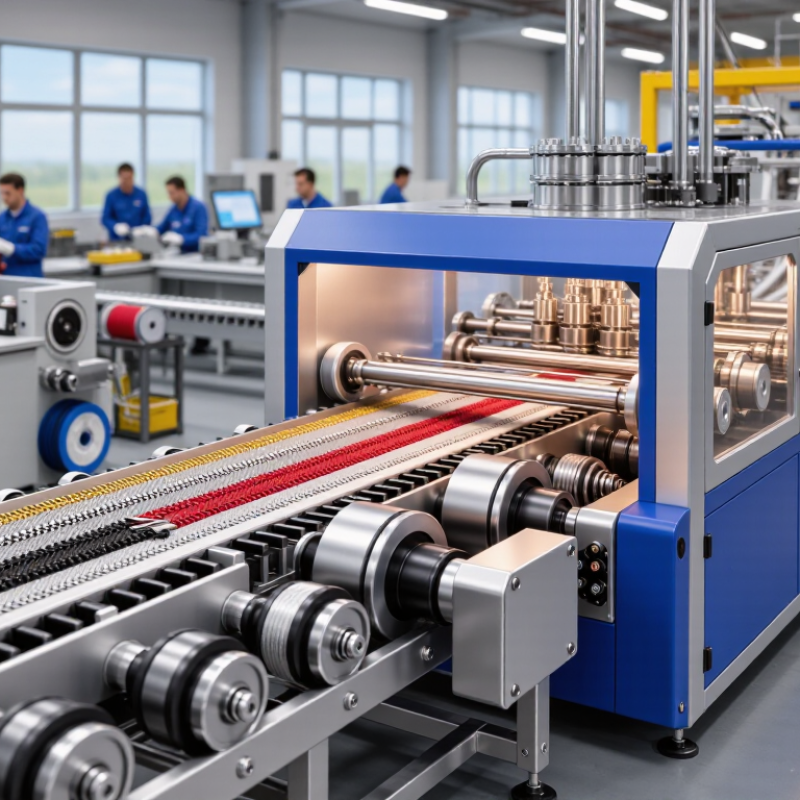
Understanding Automatic Zipper Machine Types and Functions
7 Tips for Choosing an Automatic Zipper Machine
Automatic zipper machines differ by product type and production function. Coil, metal, and molded zippers require different feeding, forming, and cutting systems. Grand View Research’s 2024 market analysis valued the global zipper market at approximately USD 15 billion in 2023. It also projected growth above 7% annually through 2030. That expansion increases pressure to select equipment carefully. Match the machine with your zipper material. Confirm its compatible width range. Check whether it handles continuous rolls or pre-cut pieces.
Review the machine’s core functions before comparing speed claims. Some models assemble sliders, while others cut, weld, sew, or inspect zippers. A complete line may reduce handling between stations. Ask for measured output using your actual tape and teeth. Speed is not everything. Examine tension control, sensor accuracy, changeover time, and reject handling. The International Federation of Robotics reported over 500,000 industrial robots installed worldwide in 2023, showing how strongly automation is entering manufacturing. However, zipper production still depends on precise feeding and alignment.
Choose controls that operators can understand quickly. Record the machine’s energy use, compressed-air demand, and maintenance intervals. Request test samples under normal factory conditions. Inspect the needle area, cutter, guides, and emergency stopping system. These details reveal more than polished demonstrations. A machine with higher capacity may waste material if calibration is difficult. I would also compare one-year operating costs, not only the purchase price. Leave room for human judgment; automatic systems can repeat a mistake perfectly.Test the hard way.
Matching Machine Capacity with Zipper Materials and Product Requirements
7 Tips for Choosing an Automatic Zipper Machine
Machine capacity must match both zipper material and product specifications. Textile Exchange’s 2024 Materials Market Report shows polyester represents about 60% of global fiber production. This matters because polyester coil zippers require different feeding pressure than metal or molded zippers. Check the machine’s rated speed for each material, not only its maximum speed. Ask for trial production using your actual zipper tape, slider, and garment fabric.
Measure the zipper width first. Then inspect the teeth or coil. Select a machine that supports your required size range, cutting length, and tolerance. A narrow apparel zipper may need precise alignment, while luggage products demand stronger pulling and clamping systems. The ITMF International Textile Machinery Shipment Statistics reports continued pressure on textile manufacturers to improve efficiency and control investment costs. Oversizing a machine can waste energy and floor space. Undersizing it creates stoppages.
Review real production capacity. A machine rated for 80 pieces per minute may deliver less after loading, inspection, and adjustment. Leave practical allowance for material variation. Important details include automatic tension control, sensor accuracy, changeover time, and spare-part access. Test recycled polyester tape carefully; its stiffness and surface friction can vary between batches. I have seen impressive trial speeds collapse during an eight-hour shift. That warning is easy to ignore. Ask for recorded output, defect rates, and maintenance intervals before purchasing. Industry reports guide decisions, but your own material test remains more reliable.
Automatic Zipper Machine Capacity by Material and Product Requirement
Typical planning benchmark for finished zipper output, measured in pieces per minute
Nylon coil zippers generally support higher throughput because they are lightweight and flexible. Metal zippers require slower processing to manage teeth alignment, tape stability, and cutting accuracy. Choose a machine with capacity above the target output to allow for changeovers, quality checks, and product variation.
Checking Automation Features, Speed, and Production Accuracy
7 Tips for Choosing an Automatic Zipper Machine
Choosing an automatic zipper machine requires more than checking its advertised speed. Examine how it feeds tape, positions sliders, cuts lengths, and detects defects. A reliable system should offer sensors for missing teeth, incorrect alignment, and material jams. These features reduce manual inspection and protect production accuracy. Ask for test records, not only catalog figures. Run your own zipper tape through the machine, because factory samples may not reflect your materials.
Tip 1: Test automation controls during a realistic production run. Check whether operators can adjust length, tension, and feeding speed without complicated procedures. A clear control panel saves time during size changes. Tip 2: Compare stable output with maximum speed. A machine producing 100 pieces per minute means little if rejects increase after twenty minutes. Watch the first and last pieces from a continuous test.
Accuracy deserves careful attention. Measure finished zipper lengths with a calibrated ruler or digital gauge. Inspect slider placement, cut edges, and stitching alignment under consistent lighting. Even a small deviation can cause problems during garment assembly. I have found that short tests can create false confidence. Longer trials expose heat buildup, feeding slips, and occasional sensor errors. That result may feel disappointing, but it provides better evidence.
Tip 3: Request maintenance details and spare sensor information before purchasing. Ask how quickly settings can be restored after a fault. Also check noise, cleaning access, and operator safety controls. A fast machine is useful only when its accuracy remains dependable throughout the shift.
Comparing Costs, Technical Support, and Long-Term Value
Choosing an automatic zipper machine requires more than comparing purchase prices. Build a three-year cost model covering tooling, electricity, spare parts, training, and planned downtime. A cheaper machine may become expensive when operators spend hours correcting zipper alignment. In my experience, a stable feeding system often matters more than a higher advertised speed.
Technical support deserves equal attention. Ask how quickly engineers respond, whether remote diagnostics are available, and which components are stocked locally. Request service records, not promises. Deloitte’s 2024 Smart Manufacturing survey found that 86% of manufacturing leaders expect smart manufacturing to become a major competitiveness driver within five years. That expectation depends on usable data, trained staff, and reliable support. A machine with sensors is not automatically intelligent.
Long-term value also depends on changeover performance. Measure the minutes needed to switch zipper sizes, adjust tension, and clear a jam. PMMI’s 2023 report on automation trends identifies labor availability and operational efficiency as major investment drivers in packaging. Those pressures are visible on a busy production floor. Still, automation is not always the best answer for low-volume work. I may be wrong when assuming maximum speed creates maximum value. Calculate actual output, reject rates, maintenance hours, and service costs. Then compare proposals using the same assumptions, warranty terms, and expected production schedule.