Effective Ways to Reduce Plastic Waste in Your Business Operations
The increasing concern over environmental sustainability has propelled businesses to reevaluate their operational practices, particularly concerning plastic waste. According to a recent report by Plastic Inc, an organization dedicated to addressing plastic pollution, approximately 300 million tons of plastic are produced globally each year, with a significant portion ending up in our oceans and landfills. This statistic starkly highlights the urgent need for companies to adopt effective strategies to mitigate plastic waste.
Implementing sustainable practices not only benefits the environment but also enhances a business's reputation and can lead to substantial cost savings. A study from the Ellen MacArthur Foundation revealed that businesses that take proactive steps to reduce plastic usage can save up to $90 billion annually by 2030. This demonstrates that tackling plastic waste is not merely an environmental imperative but a smart business strategy. By prioritizing recycling, opting for biodegradable materials, and rethinking packaging solutions, companies can play a pivotal role in fostering a circular economy while contributing to a cleaner and healthier planet.

Understanding the Impact of Plastic Waste on Business Operations
Plastic waste has become a pressing issue for businesses worldwide, with significant implications for operational efficiency and brand reputation. According to a report by the World Economic Forum, plastic pollution costs the global economy around $13 billion annually in environmental damage and lost economic output. Businesses dealing with plastic waste face not only financial repercussions but also reputational risks, as consumers increasingly prefer to engage with companies that prioritize sustainability. This shift is highlighted by a Nielsen survey, which found that more than 66% of consumers are willing to pay more for products from sustainable brands.
Moreover, the impact of plastic waste extends to regulatory pressures that organizations must navigate. In response to growing environmental concerns, many governments are implementing stricter regulations regarding plastic use and waste management. A study from the Ellen MacArthur Foundation reveals that the plastics sector could save $200 billion annually by transitioning to a circular economy, focusing on reusability and recycling. Businesses that proactively address their plastic waste not only mitigate risks associated with compliance and brand perception but also unlock opportunities for cost savings and innovation in sustainable practices.
Identifying Key Areas for Plastic Waste Reduction in Your Business
Identifying key areas for plastic waste reduction in your business requires a thorough analysis of your operations. One significant area to focus on is packaging. Assess the types of materials used in packaging, and consider replacing them with biodegradable or recyclable alternatives. Engaging with suppliers who share a commitment to sustainability can also help streamline this process, ensuring that your supply chain contributes positively to waste reduction.
Another crucial area is single-use plastics within your workplace. Many businesses still rely on plastic cutlery, cups, and straws for daily operations. Transitioning to reusable options not only reduces plastic waste but also fosters a culture of sustainability among employees. Implementing a policy to encourage the use of refillable containers and offering incentives for those who bring their own reusable items can further promote this initiative.
Lastly, promoting a culture of awareness around plastic use in your business can greatly impact waste reduction efforts. Training staff on the importance of minimizing plastic waste and encouraging them to identify areas where they can contribute solutions will create an engaged workforce. By fostering open communication about sustainability goals and practices, employees are more likely to be proactive in finding ways to reduce plastic waste in their daily activities.
Implementing Sustainable Packaging Solutions in Your Supply Chain
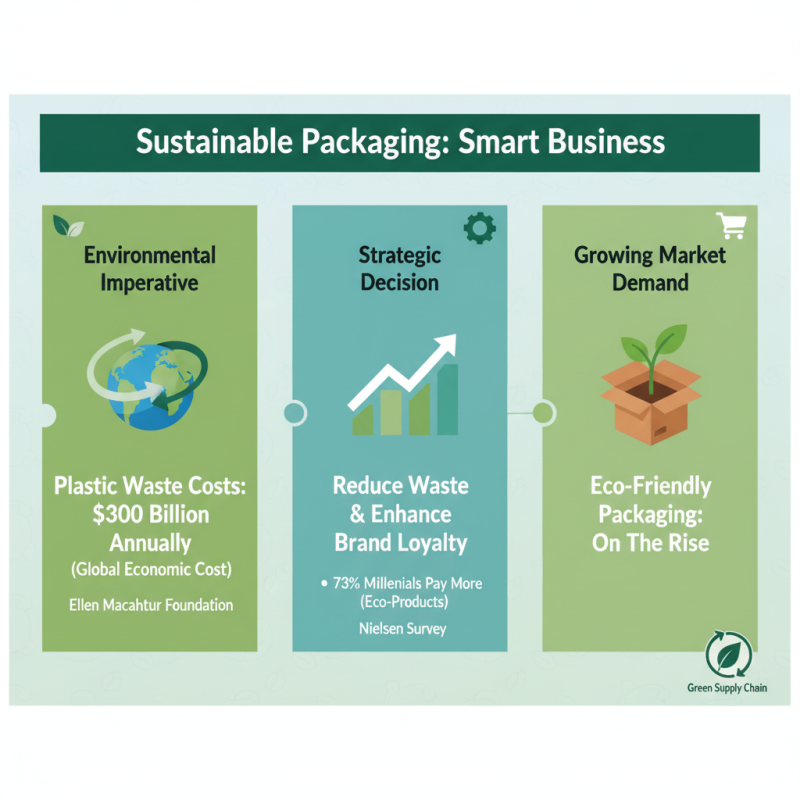
Incorporating sustainable packaging solutions within your supply chain is not just an environmental imperative but also a strategic business decision. According to a report by the Ellen MacArthur Foundation, the global economic cost of plastic waste is estimated to be around $300 billion annually. As businesses continue to grapple with the implications of plastic pollution, adopting sustainable packaging can significantly reduce waste and enhance brand loyalty among eco-conscious consumers. For instance, a survey by Nielsen found that 73% of millennials are willing to pay more for sustainable products, indicating that the market demand for eco-friendly packaging is on the rise.
Transitioning to sustainable packaging can involve various innovative materials, such as biodegradable plastics, recycled paper, and plant-based alternatives. A study published by the World Economic Forum highlighted that utilizing such materials could divert approximately 30% of plastic waste from landfills and oceans. Additionally, implementing a closed-loop system in your supply chain, which emphasizes the reuse and recycling of materials, not only minimizes waste but also fosters a circular economy that benefits both businesses and the environment. By embracing these sustainable practices, companies can improve operational efficiencies, meet regulatory requirements, and position themselves as leaders in the shift toward a more sustainable future.
Encouraging Employee Participation in Waste Reduction Initiatives
Encouraging employee participation in waste reduction initiatives is crucial for businesses aiming to minimize plastic waste. A recent report from the World Economic Forum highlights that approximately 91% of plastic waste is not recycled, emphasizing the urgent need for action within organizations. By actively involving employees in waste reduction efforts, businesses can foster a culture of sustainability that not only enhances corporate responsibility but also improves employee morale and engagement.
Creating a comprehensive recycling program is one effective way to engage employees. Research from the Ellen MacArthur Foundation indicates that businesses that implement visible recycling initiatives see a 30% increase in employee participation. Training sessions and workshops can be organized to educate staff about the impact of plastic waste and the importance of proper disposal methods. Moreover, companies can encourage participation through incentives, such as recognition programs or rewards for departments that demonstrate significant reductions in plastic use. These initiatives not only lead to measurable waste reduction but also empower employees to take ownership of their environmental impact.
Additionally, businesses can leverage technology to track waste reduction progress. Implementing digital platforms that allow employees to report their plastic usage and recycling habits can create a sense of accountability and competition. According to the Green Business Bureau, organizations that adopt such technologies report up to 50% improvement in recycling rates. By fostering teamwork and encouraging innovative ideas from employees, businesses can transform their operations and significantly minimize their plastic footprint.
Effective Ways to Reduce Plastic Waste in Your Business Operations
| Initiative |
Description |
Employee Participation (%) |
Waste Reduction (kg/month) |
| Reusable Containers |
Encouraging employees to use reusable containers for food and beverages. |
75% |
50 |
| Plastic Bag Reduction |
Providing alternatives to plastic bags for supplies and materials. |
60% |
30 |
| Recycling Program |
Implementing a comprehensive recycling program across the office. |
80% |
100 |
| Education Workshops |
Conducting workshops to educate employees on plastic waste issues. |
55% |
20 |
| Digital Tools |
Using digital tools to reduce paper and plastic use in documentation. |
70% |
40 |
Monitoring and Measuring the Success of Plastic Waste Reduction Efforts
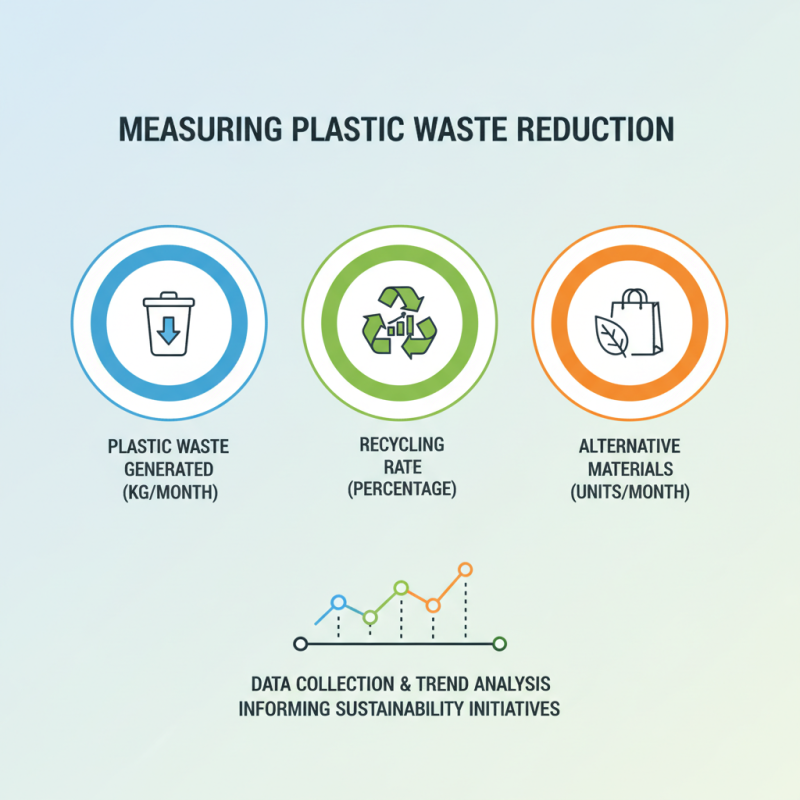
Monitoring and measuring the success of plastic waste reduction efforts is crucial for businesses aiming to create sustainable operations. One effective approach is to establish clear metrics that align with the organization’s sustainability goals. This could include tracking the volume of plastic waste generated, monitoring recycling rates, and assessing the effectiveness of alternative materials. By collecting data over time, businesses can identify trends, pinpoint areas for improvement, and evaluate the impact of specific initiatives.
Another important aspect is employee engagement in the monitoring process. Encouraging team members to contribute to data collection can foster a culture of accountability and innovation. Workshops and training sessions can help employees understand the importance of plastic waste reduction and how their actions contribute to the overall success. Regularly reviewing progress in team meetings and celebrating milestones can further motivate staff and reinforce commitment to sustainability.
Lastly, businesses should consider leveraging technology to aid in monitoring efforts. Implementing digital tools for waste tracking and measurement can streamline data collection and provide real-time insights. This can enhance decision-making, allowing companies to adjust strategies as needed to maximize their plastic waste reduction efforts. By continuously evaluating and refining their approaches, businesses can make significant strides toward reducing plastic waste and fostering a more sustainable future.