Why is Plastic Production Essential for Global Supply Chains?
Plastic production plays a pivotal role in global supply chains. The global plastic market size was valued at over $580 billion in 2020, according to Grand View Research. This significant figure highlights the reliance on plastics across various sectors. From packaging to automotive components, plastic is essential for product durability and cost-effectiveness.
However, the environmental impact of plastic production raises concerns. Approximately 300 million metric tons of plastic are produced each year, generating vast amounts of waste. The World Economic Forum notes that if current trends continue, there may be more plastic than fish in the oceans by 2050. This stark reality forces industry leaders to rethink their plastic strategies.
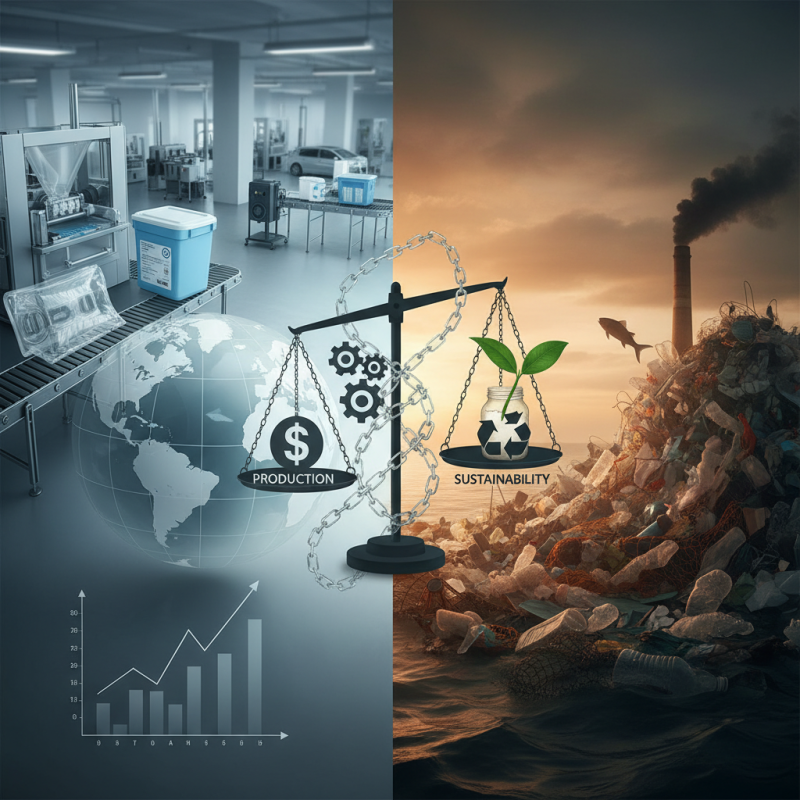
While plastic production is vital, the industry faces a growing demand for sustainable practices. Companies are investing in biodegradable materials and recycling technologies. Yet, achieving a balance between production needs and environmental responsibilities remains challenging. Stakeholders must reflect on how to innovate while addressing these pressing issues.
The Role of Plastics in Modern Manufacturing and Logistics
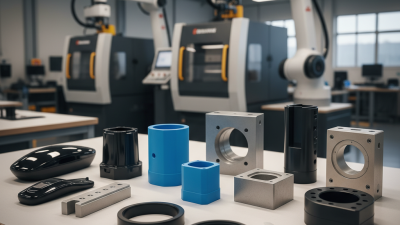
Plastics play a crucial role in modern manufacturing and logistics. They are lightweight, durable, and versatile. These properties make plastics ideal for a wide range of applications. From automotive parts to packaging materials, plastics enhance efficiency and reduce costs. They allow for the creation of components that are both strong and lightweight, leading to improved fuel efficiency in transportation.
In logistics, plastic packaging is essential. It protects goods during shipping and reduces breakage. This reliability ensures products arrive in perfect condition, crucial for customer satisfaction. However, the reliance on plastics raises concerns about sustainability. The environmental impact of plastic waste cannot be ignored. Many industries are now seeking alternatives that balance functionality with ecological responsibility.
Despite these challenges, the use of plastics remains pervasive. They continue to evolve, with innovations in biodegradable materials and recycling technologies. This evolution reflects a growing awareness of ecological issues, yet the transition to sustainable practices is slow. Balancing supply chain efficiency with environmental impact is a complex task. The path forward requires collaboration and commitment from all stakeholders in the industry.
Global Demand for Plastics: Key Statistics and Trends
The global demand for plastics continues to rise, shaping industries and economies. In 2021 alone, the world produced around 367 million tons of plastic. This number reflects a growing reliance on plastic in various sectors, including packaging, construction, and automotive. As consumer preferences shift, the demand for flexible packaging solutions surges. This trend has led to innovation in biodegradable plastics, addressing environmental concerns.
Data indicates that the Asia-Pacific region leads in plastic consumption. Countries like China and India are significant contributors. Meanwhile, the European Union focuses on reducing plastic waste. Despite efforts in recycling and circular economies, a staggering percentage of plastics still end up in landfills. Mismanaged waste presents a critical challenge, sparking debates about sustainability.
Moreover, reliance on plastic raises questions about resilience in supply chains. Disruptions during the pandemic exposed vulnerabilities. Manufacturers faced delays and shortages, prompting a reconsideration of their sourcing strategies. Exploring alternatives to traditional plastics is essential for building more robust supply chains. Ultimately, balancing demand with ecological responsibility remains a complex dilemma.
Why is Plastic Production Essential for Global Supply Chains?
| Category |
Global Demand (Million Metric Tons) |
Growth Rate (%) |
Major Applications |
| Packaging |
90 |
3.5 |
Food & Beverage |
| Construction |
40 |
4.0 |
Pipes, Insulation |
| Automotive |
25 |
3.0 |
Interior Parts |
| Electronics |
15 |
5.0 |
Casings, Insulators |
| Medical |
20 |
4.5 |
Syringes, Tubing |
Impact of Plastic Production on Economic Growth and Employment
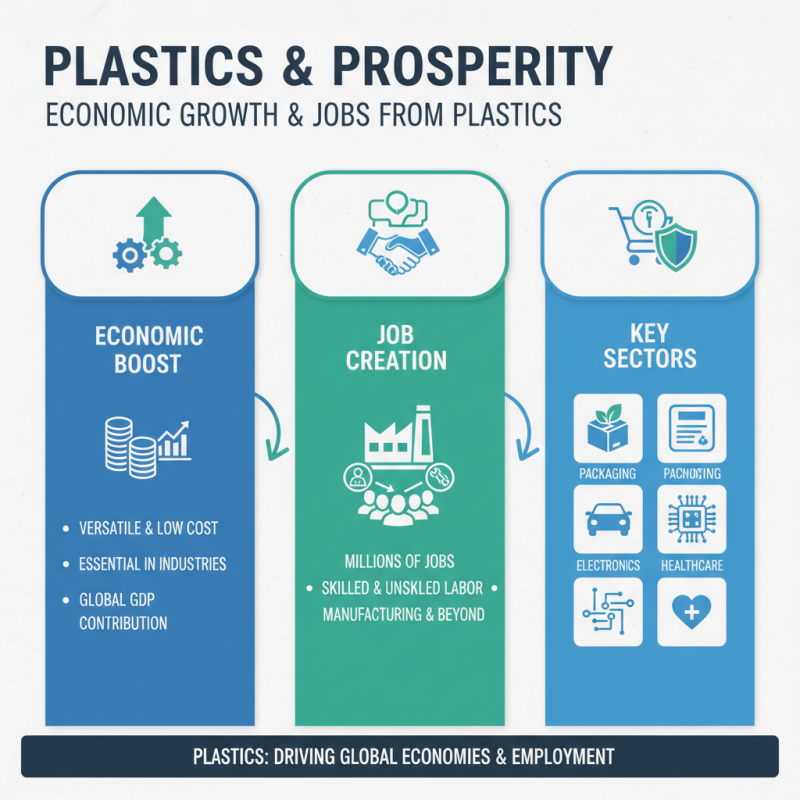
Plastic production plays a vital role in boosting economic growth and creating jobs worldwide. In many industries, plastics are essential due to their versatility and low cost. They are used in packaging, automotive, electronics, and healthcare sectors. The production and processing of plastics support millions of jobs. Skilled and unskilled labor are both required. This creates a significant economic impact.
However, the environmental concerns surrounding plastic production cannot be ignored. While it drives economic growth, plastics contribute to pollution and waste. The reliance on this material may lead to unsustainable practices. It challenges societies to balance economic benefits with environmental stewardship.
Tips: Consider exploring biodegradable alternatives. Support companies that focus on sustainability. Simple changes can have a lasting impact on the environment. With responsible choices, we can still enjoy the benefits of plastic while protecting our planet.
Sustainability Challenges in Plastic Production and Supply Chains
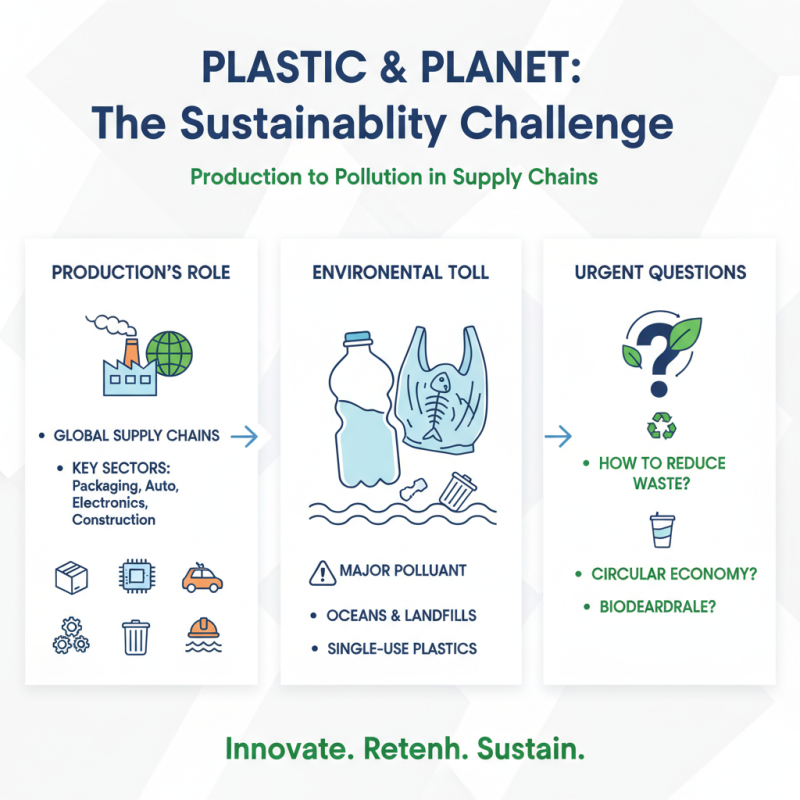
Plastic production plays a crucial role in global supply chains. It is found in packaging, automotive, electronics, and construction. Yet, the environmental impact is significant. Plastic is a major contributor to pollution. Single-use plastics often end up in oceans and landfills. This raises urgent questions about sustainability.
Producing plastic relies heavily on fossil fuels. The extraction processes can damage ecosystems. Moreover, recycling rates remain low. Many plastics are not biodegradable, leading to long-term waste issues. Transitioning to biodegradable alternatives is complex. Costs and technology pose challenges for manufacturers.
Sustainable practices must become a priority. Companies should invest in innovation. Using recycled materials can reduce reliance on virgin resources. Education and awareness are vital. Consumers need to understand the importance of responsible plastic use. Industry collaboration is necessary to create a circular economy. Embracing change is difficult, yet it is essential for a healthier planet.
Innovations in Plastic Recycling and Circular Economy Solutions
Innovation in plastic recycling is becoming critical in building a sustainable circular economy. According to the Ellen MacArthur Foundation, transitioning to a circular model could reduce global carbon emissions by 45% by 2030. This potential makes recycling technologies essential for addressing environmental challenges. Advanced recycling methods, such as chemical recycling, can convert waste into new plastics, significantly increasing recycling rates beyond current figures that hover around 9%.
Many industries are realizing the benefits of circular economy solutions. A report from Accenture highlights that companies embracing these practices could save $1 trillion by 2030. This represents not only cost efficiency but also a significant reduction in reliance on fossil fuels. However, implementing such systems can be complex and requires collaboration across supply chains. Stakeholders must invest in infrastructure and raise consumer awareness about recycling.
Tip: In your own operations, start small. Encourage recycling practices within your team. Promote awareness campaigns, and track your waste reduction goals. Engage your supply chain partners to innovate together. Remember, even small steps can lead to impactful change. The journey towards a circular economy is ongoing, and every effort counts.
Plastic Production and Recycling Impact on Global Supply Chains