What is Plastic Production and Its Impact on the Environment?
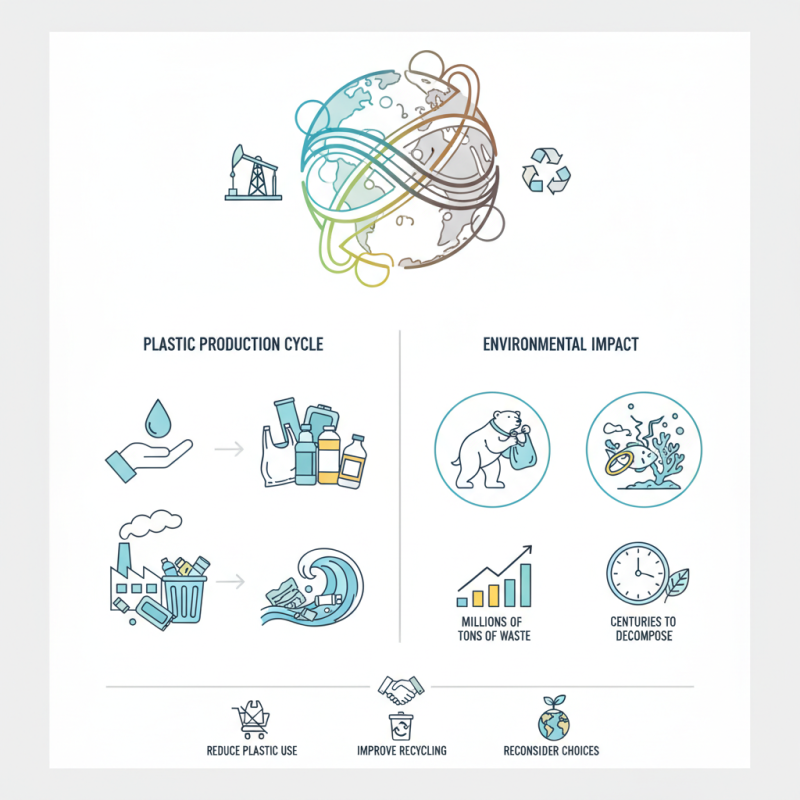
Plastic production has become a significant part of modern industry. It provides versatile materials used in countless products. However, this convenience comes at a high environmental cost. The process of producing plastic involves extracting fossil fuels, which contributes to pollution and greenhouse gas emissions.
Every year, millions of tons of plastic waste accumulate in landfills and oceans. This poses a serious threat to wildlife and ecosystems. The durability of plastic means it can take centuries to decompose. Many animals mistakenly ingest plastic debris, leading to fatal consequences. As plastic production continues to rise, the urgency to address these issues increases.
Consumers, manufacturers, and governments must collaborate to find solutions. Reducing plastic production and improving recycling efforts are crucial steps. We need to reflect on our dependence on plastic and its lasting effects on our planet. This is a moment for change, urging us to reconsider our choices.
What is Plastic Production? An Overview of the Process
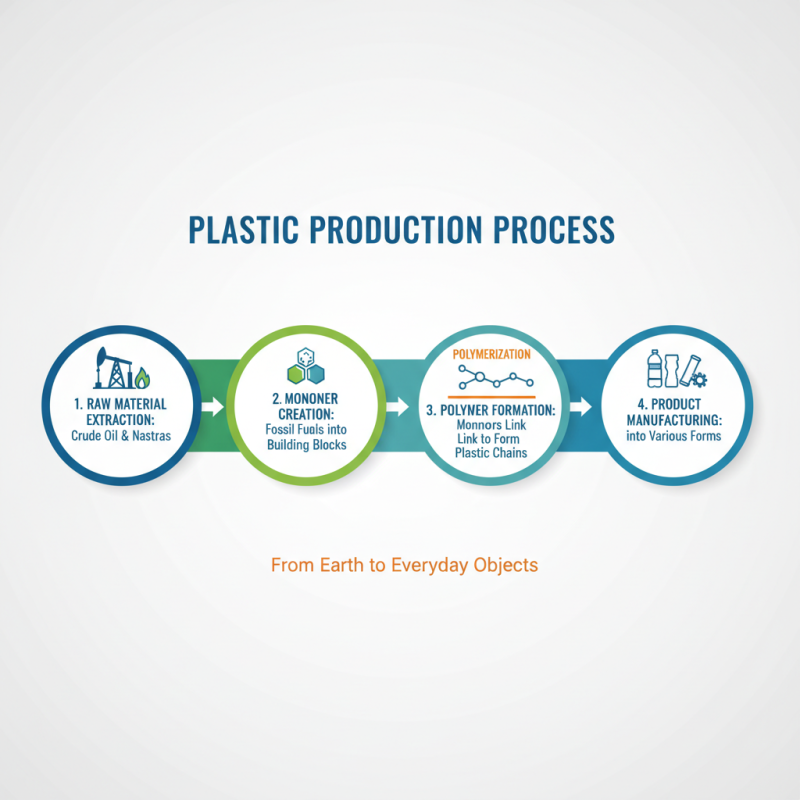
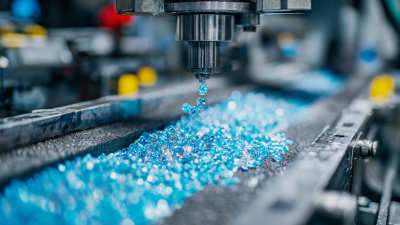
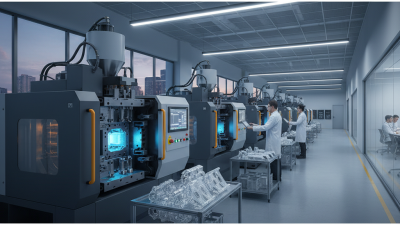
Plastic production involves several key steps that begin with raw materials. First, crude oil or natural gas is extracted. These fossil fuels are then transformed into monomers, the building blocks of plastic. Through a process called polymerization, these monomers join together to form polymers. This is where plastic takes shape. Factories then mold these polymers into various products.
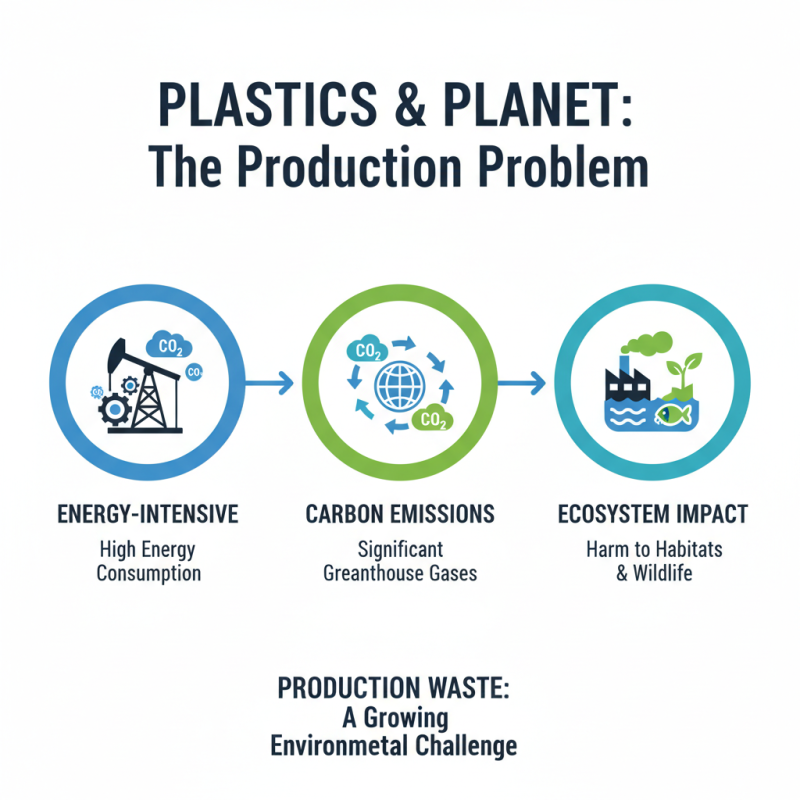
The environmental impact of plastic production is significant. It consumes energy and releases greenhouse gases, contributing to climate change. Furthermore, much of the waste generated during manufacturing is not recycled. This leads to overflowing landfills. Many people are unaware of the pollution produced from manufacturing sites. Emissions can harm local ecosystems and human health. Society must rethink our reliance on plastic. The focus should be on reducing production and exploring sustainable alternatives.
Global Plastic Production Statistics: A Closer Look at Industry Data
Plastic production has reached staggering levels globally. In 2021, it topped 390 million metric tons. This figure highlights a boom in plastic use across various industries. Packaging, in particular, accounts for nearly half of all plastic consumption. The growth shows no signs of slowing down, raising concerns about sustainability.
The impact on the environment is profound. Every year, millions of tons of plastic waste end up in oceans and landfills. This pollution harms wildlife and ecosystems. Marine animals ingest plastic, mistaking it for food. The consequences are devastating and far-reaching. Yet, recycling rates remain low, with only about 9% of plastic being recycled effectively. People often overlook the complexity of plastic disposal. The urgency for solutions is clear, but progress feels painfully slow.
What is Plastic Production and Its Impact on the Environment? - Global Plastic Production Statistics
| Year |
Global Plastic Production (Million Metric Tons) |
Plastic Waste Generated (Million Metric Tons) |
Recycling Rate (%) |
Environmental Impact Index |
| 2018 |
360 |
310 |
9% |
High |
| 2019 |
370 |
320 |
10% |
High |
| 2020 |
380 |
350 |
12% |
Very High |
| 2021 |
400 |
360 |
15% |
Very High |
| 2022 |
420 |
370 |
18% |
Very High |
Environmental Impact of Plastic Production: Emissions and Resource Use
Plastic production significantly impacts the environment. It requires vast amounts of fossil fuels, which contribute to greenhouse gas emissions. For every ton of plastic produced, nearly five tons of carbon dioxide is released into the atmosphere. This process not only depletes resources but also accelerates climate change, leading to disastrous weather patterns.
Additionally, plastic production consumes large quantities of water. Factories often draw from local sources, stressing ecosystems. Wildlife suffers when pollution from production processes contaminates nearby waters. This pollution can leach into food chains, affecting both animals and humans. It's a cycle that perpetuates ongoing environmental harm.
While plastic is convenient, the trade-off is severe. Are we truly aware of these costs? Many ignore the hidden consequences in favor of immediate usability. The pursuit of convenience blinds us to the environmental toll. Reflecting on our consumption habits is crucial; each piece of plastic has a story, and not all are good.
Plastic Lifecycle: From Production to Pollution in Natural Habitats
Plastic production begins with extracting fossil fuels. This process requires significant energy and releases greenhouse gases. Once produced, plastic items are widely used in various applications. However, their durability means they can persist in the environment for hundreds of years.
After their use, these plastics often end up in landfills or as litter. A significant portion finds its way into oceans and rivers. As they break down, they release harmful chemicals. Wildlife may ingest or become entangled in plastic debris. This can lead to injuries or even death for numerous species.
Tips: Choose reusable bags and containers. This simple switch can significantly reduce plastic waste. Also, consider alternatives to plastic products. Bamboo or glass items are great substitutes.
Unfortunately, many don't recognize the long-term consequences. Awareness about plastic pollution is growing, but still not enough. Each piece of plastic matters, and we must rethink our consumption choices. Small actions can lead to significant changes over time.
Plastic Production and Its Environmental Impact
This chart illustrates the growth of plastic production and the corresponding rise in plastic waste from 2010 to 2023. The data highlights the increasing environmental challenges associated with plastic pollution.
Solutions and Innovations: Mitigating Environmental Effects of Plastic Production
Innovations in plastics have certainly evolved, but so have the challenges they pose to our environment. One pressing issue is the waste generated from plastic production. Research shows that the production process itself is highly energy-intensive. This results in significant carbon emissions. Many industries rely heavily on plastic, impacting our ecosystems.
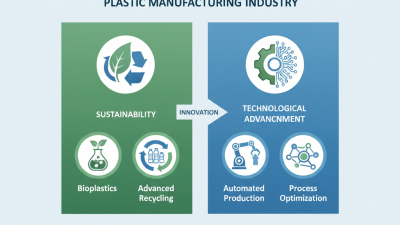
Solutions are emerging to address these environmental challenges. Biodegradable plastics are entering the market. These alternatives can break down more easily and reduce pollution. Recycling programs are also gaining traction. They aim to minimize plastic waste. However, we still face significant hurdles in recycling efficiency and public participation. Education is crucial to improve recycling habits. It’s essential to communicate the importance of every individual’s role in fostering change.
Despite these advancements, many questions remain unanswered. The effectiveness of alternatives, like biodegradable plastics, is still under scrutiny. Some materials take longer to decompose than advertised. We must continue to explore various options and rethink our plastics dependency. Developing a culture of sustainability will require collective effort and commitment from everyone.