What is PDLC Film and How Does it Work?
PDLC Film, or Polymer Dispersed Liquid Crystal Film, is a fascinating technological innovation. This film enables glass to switch between transparent and opaque states. It incorporates liquid crystal molecules suspended in a polymer matrix. When an electrical current is applied, the molecules align, allowing light to pass through.
The potential applications of PDLC Film are extensive. It is used in smart windows, privacy screens, and innovative displays. Consumers appreciate its ability to provide privacy without obstructing light. However, its effectiveness can vary based on environmental factors and installation quality.
Understanding PDLC Film's workings is essential for businesses and consumers alike. While it offers many benefits, there are challenges. The cost may be a concern for some applications. Accurate installation and maintenance are crucial for optimal performance. As technology evolves, PDLC Film will likely continue to improve, offering greater versatility and efficiency.
What is PDLC Film: An Overview of Its Definition and Properties
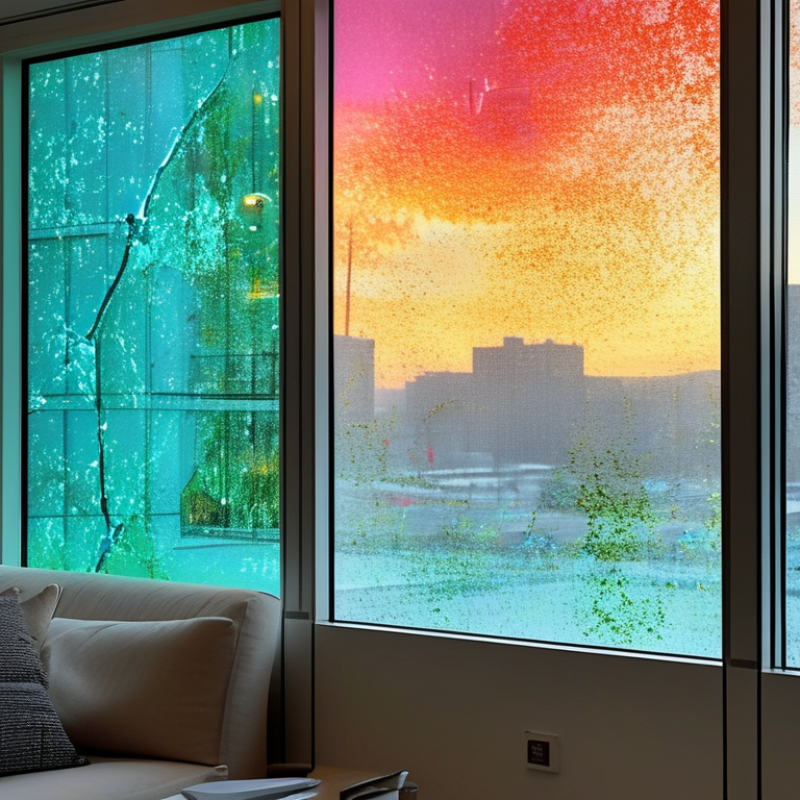
PDLC film, or polymer-dispersed liquid crystal film, provides innovative solutions in modern design and technology. This unique material comprises tiny liquid crystals dispersed within a polymer matrix. When an electric current flows through the film, the crystals align, allowing light to pass through. In its unpowered state, the film appears opaque. This transformation process is fascinating, as it offers both privacy and transparency with the flip of a switch.
The properties of PDLC film make it versatile. Its applications range from smart windows to privacy screens, transforming ordinary spaces. This film can control sunlight, reduce glare, and enhance privacy without sacrificing aesthetics. It is also energy efficient, contributing to sustainable building practices. Despite its numerous advantages, challenges exist. The performance can vary based on temperature and voltage. Ensuring consistent quality in manufacturing is essential. As the technology progresses, addressing these issues will be vital for its wider adoption in everyday life.
The Science Behind PDLC Film: How It Operates on Light and Electricity
PDLC film, or Polymer Dispersed Liquid Crystal film, operates on the fascinating principles of light and electricity. This technology transforms the way we perceive privacy and transparency. When an electric current passes through the film, it changes how light interacts with its surface. In its off state, the film appears opaque, while in its on state, it transitions to clear. This remarkable capability makes PDLC film ideal for residential and commercial settings alike.
The science behind PDLC film lies in its liquid crystal molecules, which respond to electrical stimuli. When switched off, these molecules are randomly aligned, blocking light effectively. However, applying voltage aligns the molecules, allowing light to pass through freely. This process is not merely about functionality; it also raises questions about energy consumption and potential long-term durability. Users might notice inconsistencies in clarity over time or face challenges with installation and maintenance. Despite its modern appeal and versatility, the technology can sometimes fail to meet expectations in high-demand environments.
Applications of PDLC Film in Architecture and Interior Design
PDLC (Polymer Dispersed Liquid Crystal) film has garnered attention for its versatile applications in architecture and interior design. This technology allows glass to switch from transparent to opaque with the flick of a switch. According to the "Smart Glass Market" report by MarketsandMarkets, the smart glass market, which includes PDLC films, is expected to grow at a CAGR of 14.3% from 2021 to 2026. This indicates a rising adoption in modern design practices.
In architectural applications, PDLC film enhances privacy without sacrificing natural light. For instance, it can be applied to conference room windows, transforming open spaces into secure environments. An evaluation of office spaces by the International Facility Management Association highlighted a 30% increase in employee satisfaction when privacy options were available. Additionally, PDLC film is used in residential designs, providing flexibility in spaces like bathrooms and bedrooms.
However, the implementation of PDLC film is not without challenges. The initial cost may be prohibitive for some projects, prompting property owners to weigh the benefits against expenses. Furthermore, environmental factors can affect its performance, causing variability in its switching capabilities. These considerations are critical for architects to create truly innovative spaces that meet both aesthetic and functional needs.
Applications of PDLC Film in Architecture and Interior Design
Market Trends and Growth Forecast for PDLC Film Industry
The PDLC film market is experiencing notable growth fueled by various trends. According to market research, the global PDLC film market is projected to reach $5 billion by 2025, with a compound annual growth rate (CAGR) of approximately 25%. This rapid expansion can be attributed to its increased application in smart glass, interior design, and privacy solutions.
Innovation drives this growth. Enhanced product features, like improved switching speed and energy efficiency, are capturing consumer interest. Additionally, the rising demand for energy-efficient solutions in the construction sector aligns seamlessly with PDLC film's capabilities. A significant 30% of industry players now focus on developing eco-friendly products, reflecting a shift towards sustainable practices.
In terms of challenges, the industry faces hurdles with initial costs. The high price of installation can deter potential customers. Despite this, the long-term benefits of energy savings and privacy solutions often outweigh these costs. Ongoing research and development efforts aim to enhance the affordability of PDLC technology, potentially opening doors to a broader market.
What is PDLC Film and How Does it Work? - Market Trends and Growth Forecast for PDLC Film Industry
| Dimension | 2022 Value | 2023 Value | 2024 Forecast | CAGR (2022-2027) |
| Market Size (Million USD) | 150 | 180 | 220 | 12% |
| Production Volume (Square Meters) | 500,000 | 600,000 | 750,000 | 10% |
| Key Application Areas (%) | Architectural | 35 | 40 | 45 |
| Growth Drivers | Increasing demand for smart glass technology and energy-efficient solutions |
Technical Specifications: Key Performance Metrics of PDLC Film
PDLC film, or Polymer Dispersed Liquid Crystal film, is increasingly popular in modern design and technology. It offers unique properties that are beneficial in various applications, notably in privacy modes for windows and screens. Understanding its technical specifications is crucial for evaluating its performance in real-world scenarios.
One key performance metric is transition speed. The time taken to switch between transparent and opaque states can significantly impact user experience. Another important aspect is light transmittance. High-quality PDLC film can allow adequate light while ensuring privacy. Moreover, the film's durability plays a pivotal role. Resistance to environmental factors, such as humidity and temperature, is essential for longevity.
On the flip side, PDLC film has limitations. It requires a power source to maintain its state, creating dependency that might not suit all environments. Additionally, not all films offer the same clarity when in transparent mode. Some users report a slight distortion, which can affect visibility. As technology evolves, overcoming these challenges will be vital for broader adoption.