What is the Injection Moulding Process and Its Benefits?
The injection moulding process is a fundamental manufacturing technique used widely across various industries. This method involves injecting molten material into a mold to create specific shapes and designs. The efficiency of this process is unmatched, providing high production rates and precision.
Manufacturers benefit greatly from injection moulding. It allows for intricate designs with minimal waste. However, the initial investment in molds can be substantial. Companies must carefully consider their production needs before committing.
Understanding the injection moulding process is essential for making informed decisions. While this process offers many advantages, potential drawbacks include the complexity of mold design and the need for maintenance. Reflecting on these factors is crucial for optimizing production efficiency.
Understanding the Basics of the Injection Moulding Process
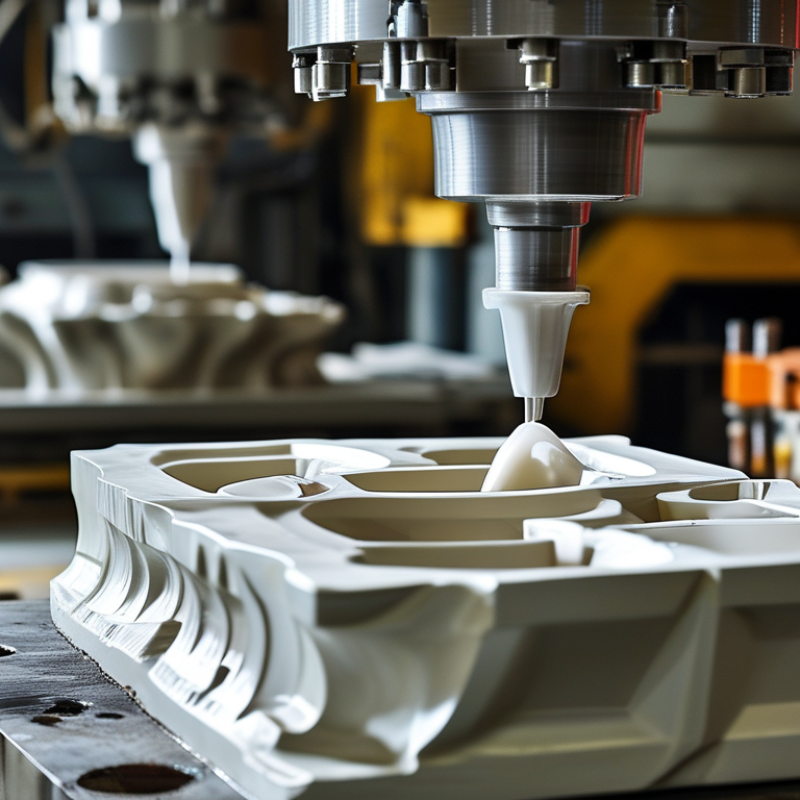
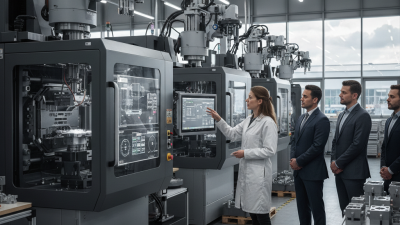
The injection moulding process is a widely used method for producing plastic parts. It involves injecting molten plastic into a mould, where it cools and solidifies. This process allows for high precision and repeatability, essential for mass production. The machinery used includes an injector, a heating chamber, and the mould itself. Each component plays a crucial role in determining the final quality of the product.
One of the main benefits of injection moulding is the ability to create complex shapes with intricate details. This is highly beneficial for industries like automotive and consumer products. However, it’s not without challenges. Mould design can be expensive and time-consuming. Moreover, material selection must be precise to avoid issues such as warping or poor surface finish. Balancing cost and quality is often a point of reflection for manufacturers.
Understanding the basics of this process can lead to improved production efficiency. These benefits can substantially impact overall business performance. Yet, even the most established manufacturers must continuously innovate. Embracing new materials and technologies is crucial, as staying stagnant can lead to missed opportunities in a competitive market.
What is the Injection Moulding Process and Its Benefits? - Understanding the Basics of the Injection Moulding Process
| Aspect |
Details |
| Process Overview |
Injection moulding involves injecting molten material into a mould cavity to create parts. |
| Materials Used |
Common materials include thermoplastics, thermosetting plastics, and certain metals. |
| Applications |
Used in automotive, consumer goods, medical devices, and electronics. |
| Benefits |
High efficiency, low waste, intricate designs, and repeatability. |
| Cycle Time |
Cycle times can range from seconds to minutes depending on part complexity and size. |
| Cost Effectiveness |
Initial setup costs are higher but lower per unit cost at scale. |
| Design Flexibility |
Allows for complex designs and the ability to create multi-part assemblies in a single piece. |
Key Stages Involved in Injection Moulding Production
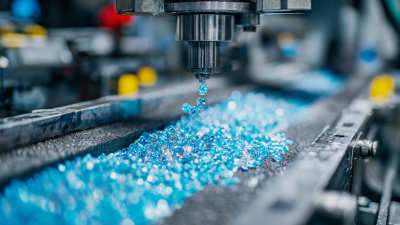
The injection moulding process involves several key stages that ensure efficiency and quality in production. It begins with material preparation, where raw plastic pellets are fed into a hopper. These pellets are then heated to a melting point. This step is crucial as proper heating affects the final product's strength and finish.
Next is the injection stage. The molten plastic is injected into a mould under high pressure. This requires precision; too much pressure can lead to defects, such as flash. After injection, the mould cools, allowing the plastic to solidify. Cooling time is vital. If cooled too quickly or slowly, it can cause warping or uneven texture.
Once cooled, the mould opens to eject the finished part. This may seem straightforward, but variations in cooling rates or material properties can lead to inconsistencies. Finally, the parts may undergo trimming or finishing to remove excess material or imperfections. Each of these stages requires careful monitoring to ensure high-quality outcomes.
Injection Moulding Process Benefits by Stage
Materials Commonly Used in Injection Moulding
Injection moulding relies on various materials, each selected for specific applications. Commonly used materials include thermoplastics like ABS and PVC, as well as thermosetting plastics like epoxy and phenolic resins. According to the Plastic Industry Association, thermoplastics account for over 70% of injection-moulded products, due to their excellent flow characteristics and recyclability.
The choice of material significantly impacts the final product’s performance. For example, ABS is known for its toughness and impact resistance, making it a favorite in automotive and consumer goods. On the other hand, polycarbonate offers superior clarity and heat resistance, making it ideal for optical components. Industry reports suggest that using the right materials can improve production efficiency by up to 25%, enhancing overall sustainability.
When selecting materials, consider the end-use application carefully. Each material comes with distinct attributes and limitations. Some may be less suitable for high-temperature environments, while others may not withstand UV exposure. Evaluate all aspects, including costs and mechanical properties. Explore alternatives if the standard choices do not meet specific project requirements.
Advantages of Injection Moulding Over Other Manufacturing Methods
Injection moulding is a widely used manufacturing process, known for its efficiency and precision. One major advantage is its ability to produce complex shapes. It allows for intricate designs that might be impossible with other methods. This capability opens up new possibilities in product development.
Another strength of injection moulding is its speed. The process can consistently churn out thousands of parts quickly. In high-volume production, this efficiency can significantly reduce costs. However, the initial setup requires a substantial investment, which could deter small businesses. Nonetheless, the long-term savings often outweigh these upfront costs.
Quality control is another vital aspect. Parts produced through injection moulding tend to be uniform and precise. This ensures that each component meets the required specifications without significant variances. Yet, maintaining quality also requires careful monitoring throughout the production process. Adjustments may be necessary to address any inconsistencies. Balancing these factors is key to leveraging the full benefits of injection moulding.
Applications of Injection Moulding in Various Industries
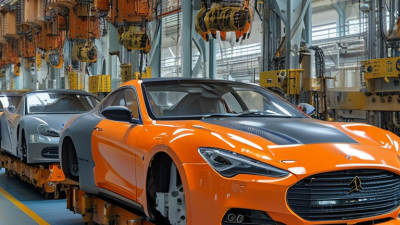
Injection moulding is widely used across several industries due to its efficiency and cost-effectiveness. In the automotive sector, for instance, about 30% of all plastic parts in vehicles are produced using this method. It allows manufacturers to create components with complex geometries, such as dashboards or casings, ensuring both precision and durability.
Medical devices also heavily rely on injection moulding. Reports show that this segment is expected to reach over $40 billion by 2027. Components like syringes, surgical instruments, and implantable devices benefit from the high level of cleanliness and consistency that the process can achieve. This is crucial for safety and reliability in healthcare settings.
Consider optimizing designs for manufacturability. Reducing wall thickness can cut down on material costs. However, thinner walls may compromise strength, leading to potential failures. Balancing design and functionality is essential. Rethink your material choices, as some polymers offer better performance for certain applications, which could lead to long-term savings.