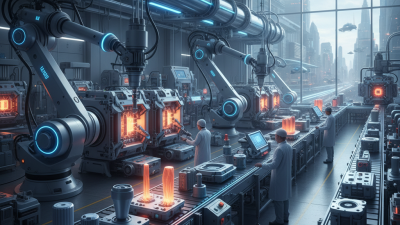

As we look ahead to 2025, the landscape of the manufacturing industry is set to evolve dramatically, particularly in the realm of injection molding machines. These machines are integral to the production of a vast array of plastic products, playing a vital role in sectors such as automotive, consumer goods, and medical devices. The ongoing advancements in technology and changing market demands are driving a host of new trends that will shape the future of injection molding.
One key trend is the increasing focus on sustainability and energy efficiency. Manufacturers are recognizing the importance of eco-friendly practices and are upgrading their injection molding machines to reduce waste and energy consumption. Additionally, the integration of smart technology and automation is set to transform traditional processes, enhancing precision and productivity while minimizing human error. As companies strive to remain competitive, investing in the latest features and capabilities of injection molding machines will be essential to meet the growing expectations of the market.
Ultimately, staying informed about these trends is crucial for manufacturers who want to leverage the full potential of injection molding machines. With the right insights and strategies, businesses can not only improve their operational efficiency but also contribute to a more sustainable and innovative future within the manufacturing sector.
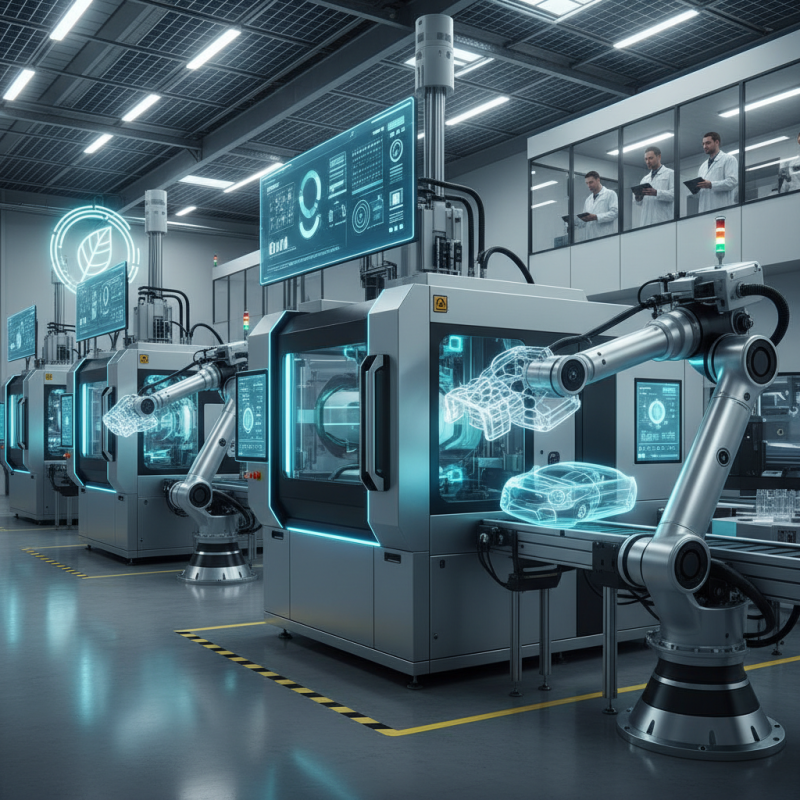
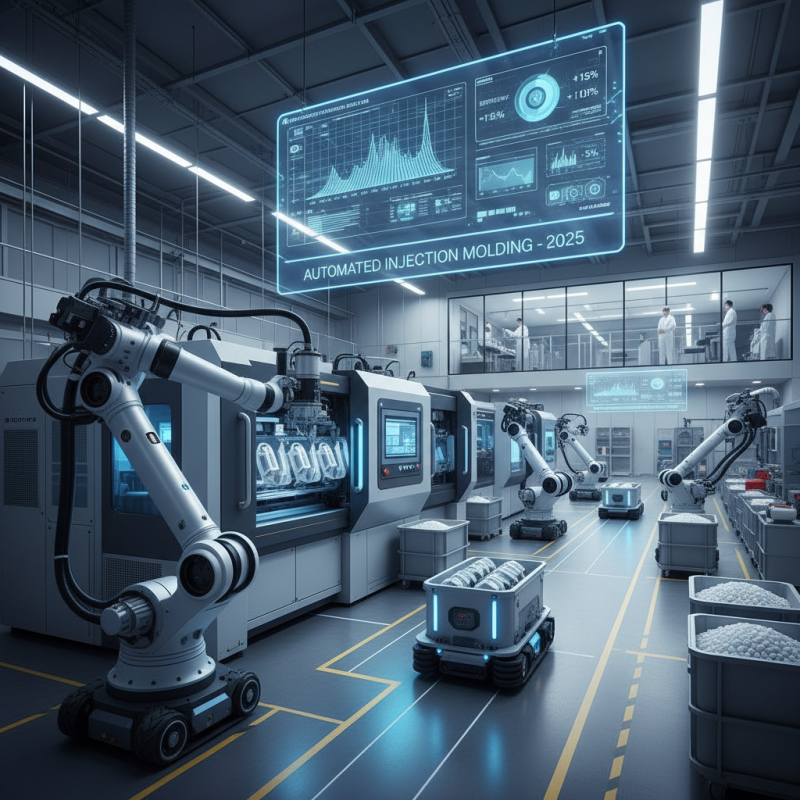
As we look toward 2025, injection molding machinery is on the cusp of transformative changes driven by emerging technologies. One of the most significant trends is the integration of advanced automation and robotics in the injection molding process. According to a report by Mordor Intelligence, the global market for automated injection molding is expected to grow at a CAGR of over 8% from 2020 to 2025. This shift towards automation not only enhances production efficiency but also improves precision and reduces waste, making it a pivotal element in the future landscape of manufacturing.
Another notable technological advancement is the adoption of Industry 4.0 principles, particularly the Internet of Things (IoT) and big data analytics. These technologies facilitate real-time monitoring and predictive maintenance, significantly lowering downtime. A study by Technavio predicts that the market for IoT in manufacturing will reach $256 billion by 2025, highlighting the increasing reliance on data-driven approaches to enhance operational efficiency. By harnessing these technologies, manufacturers can gain deeper insights into their processes, leading to optimized production lines and cost savings.
Sustainability is also at the forefront of injection molding innovations. With environmental concerns rising, companies are increasingly focusing on eco-friendly materials and energy-efficient machinery. The global bio-based plastics market, for example, is projected to grow from $4.9 billion in 2020 to $10.5 billion by 2025, as reported by Research and Markets. This trend reflects a growing demand for sustainable practices within the industry, pushing manufacturers to seek out technologies that not only meet production needs but also contribute positively to the environment.
As the injection molding industry evolves,
sustainability practices are becoming a pivotal aspect of its future.
In 2025, companies are expected to increasingly focus on reducing their carbon footprint by adopting energy-efficient machinery
and optimizing their production processes. This shift not only minimizes environmental impact but also aligns with the
growing demand from consumers and regulators for greener manufacturing practices.
By implementing advanced technologies and materials that reduce waste, companies can contribute to a
circular economy, where resources are reused and recycled, thereby extending the
lifecycle of products.
Additionally, the integration of renewable energy sources into injection molding operations
is set to rise. Manufacturers are exploring options like solar and wind energy
to power their facilities, coupled with energy management systems that ensure maximum efficiency. The adoption of
biodegradable and recycled materials
in the production process further exemplifies the commitment to sustainability. This trend signifies not just a
technological advancement, but a significant cultural shift within the industry, where the emphasis is placed on
ethical production methods and environmental stewardship.
As these sustainability practices gain traction, the injection molding industry is poised to lead the way in
responsible manufacturing.
The injection molding industry is witnessing transformative advancements in automation and robotics, which are poised to redefine production capabilities by 2025. According to a report by Allied Market Research, the global robotics market in injection molding is expected to grow significantly, reaching an estimated value of $7 billion by 2025, reflecting a compound annual growth rate (CAGR) of over 10%. This growth is largely driven by the increased demand for precision and efficiency, with automation solutions designed to enhance operational productivity and reduce cycle times.
One prominent trend is the integration of smart technologies, such as the Internet of Things (IoT) and artificial intelligence (AI), into injection molding processes. These technologies enable real-time monitoring and data analytics, allowing manufacturers to optimize production runs and improve quality control. A study by Research and Markets highlights that over 60% of manufacturers are planned to implement advanced robotics in their operations by the end of the decade, indicating a substantial shift towards automated systems that can handle complex tasks with minimal human intervention. As a result, the future of injection molding is increasingly aligned with intelligent machinery that promotes sustainability and efficiency in manufacturing processes.
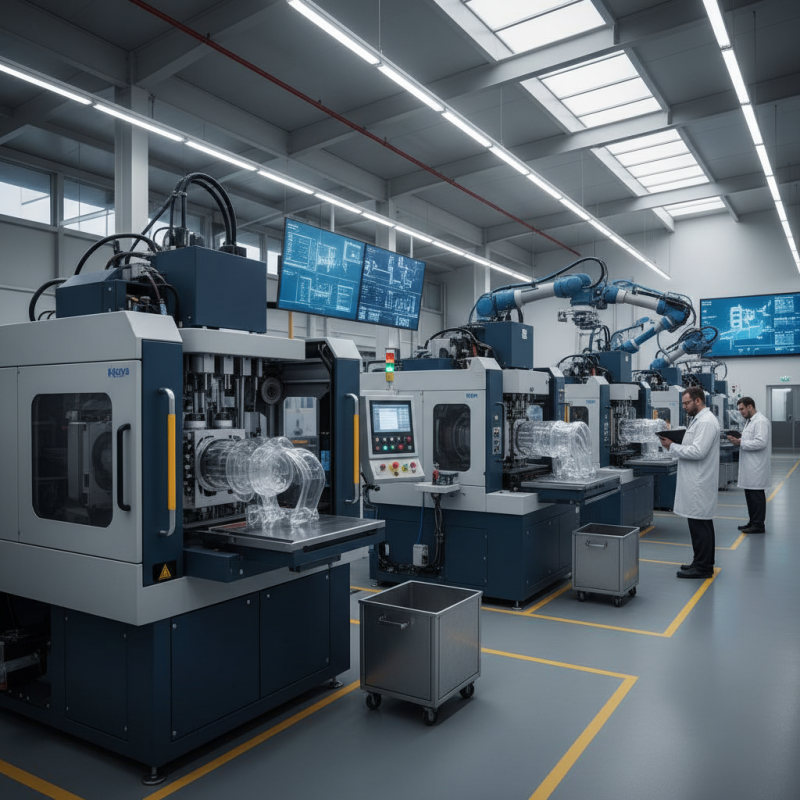
Industry 4.0 is revolutionizing injection molding processes by integrating advanced technologies that enhance efficiency and precision. The implementation of IoT (Internet of Things) devices allows for real-time monitoring of machines, enabling manufacturers to collect vast amounts of data. This data-driven approach helps identify inefficiencies and predict maintenance needs, ultimately reducing downtime and boosting production output. With the capability to analyze this data, companies can fine-tune processes, minimize waste, and ensure consistent product quality.
Additionally, smart automation and robotics are transforming how injection molding is conducted. These technologies not only streamline operations but also enhance workplace safety by taking over hazardous tasks. Machine learning algorithms further contribute by optimizing the molding parameters based on historical data, leading to improved cycle times and reduced energy consumption. As Industry 4.0 continues to evolve, its influence on injection molding will become increasingly pronounced, driving innovation and fostering a more sustainable manufacturing environment.
As we look toward 2025, the injection molding industry is set to evolve in response to shifting market predictions and consumer demands. One of the most significant trends is the growing emphasis on sustainability. Consumers are increasingly prioritizing eco-friendly products, pressuring manufacturers to adopt greener practices. This shift is driving investments in recyclable materials and energy-efficient machinery, ultimately reshaping the production processes within the industry.
Another trend to watch is the rising integration of smart technologies into injection molding processes. With advancements in automation and data analytics, manufacturers are enhancing their operational efficiency and product quality. This move not only meets the demand for precision and reliability but also addresses the need for greater operational transparency, allowing companies to respond more agilely to consumer preferences.
Tips: To stay ahead in this rapidly changing landscape, injection molding businesses should actively seek feedback from their customers on sustainability preferences and technological features. Additionally, investing in continuous training for employees on new technologies can foster innovation and improve overall product output. Embracing these trends will be crucial for meeting the evolving expectations of consumers and ensuring long-term success in the market.
All products and services provided by Innovative Plastic Molders, Inc. will meet or exceed our customer's perceived requirements and expectations. We will listen and respond to what our customers are telling us in a timely and forthright manner.

ISO 9001:2015 CERTIFIED
© Copyright 2009 – Innovative Plastic Molders, Inc.
Website by Central 8 Marketing
10451 Dog Leg Road Ste 200
Vandalia, OH 45377
Phone: 937.898.3775
Fax: 937.535.0640
Email: sale@endtheplastic.com