How to Choose the Right Stacking Machine?
Choosing the right Stacking Machine is not simply a matter of comparing speed, price, or lifting capacity. It is a process decision. The machine must match your products, floor space, pallet pattern, and production rhythm.
Industry data shows why this decision matters. The MHI 2024 Annual Industry Report found that 55% of supply chain professionals expected to increase technology investment. PMMI’s automation research also identifies labor shortages, product variation, and operational flexibility as major investment drivers. These findings point to a practical reality: automation must solve a measurable problem, not create an impressive machine that remains underused.
John Paxton, former president and CEO of MHI, has described the supply chain as “the backbone of the global economy.” His statement offers useful perspective. A Stacking Machine affects more than the end of a conveyor. It influences pallet stability, operator safety, warehouse throughput, and delivery consistency. One unstable layer can damage cartons several meters downstream.
The right choice begins with evidence. Measure case dimensions, weight ranges, pallet sizes, cycle times, and available clearance. Then examine machine flexibility, control systems, changeover time, maintenance access, and integration with conveyors or robotic cells. A machine rated for 30 cases per minute may perform poorly with irregular cartons or frequent product changes.
There is no perfect specification.
Even experienced teams can overlook cleaning access or future product formats. That is why site trials, application testing, and supplier references deserve serious attention. The best Stacking Machine is not always the fastest. It is the one that performs reliably in your actual operating conditions.
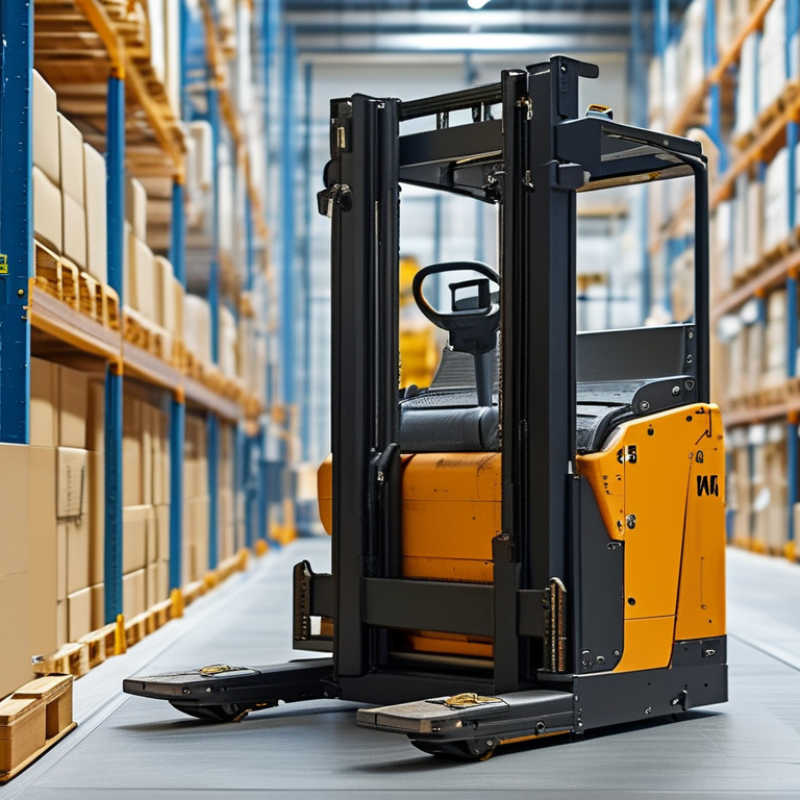
Define the Stacking Machine’s Purpose and Operating Requirements
Choosing a stacking machine starts with its job, not its advertised speed. Is it building stable pallets, stacking empty containers, or arranging cartons for storage? Define product dimensions, weight, surface friction, pallet size, and daily volume. Record the fastest and heaviest cases. Small variations can change the required gripper, column strength, and control logic. Purpose comes first.
Translate operations into measurable requirements. Calculate cases per hour from available production time, excluding breaks, changeovers, and planned cleaning. Specify the target pattern, acceptable overhang, layer count, and recovery method after a jam. Check ceiling height, floor loading, aisle access, ambient temperature, dust, and washdown exposure. A machine that fits the carton may still fail the workplace. MHI’s 2024 Annual Industry Report found that 55% planned to increase supply-chain technology investment. Investment alone does not fix unclear requirements. The first estimate is often wrong.
Use evidence before approving capacity. The International Federation of Robotics reported about 86,000 logistics robots installed worldwide in 2023. That represented 24% annual growth. This trend supports automation, yet it does not prove every stacking task needs full automation. Compare manual handling data, injury risks, labor availability, and peak-season demand. Request tested cycle times using real cartons and pallet patterns. Include safe access, guarding, inspection, and operator training in the specification. Pilot trials reveal awkward products and unstable layers that simulations can miss. That distinction matters. A slower machine with reliable recovery may outperform a faster machine that stops frequently.
Evaluate Workspace Layout, Material Compatibility, and Safety Features
How to Choose the Right Stacking Machine?
Choosing the right stacking machine starts with the actual workspace, not catalog capacity. Measure aisle width, rack height, turning radius, floor slope, and doorway clearance. Leave room for pedestrians and emergency access. A machine that fits on paper may scrape a column during a tight turn. That happened in a crowded storeroom I assessed. The layout drawing was accurate, but stored pallets had narrowed the route. Real conditions matter.
Material compatibility depends on load shape, weight distribution, and surface condition. Test whether forks, platforms, or clamps support the load without crushing edges or shifting contents. Check pallet dimensions and entry points. Dust, moisture, heat, and corrosive residues can affect components and controls. Review rated capacity at the actual lift height; capacity often falls as height increases. Ask for load charts and maintenance records. Do not rely on a single sales claim.
Safety features should match the risks operators face daily. Look for visibility aids, guarded controls, emergency stopping, stable braking, and controlled lowering. Speed limits, warning systems, and operator training also matter. A sensor is useful, but it cannot replace clear walkways. Verify inspection routines against the manual and applicable workplace rules. A qualified safety professional should review the risk assessment before purchase. My early checklist missed battery-charging ventilation. It was an embarrassing omission, and an important reminder.
How to Choose the Right Stacking Machine?
Use the weighted evaluation model below to compare workspace layout, material compatibility, safety features, throughput, maintenance access, and energy use before selecting a stacking machine. The percentages represent a practical baseline for a general warehouse application and should be adjusted to match site-specific requirements.
Interpretation: Workspace layout, material compatibility, and safety features receive the highest weights because they directly affect installation fit, load stability, operator protection, and long-term reliability.
Assess Automation Levels, Controls, Maintenance, and Integration
Choosing the right stacking machine starts with the required automation level, not the highest specification. A manual system may suit low-volume production and frequent product changes. A semi-automatic machine can reduce lifting while keeping operators involved. Fully automatic equipment works better when output is steady, layouts are fixed, and labor availability is limited.
Controls deserve close attention. Operators should adjust speed, stack height, and product spacing without complicated menus. Clear alarms can shorten downtime. I also check whether sensors detect misaligned products, damaged loads, or empty conveyors. During equipment reviews, I prefer testing controls with real packages, because demonstrations often look smoother than daily production. That assumption can fail.
Maintenance planning affects the machine’s true cost. Ask how quickly technicians can reach motors, belts, sensors, and safety devices. Review lubrication points, spare-part access, and fault history. A clean design matters. Dust, loose film, and changing package sizes can expose weaknesses quickly. I once underestimated the value of tool-free access; a small adjustment then consumed an entire shift. Integration requires equal care. Confirm communication with conveyors, scanners, warehouse software, and emergency-stop circuits. Use documented signals and clear ownership between suppliers and plant teams. Poor integration may leave an efficient stacker waiting for information it never receives. Test normal operation, restart behavior, and failure recovery before approving the final layout.
Calculate Total Costs, Efficiency Gains, and Long-Term Value
How to Choose the Right Stacking Machine?
The purchase price is only the visible cost. Include installation, software, training, spare parts, energy, and planned downtime. A practical calculation compares five years of total ownership costs with labor savings, higher throughput, fewer product damages, and reduced rework. MHI’s 2024 Annual Industry Report found that 55% of supply chain professionals planned to increase investment in innovation. That investment still needs disciplined measurement. The first spreadsheet is rarely right.
Measure your current operation before requesting quotations. Record cases handled per hour, operator hours per shift, stacking errors, changeover time, and peak-season delays. Then test each machine against the same load pattern, including uneven cartons and short production runs. Small details matter. A two-minute changeover repeated 30 times daily can become hundreds of hours annually. Also check usable uptime, service response, safety features, and integration requirements. A faster machine may create congestion at the conveyor exit.
Long-term value depends on flexibility, not speed alone. MHI’s 2024 report also identified labor availability as a continuing concern for many supply chain organizations. Choose equipment that can support different pallet sizes, future line changes, and reasonable maintenance access. Calculate payback, but challenge the result with sensitivity testing. What happens if volume falls 15%? What if labor savings arrive later? A lower-cost machine may win today, yet become expensive when your product mix changes. Industry reports provide useful benchmarks, not guaranteed outcomes. Test the assumptions on your own floor.
How to Choose the Right Stacking Machine? - Calculate Total Costs, Efficiency Gains, and Long-Term Value
| Machine Type | Typical Purchase Cost
(USD) | Rated Capacity | Maximum Lift Height | Required Aisle Width | Typical Handling Rate | Energy Use | Annual Maintenance | 5-Year Total Cost of Ownership | Labor Reduction vs. Manual | Estimated Payback vs. Manual | Best-Fit Application |
| Manual Hydraulic Stacker | $2,000–$3,500 | 1,000 kg | 1.6 m | 2.2–2.6 m | 15 pallets/hour | None | $300/year | $244,000 | Baseline | Baseline | Low-volume work, short travel distances, and occasional pallet positioning. |
| Walkie Electric Stacker | $6,000–$10,000 | 1,500 kg | 3.0 m | 2.4–2.8 m | 30 pallets/hour | Approximately 1.5 kWh/hour | $900/year | $135,750 | 50% | Approximately 3 months | Small and medium warehouses requiring frequent stacking in narrow aisles. |
| Electric Straddle Stacker | $9,000–$15,000 | 1,500 kg | 3.5 m | 2.5–2.9 m | 35 pallets/hour | Approximately 2.0 kWh/hour | $1,200/year | $125,857 | 57% | Approximately 5 months | Regular pallet movement, moderate lift heights, and operations needing improved stability. |
| Electric Counterbalance Stacker | $18,000–$28,000 | 2,000 kg | 4.5 m | 3.0–3.5 m | 45 pallets/hour | Approximately 4.0 kWh/hour | $1,800/year | $120,000 | 67% | Approximately 8 months | High-throughput facilities, heavier loads, and frequent high-level stacking. |
| Cost model used for comparison: 30,000 pallet moves per year, 2,000 operating hours per year, labor cost of $24 per hour, electricity cost of $0.15 per kWh, five-year ownership period, routine maintenance included, and one battery replacement during the ownership period where applicable. TCO includes purchase cost, labor, energy, planned maintenance, and battery replacement. Financing, taxes, downtime, resale value, and site modifications are excluded. |