

BLOG

How to Choose the Right Crushing Machine?

Choosing the right Crushing Machine is a production decision, not merely a purchasing decision. Material hardness, feed size, moisture, capacity, and final product shape all influence the result. A machine that performs well in a dry granite quarry may struggle with sticky limestone. Small details matter. The wrong choice can increase energy use, downtime, and liner wear.

Industry data shows why careful selection matters. The U.S. Geological Survey’s Mineral Commodity Summaries 2025 estimated U.S. crushed stone production at roughly 1.5 billion metric tons in 2024. This scale reflects constant demand for reliable aggregate processing. Grand View Research also identifies construction growth, infrastructure investment, and mining activity as major drivers of the global crushing equipment market. However, market forecasts vary between research firms. That difference deserves attention, rather than blind acceptance.

This guide explains how to compare jaw, cone, impact, and gyratory crushers for specific operating conditions. It considers reduction ratios, throughput, maintenance access, operating costs, and safety controls. A quarry manager may prioritize ruggedness and simple servicing. A recycling contractor may need mobility and strong metal separation. Neither application has one universal answer. Field experience, manufacturer test results, and verified performance data should support the final decision. Even experienced teams sometimes underestimate moisture or fluctuating feed sizes. That mistake is avoidable. A practical evaluation begins with representative material samples, realistic production targets, and clear lifecycle-cost calculations.
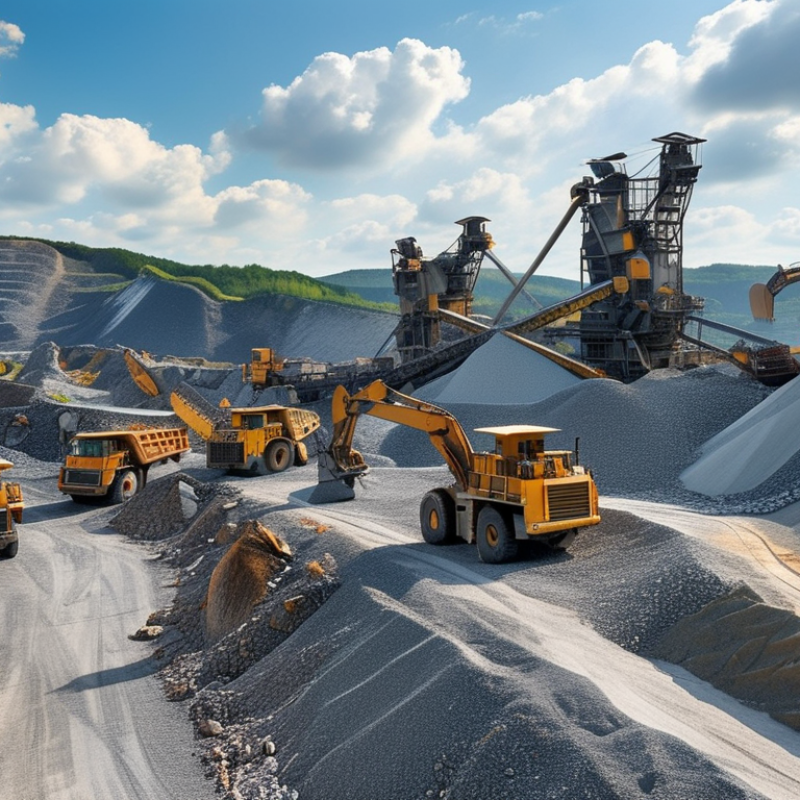
How to Choose the Right Crushing Machine?

Understanding Crushing Machine Types and Their Main Functions

How to Choose the Right Crushing Machine?

Start with the feed. A jaw crusher is commonly used for primary crushing because it accepts large, irregular stones. Its simple compression action suits hard rock and recycled concrete. A gyratory crusher handles very high capacities, but it usually needs more space and careful installation.

Measure the largest feed size before choosing. Guessing here can create blockages, downtime, and unnecessary repairs.

Cone crushers reduce already-processed material into a more uniform shape. They work well with abrasive stone and are useful in secondary or tertiary stages.

Impact crushers use rapid blows, producing cubical particles from softer or moderately hard material. They can perform well with concrete, limestone, and certain recycled aggregates.

Moisture changes everything. Wet, sticky feed may clog impact chambers or screens, even when the machine appears powerful enough.

I have seen a production plan fail because output size was treated as the only target.

Capacity, reduction ratio, moisture, abrasiveness, and maintenance access must be checked together.

A small jaw crusher may be practical for a limited site, while a cone unit may better support continuous production.

Review sample material through controlled testing when possible. That choice matters.

Also check wear patterns after several shifts, not just on installation day.

The first selection may need adjustment.

Real operating data often challenges the original calculation.

Identifying Material Properties and Crushing Requirements

How to Choose the Right Crushing Machine?

Material properties should guide every crushing decision. Start with hardness, compressive strength, abrasiveness, moisture, and particle shape. Hard rock usually needs a compression-based machine with strong wear protection. Softer, less abrasive material may suit impact crushing. Moisture changes everything.

The USGS Mineral Commodity Summaries 2024 estimated U.S. crushed stone production at about 1.9 billion metric tons in 2023. Construction sand and gravel production reached roughly 960 million metric tons. These volumes show why capacity, energy use, and maintenance cannot be treated separately. A machine processing 300 tons per hour needs different feed control from one handling 60 tons per hour. Oversized feed can cause blockages. Excess fines can reduce screening efficiency.

Measure the feed before choosing equipment. Record the maximum lump size, average moisture, bulk density, and target product grading. The required reduction ratio also matters. A large reduction in one stage may increase wear and generate unwanted fines. A staged circuit can offer better control, though it needs more space and coordination.

The U.S. Geological Survey data provides useful market context, but local testing remains essential. Laboratory results may not represent sticky quarry material after rainfall. This is where selection often becomes imperfect. Pilot trials, wear monitoring, and operator feedback can reveal problems that specifications miss. Allow room for seasonal changes and gradual liner wear. Small assumptions become expensive at full production.

Matching Machine Capacity to Production and Feed Conditions

How to Choose the Right Crushing Machine?

Choosing a crushing machine begins with the required production rate, not the largest advertised capacity. Record the target output in tonnes per hour, including normal and peak demand. A machine rated for 100 tonnes per hour may produce less with wet, sticky, or highly abrasive feed. Measure the feed size, moisture, hardness, and shape before selecting equipment. A 600-millimetre rock may need a different crushing stage than a 150-millimetre feed. The reduction ratio also matters. Excessive reduction in one stage can increase wear, energy use, and uneven product sizes.

Tips: Compare expected capacity with real operating conditions. Leave practical room for surges. Check discharge size and screen efficiency together. Ask for test data when the feed is unusual. Small details matter.

In daily operation, keep the crusher supplied evenly. An empty chamber wastes available capacity, while overloading can cause blockages and unstable output. Consider the material’s abrasiveness when estimating liner life and maintenance intervals. Dust control, access for inspections, and safe clearing procedures also affect production. I have seen careful capacity calculations fail because the feed was measured only at the stockpile. Recheck it near the machine. A clean spreadsheet can still mislead. Allowing a modest safety margin is sensible, but excessive capacity may increase purchase and running costs without improving production.

Comparing Energy Use, Maintenance Needs, and Operating Costs

Choosing a crushing machine requires more than comparing purchase prices. Energy use, maintenance frequency, and operating costs often determine the real payback. The U.S. Department of Energy’s Mining Industry Energy Bandwidth Study estimated that comminution can consume about one-quarter of total mining energy. That figure makes motor efficiency and material throughput important during equipment selection.

A practical comparison should include energy per tonne, liner life, spare-part prices, and the time needed for routine service. The U.S. Department of Energy’s Operations and Maintenance Best Practices Guide reports that effective maintenance programs can reduce maintenance costs by 10% to 20% in industrial facilities. In a crushing plant, this may mean checking bearings before dawn, cleaning blocked chutes, and recording vibration trends after every shift. Small failures become expensive quickly.

Operating conditions also change the calculation. Wet feed, abrasive rock, and irregular particle sizes can increase power demand and wear. A machine with lower initial energy use may require more frequent liner replacement. That is not always a saving. The Global Mining Guidelines Group recommends using lifecycle cost analysis rather than purchase price alone. However, laboratory results can mislead when field conditions are harsher. A trial run with actual feed material is more reliable. Engineers should compare measured tonnes per kilowatt-hour, downtime hours, and maintenance labor across several operating weeks. Data is rarely perfect. Decisions should admit that uncertainty.

Checking Safety Features, Flexibility, and Long-Term Reliability

Choosing the right crushing machine starts with safety, not maximum output. Inspect guarding around belts, shafts, and discharge points. Emergency stops should be visible, reachable, and tested regularly. A clear control panel reduces mistakes during noisy shifts. Check whether the machine supports safe lockout procedures and practical cleaning access. I once saw a unit with strong production numbers but poor inspection access. Maintenance became slower than expected.

Flexibility matters when material changes. Look for adjustable discharge settings, suitable feed-size ranges, and simple wear-part replacement. A machine handling limestone today may face recycled concrete tomorrow. Dust-control connections and noise-reduction options can also improve working conditions. Do not trust brochure figures alone. Ask for operating data from similar materials, then observe a trial if possible. Small differences in moisture can affect performance.

Tips: Review the safety manual with operators. Measure the actual feed material. Check spare-part availability and service response times. Examine bearings, liners, and seals during a planned inspection. Keep maintenance records, even when nothing seems wrong. Reliability is built through routine care, but the machine should make that care realistic.

How to Choose the Right Crushing Machine?

Comparing safety features, operating flexibility, and long-term reliability across common crusher types.

The chart uses a typical 1–5 engineering screening scale based on common machine characteristics: 1 indicates a lower relative suitability and 5 indicates a higher relative suitability. Final selection should also consider feed material, required capacity, maintenance access, guarding, emergency-stop systems, and site conditions.

Go to Top
