

How to Buy Used Cars Online Worldwide?
Buying Used Cars online can connect a buyer in London, Dubai, Toronto, or Singapore with vehicles far beyond local inventory. Yet the screen hides important details. Mileage, accident history, ownership records, taxes, and shipping conditions require careful verification.
Market data explains why this channel deserves attention. Cox Automotive’s 2024 Used-Vehicle Market Report estimated 36.2 million used-vehicle sales in the United States during 2024. Its analysis also showed that online tools increasingly influence vehicle research, valuation, and transactions. The market is large. It is not automatically transparent. S&P Global Mobility reported that the average age of vehicles on U.S. roads reached about 12.6 years in 2024, highlighting the importance of maintenance records and condition checks. Older vehicles may offer lower prices, but they can bring higher repair risks.
A reliable international purchase begins with evidence, not attractive photographs. Compare the seller’s identity, vehicle identification number, inspection report, service invoices, and payment instructions. Request clear images of the tires, dashboard warnings, underbody, and door-frame label. Small details matter. Deloitte’s 2024 Global Automotive Consumer Study found that price, operating costs, and trust remain influential in automotive decisions across major markets. Buyers should also confirm import eligibility, registration requirements, duties, insurance, and delivery responsibilities in the destination country. These rules vary widely. A professional inspection may cost more upfront, yet it can prevent an expensive mistake later. I would not trust a listing simply because it looks polished. Online buying is convenient, but certainty must be built step by step.
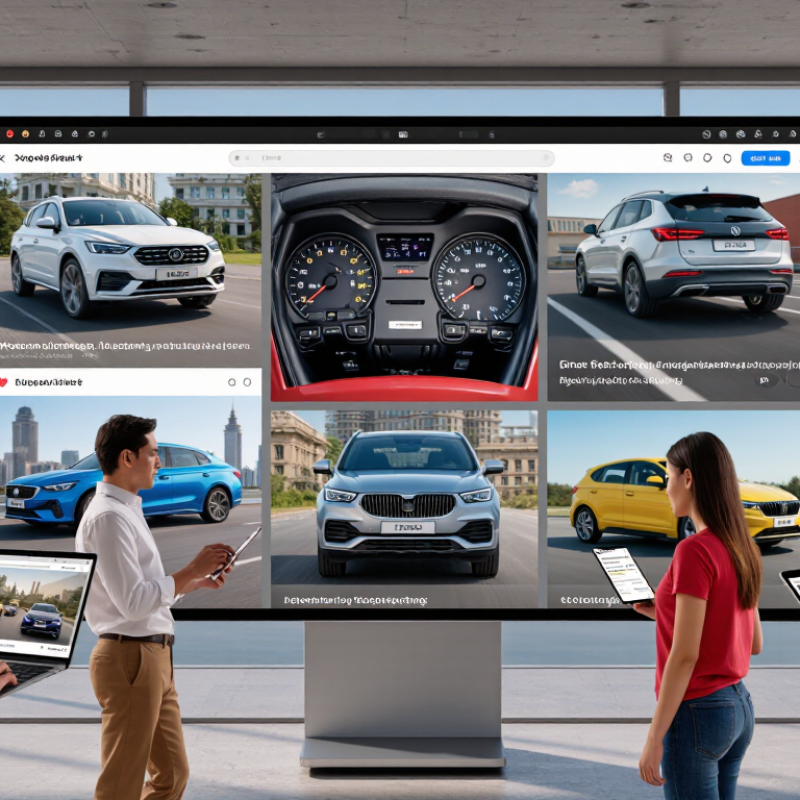
Define Your Budget, Needs, and Target Vehicle
Buying a used car online starts with a number, not a browsing session. Set a total budget covering the price, taxes, registration, shipping, insurance, and repairs. A 2024 used-vehicle market report placed the United States average listing price near $25,000. Extra fees can quickly change affordability. Leave at least 10% for repairs when service records are incomplete. That cushion matters.
Define needs through real journeys. Write down passenger count, cargo dimensions, fuel type, transmission, terrain, and maximum age. The International Energy Agency reported that electric cars exceeded 18% of global new-car sales in 2023. However, used availability and charging access remain uneven worldwide. Do not choose an electric vehicle only because it seems modern. Check local chargers, battery warranty rules, and cold-weather range. A compact car may suit city streets but fail a weekly equipment run. That distinction is easy to miss.
Create a target-vehicle sheet with mileage limits, safety equipment, service intervals, and three non-negotiables. Request an independent inspection, vehicle-history check, and clear underside photos before payment. Safety authorities advise checking recalls by vehicle identification number, although coverage differs between countries. Ask for import documents and proof of ownership. Compare five similar listings, then question unusually low prices. A live video inspection can reveal warning lights, uneven panel gaps, tire wear, or cold-start problems. Screenshots are not proof. My initial budget might still be too optimistic after freight, exchange-rate movement, and local compliance costs.
How to Buy Used Cars Online Worldwide? — Define Your Budget, Needs, and Target Vehicle
| Planning Dimension | Recommended Target | Why It Matters | Online Buying Check |
|---|---|---|---|
| Total purchase budget | Set a maximum all-in budget, not only the advertised vehicle price. | International purchases may include transport, insurance, taxes, registration, inspection, and repair costs. | Request a written cost breakdown in the destination country’s currency. |
| Contingency reserve | Keep approximately 10%–15% of the planned vehicle budget for unexpected expenses. | Used vehicles can require immediate maintenance, replacement parts, or compliance work. | Do not commit the entire budget to the purchase price. |
| Primary use | Choose one main purpose: commuting, family transport, long-distance travel, work use, or recreation. | The use case determines body style, fuel type, cargo capacity, comfort, and running costs. | Compare the vehicle specification with your daily route, climate, road conditions, and parking space. |
| Passenger and cargo needs | Record the usual number of passengers and the minimum luggage or cargo volume required. | A vehicle that is too small may create higher replacement costs shortly after purchase. | Check interior measurements, seat configuration, folding-seat details, and payload information. |
| Vehicle age | Compare vehicles within a narrow age range, such as 3–8 years old. | Age affects depreciation, safety equipment, maintenance needs, emissions compliance, and import eligibility. | Verify the first-registration date using official title or registration documents. |
| Mileage | Use mileage as one indicator; compare it with vehicle age, service history, and condition. | Low mileage alone does not prove good condition, while high mileage can be acceptable with documented maintenance. | Check odometer records, inspection reports, service invoices, and wear on pedals, seats, and steering wheel. |
| Powertrain and fuel | Select petrol, diesel, hybrid, or electric power according to local fuel availability and regulations. | Fuel prices, charging access, battery condition, emissions rules, and repair expertise vary by country. | Confirm charging standards, battery warranty status, emissions classification, and service availability. |
| Safety requirements | Prioritize a documented crash-safety rating, airbags, electronic stability control, and driver-assistance features where available. | Safety equipment and regulations can differ between markets and model years. | Confirm the exact market specification rather than relying on photos or a general model description. |
| Ownership and service history | Prefer complete records showing scheduled maintenance, repairs, inspections, and ownership changes. | Documented history helps identify neglected maintenance, inconsistent mileage, and repeated faults. | Ask for readable copies of invoices, inspection certificates, title documents, and maintenance records. |
| Accident and flood risk | Avoid unclear damage history, structural repairs, flood exposure, or fire damage. | Hidden structural or electrical damage can create significant safety and repair problems. | Arrange an independent physical inspection and compare paint, panel gaps, underbody, wiring, and diagnostic results. |
| Independent inspection | Complete an inspection before payment or make the purchase conditional on an acceptable report. | Photos and seller descriptions cannot reliably confirm mechanical, electrical, or structural condition. | Use a qualified inspector who is independent of the seller and provides dated photographs. |
| Ownership documents | Require a valid title or registration document that matches the vehicle identification number. | Missing, altered, or mismatched documents can prevent export, import, registration, or resale. | Verify the vehicle identification number on the car, documents, invoice, and inspection report. |
| Import eligibility | Confirm age limits, emissions rules, safety standards, left- or right-hand-drive requirements, and prohibited vehicle categories. | A vehicle may be legally saleable in its source country but impossible or expensive to register elsewhere. | Check official customs and transport-authority rules before bidding or sending a deposit. |
| Taxes and duties | Calculate customs duty, import tax, value-added or sales tax, port fees, and registration charges. | Taxes may be based on customs value, engine size, emissions, vehicle age, or declared transaction value. | Obtain an estimate from the destination customs authority or a licensed customs broker. |
| Shipping method | Compare container shipping with roll-on/roll-off shipping based on cost, security, and vehicle condition. | Shipping time and price depend on route, port, vehicle size, season, and handling requirements. | Request the route, estimated transit time, port charges, insurance coverage, and delivery responsibilities in writing. |
| Payment protection | Use a traceable payment method with clear terms, documented invoices, and appropriate buyer protection. | Irreversible payments and pressure to pay outside the agreed process increase fraud risk. | Confirm the recipient’s legal identity, contract terms, refund conditions, and payment milestones. |
| Currency and exchange risk | Allow for exchange-rate changes between quotation, payment, shipping, and customs clearance. | A changing exchange rate can alter the final cost even when the vehicle price is fixed. | Record the exchange rate, payment currency, transfer fees, and who bears conversion charges. |
| Final decision rule | Buy only when the vehicle meets your needs, passes inspection, has verifiable documents, and fits the all-in budget. | A low listing price does not compensate for uncertain ownership, compliance, condition, or delivery costs. | Use a written checklist and walk away when essential information cannot be independently verified. |
Our Promise to You

Contact IPM
Phone: 937.898.3775
Fax: 937.535.0640
Email: sale@endtheplastic.com