

Finding the best sock machine price in 2026 requires more than comparing online quotations. A machine listed at USD 18,000 may exclude installation, needles, software, freight, or operator training. The final cost can rise quickly beside a busy production line.
Industry data supports a careful approach. The International Textile Machinery Federation’s International Textile Machinery Shipment Statistics tracks global machinery investment and shipment trends, including knitting equipment. Its reports show that textile machinery demand changes with production capacity, regional investment, and replacement cycles. However, the report does not provide a universal benchmark for every hosiery machine. That limitation matters. General textile data cannot fully explain the Machine Price Socks for a specific model.
Market research from Grand View Research and similar textile industry reports also indicates continuing demand for hosiery and automated knitting equipment. Yet, market growth does not guarantee a lower purchase price. A factory ordering ten machines may receive better terms than a small workshop buying one. Brand reputation, cylinder size, gauge, output speed, and energy consumption all influence the quotation.
Look closely at the details.
A practical comparison should calculate cost per pair, not only the invoice price. Ask suppliers for test samples, warranty terms, spare-part availability, and local service response times. Examine the control panel, yarn feeders, and needle condition during a factory visit. These details often reveal more than polished brochures.
I have seen buyers focus too heavily on the lowest offer. That approach can fail. A cheaper machine may create higher downtime, more waste, and slower technical support. The comparison is not perfect, but a transparent total-cost worksheet creates a more reliable decision.
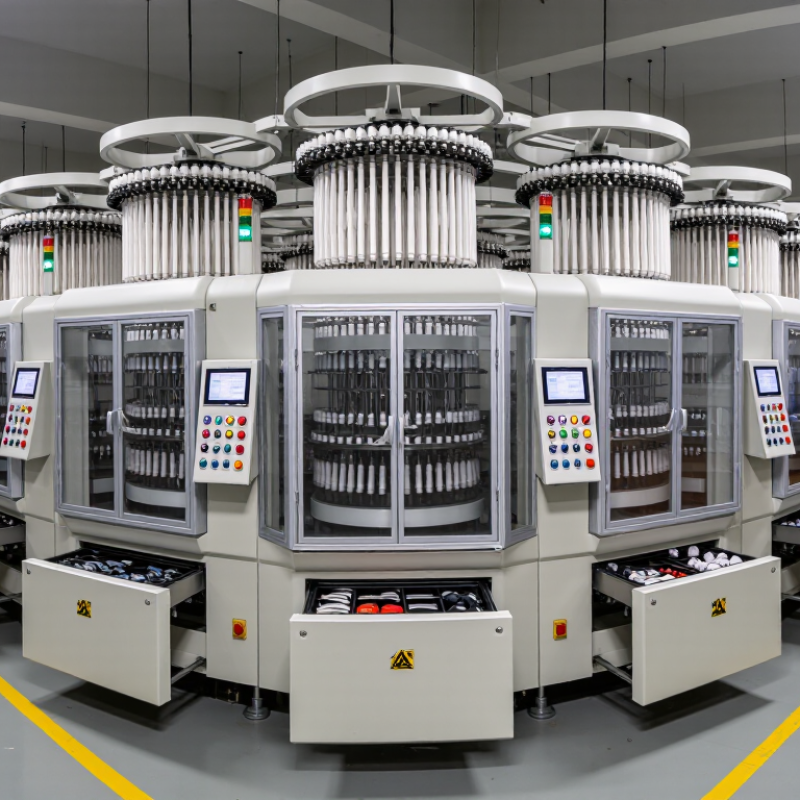
Before comparing a sock machine price in 2026, define the product you will actually manufacture. A basic crew sock needs different specifications from compression, athletic, or seamless fashion socks. Record daily targets, yarn types, sizes, patterns, and acceptable defect rates. Grand View Research estimated the global hosiery market at approximately 42 billion U.S. dollars in 2023. That scale suggests opportunity, but it does not justify buying the fastest machine.
Start with production mathematics. A machine producing 400 pairs daily may suit a small workshop, while a contract order may require several units and continuous operation. Check cylinder diameter, needle count, gauge, knitting speed, color capacity, and toe-closing compatibility. Textile Exchange reported that polyester represented about 57% of global fiber production in 2023. Therefore, confirm whether the machine handles polyester blends, recycled yarns, cotton, and elastane without unstable tension.
Price is only one line.
Request output data under your yarn and pattern conditions, not laboratory settings. Ask about power consumption, spare needles, software training, installation, and local maintenance response. A lower purchase price can become expensive after repeated stoppages. This is where estimates often fail. The machine may meet its advertised speed, yet your real output may fall because operators change yarns frequently. Build a 10–15% capacity buffer, then test a sample run before signing. Review shipment and technology trends in the International Textile Machinery Federation’s 2024 statistics, but treat industry averages as guidance, not proof for your factory.
Indicative purchasing guide for new and used sock machines. Actual quotations vary according to automation level, configuration, needle count, accessories, shipping, installation, and local taxes.
| Production Requirement | Recommended Machine Configuration | Typical Output (Pairs/Day) | Indicative New Price (USD) | Indicative Used Price (USD) | Needle Range | Electrical Requirement | Best Application |
|---|---|---|---|---|---|---|---|
| Prototype or home-based production | Entry-level automatic sock machine with basic pattern control | 80–180 | $3,000–$7,000 | $1,500–$4,000 | 84–200 | Single-phase, approximately 0.8–1.5 kW | Sampling, custom orders, small online businesses, and product development |
| Small commercial workshop | Automatic single-cylinder machine with toe-closing capability or compatible linking equipment | 180–320 | $6,000–$12,000 | $3,000–$7,000 | 96–200 | Single-phase or three-phase, approximately 1.2–2.2 kW | Basic cotton, sports, casual, and private-label sock production |
| General-purpose factory production | Computerized single-cylinder machine with multi-feed yarn control and automatic pattern change | 250–450 | $9,000–$18,000 | $4,500–$10,000 | 96–240 | Three-phase preferred, approximately 1.5–3.0 kW | High-volume men’s, women’s, children’s, athletic, and fashion socks |
| Fine-gauge and premium socks | High-precision computerized single-cylinder machine designed for fine yarns and detailed patterns | 220–400 | $12,000–$24,000 | $6,000–$13,000 | 144–240 | Three-phase, approximately 1.8–3.0 kW | Fine dress socks, lightweight fashion socks, and detailed jacquard designs |
| Thick, athletic, or work socks | Heavy-duty single-cylinder machine with reinforced knitting and higher yarn capacity | 180–350 | $10,000–$20,000 | $5,000–$11,000 | 84–168 | Three-phase, approximately 2.0–3.5 kW | Sports socks, thermal socks, work socks, terry socks, and cushioned products |
| Premium double-layer or technical socks | Computerized double-cylinder machine with independent cylinder control | 180–350 | $15,000–$30,000 | $7,000–$16,000 | 84–200 | Three-phase, approximately 2.0–4.0 kW | Rib structures, graduated compression designs, technical socks, and complex textures |
| Large-scale automated production | Computerized production line with multiple sock machines, automatic toe closing, boarding, and inspection equipment | 1,500–5,000+ per line/day | $80,000–$250,000+ per line | $40,000–$140,000+ per line | 84–240 | Three-phase plant power; total load depends on line size | Contract manufacturing, export production, and consistent high-volume orders |
Price-check priorities: Confirm the machine’s actual pairs-per-day rate for your specific sock design, yarn type, size range, and operating schedule. Also include toe-closing, boarding, compressors, spare needles, software, operator training, delivery, installation, maintenance, and import costs when comparing the total 2026 investment.
The best sock machine price depends on capability, not the lowest quotation. Single-cylinder machines suit basic athletic socks and simpler patterns. Double-cylinder machines create more shaped heels, toes, and rib structures. Terry machines add cushioning, while specialized systems support compression or technical socks. Ask for the needle count, gauge range, feeder quantity, and compatible yarn types. These details reveal real production value.
Features must match your manufacturing plan.
Automatic toe closing can reduce handling, but it may increase maintenance demands. Pattern software improves design flexibility, although operators need proper training. According to Textile Exchange’s Materials Market Report 2024, polyester represented about 57% of global fiber production in 2023. Therefore, check whether the machine handles recycled polyester, cotton blends, elastane, and regenerated fibers consistently. Small tests matter.
Look at manufacturing capability, not brochure speed. Request sample socks using your yarn, target size, and intended pattern. Record production time, rejected pairs, power use, and adjustment frequency. The International Textile Machinery Federation reports continuing investment in automated textile equipment, but automation does not remove every quality problem. A cheaper machine can look efficient on paper. My own comparisons sometimes failed there. Service access, spare-part availability, and technician response can outweigh a modest price difference. Also compare cylinder replacement costs and software fees before calculating the five-year ownership cost.
How to Find the Best Sock Machine Price in 2026?
A low machine price can hide expensive operating problems. Compare delivered quotations, not brochure prices. Include the machine, needles, software, installation, training, freight, duties, and spare parts. The ITMF International Textile Machinery Shipment Statistics 2024 reported about 41,000 large circular knitting machines shipped in 2023. Shipments fell sharply from the previous year. This suggests cautious investment and stronger negotiation opportunities, but it does not guarantee lower sock-machine prices.
Calculate total cost of ownership over five years. Use this formula: purchase cost plus installation, electricity, labor, maintenance, downtime, financing, and consumables. The U.S. Energy Information Administration reported industrial electricity prices around 8–9 US cents per kilowatt-hour in 2024. Your local tariff may be much higher. Record the machine’s actual hourly consumption during a production trial. Never rely only on the supplier’s rated figure.
A practical test uses one week of production data. Measure pairs per hour, rejected socks, needle replacement, and cleaning time. Then divide total monthly costs by sellable pairs. My first estimate once ignored downtime. It looked efficient on paper. It was not. Ask for maintenance records and a written spare-parts schedule. Check whether technicians are available locally. A cheaper machine may lose its advantage after repeated stoppages. Leave a realistic contingency budget, perhaps 10–15 percent, because installation delays and unexpected repairs are common. The best price is the lowest verified cost per acceptable pair.
Finding the best sock machine price in 2026 requires more than comparing online figures. A low quotation may exclude needles, software updates, installation, or shipping insurance. Ask suppliers for an itemized pro forma invoice. Check output using your planned yarn, sock size, and daily production target. Request a live test or dated production video. Real evidence matters.
Supplier experience should appear in technical documents, operator references, and response times. Ask who will install the machine and how many training hours are included. Good training covers threading, pattern setup, tension adjustment, cleaning, and fault diagnosis. A short video call helps, but it cannot replace hands-on practice. Test one sample design before ordering. Small patterns can reveal hidden limits.
Read the warranty line by line. Confirm coverage for the cylinder, motors, control board, and labor. Ask whether replacement parts are stocked locally and how quickly they ship. After-sales support should include service channels, maintenance schedules, and remote troubleshooting. Get these promises in writing. Be cautious with unusually long warranties that exclude most working parts. Buyers often focus on purchase price, then discover costly downtime during peak orders. That mistake is easy to repeat. Budget for training, spare needles, and a first-year service visit.
How to Find the Best Sock Machine Price in 2026?
A low price does not always mean strong value. In 2026, compare machine quality before comparing final quotes. Inspect the cylinder, needles, yarn feeders, control panel, and frame. These parts affect stitch consistency and daily output. Ask for close-up photos, live production videos, and recent test records. A clean sample sock should show even tension, firm heels, and smooth toe closing.
In practice, calculate the full purchase cost. Include shipping, installation, training, spare needles, software updates, and routine maintenance. A machine priced lower may require frequent adjustments. That difference can become expensive within one season. Request a written warranty with clear response times. Reliable technical support matters when a sensor fails during a busy production week. Check whether replacement parts are available locally or within a predictable delivery period.
I once focused too heavily on the quoted price. That was a mistake. The cheaper option had weaker documentation and a confusing control interface. Operators needed extra time to learn basic settings. Measure your expected daily production, yarn types, available floor space, and worker experience. Then compare at least three detailed offers using the same requirements. Do not trust impressive claims without evidence. A practical trial run may reveal vibration, noise, uneven knitting, or difficult cleaning access. These details are easy to overlook. They should not be.
Compare the purchase price with machine capability, automation, production efficiency, and quality-verification requirements before selecting the best value.
The chart shows indicative 2026 new-machine market ranges for common sock-machine configurations. Prices are shown in USD and represent equipment only, excluding shipping, taxes, installation, molds, spare parts, and operator training. A higher price should be justified by automation level, needle configuration, output stability, energy efficiency, warranty coverage, and the availability of replacement parts and technical service.
All products and services provided by Innovative Plastic Molders, Inc. will meet or exceed our customer's perceived requirements and expectations. We will listen and respond to what our customers are telling us in a timely and forthright manner.

ISO 9001:2015 CERTIFIED
© Copyright 2009 – Innovative Plastic Molders, Inc.
Website by Central 8 Marketing
10451 Dog Leg Road Ste 200
Vandalia, OH 45377
Phone: 937.898.3775
Fax: 937.535.0640
Email: sale@endtheplastic.com

