How to Choose the Right Plastic Trim for Your Projects?
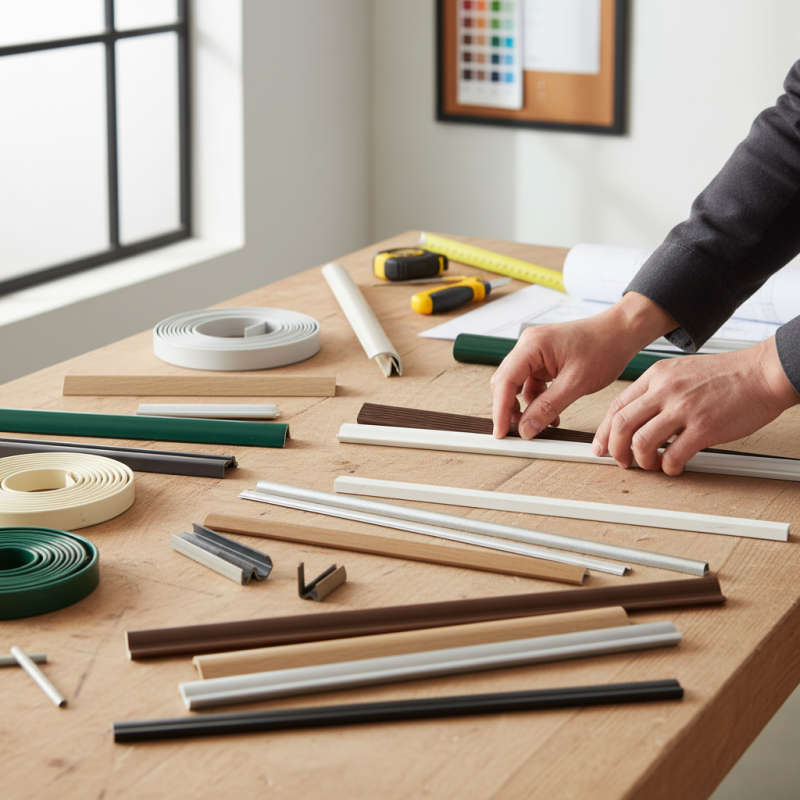
Choosing the right plastic trim for your projects can be daunting. With numerous options available, it's essential to understand their characteristics. Plastic trim is not only functional but also adds aesthetic appeal to any project.
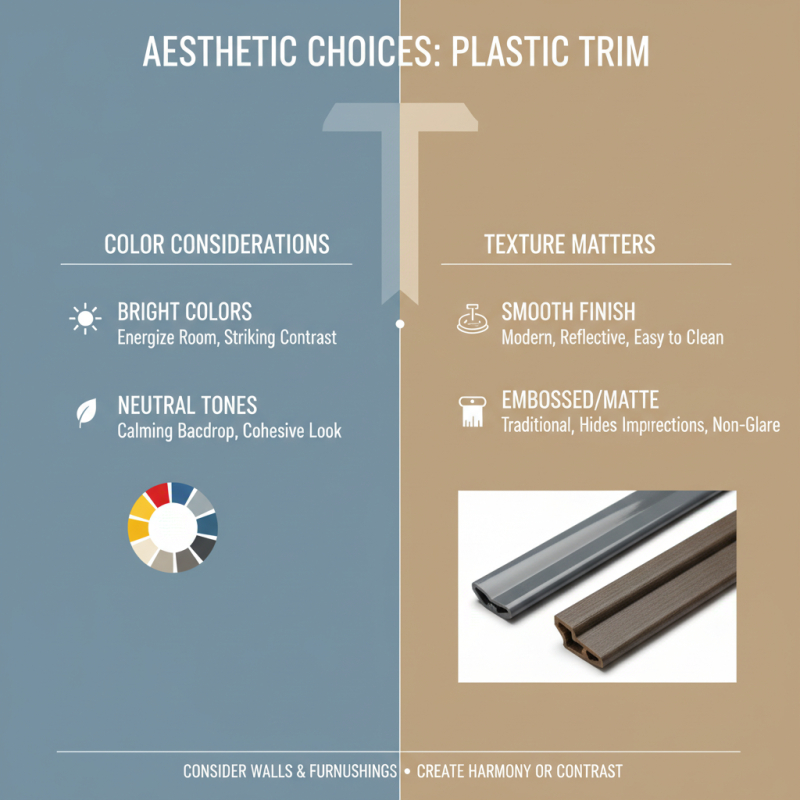
When selecting, consider material quality and durability. Different types of plastic offer various benefits. Some trim is weather-resistant, while others might be more suitable for indoor use. Pay attention to colors and finishes as well, as these can greatly influence the final look.
Be mindful of how the plastic trim will fit into your overall design. A mismatch can detract from your project’s appeal. Reflecting on your choices is key. Don’t rush the decision-making process. Take time to rightfully assess your needs and preferences.
Understanding the Different Types of Plastic Trim Available
When choosing plastic trim for your projects, it's essential to understand the various types available. One prominent option is PVC trim, known for its durability and resistance to moisture. It's often used in exterior applications like siding and window casings. However, while PVC is sturdy, it may not suit all aesthetic preferences.
Another type is polyurethane trim, which mimics the look of wood beautifully. This option is lightweight and can be painted easily. Yet, it may not be as weather-resistant as PVC. Consider where the trim will be installed. Indoor projects can benefit from polyurethane, while outdoor uses might call for something more resilient.
Tips: Always check material specifications before purchasing. Ensure it matches your project's requirements in terms of durability and weather resistance. Don't overlook the installation method either. Some trims require specific adhesives or fasteners that can affect your overall project timeline. Reflect on your choices and think about how they impact long-term use and maintenance.
Factors to Consider When Selecting Plastic Trim for Projects
When selecting plastic trim for your projects, several factors are crucial. Start by considering the material type. Different plastics offer varying durability and flexibility. For example, PVC is strong but can be brittle. In contrast, polyurethane is more flexible and durable, making it suitable for challenging applications.
Next, think about the environment where the trim will be used. Outdoor projects require UV-resistant options to prevent fading and degradation over time. Indoor trims might not need such properties but should still be sturdy enough to withstand wear. Also, consider the finish. Some trims come pre-finished, which simplifies the installation process and reduces the time needed for painting or touch-ups.
Costs can also vary significantly based on the type and quality of plastic trim. While it's tempting to go for the cheapest option, this could lead to future expenses, especially if you need to replace it sooner. It's essential to weigh durability against upfront costs. This decision should reflect not just budget but also the longevity you expect from your project. Reflecting on these aspects will lead to more satisfied results in your work.
How to Choose the Right Plastic Trim for Your Projects? - Factors to Consider When Selecting Plastic Trim for Projects
| Factor |
Description |
Importance Level |
| Material Type |
Different plastics offer varying levels of durability and flexibility. |
High |
| Finish |
The surface finish can affect aesthetics and maintenance. |
Medium |
| Color Options |
Availability of colors that match your design project. |
High |
| Size and Dimensions |
Trim should fit appropriately with the scale of your project. |
High |
| Installation Method |
Consider if the trim is easy to install with your existing methods. |
Medium |
| Cost |
Budget considerations are essential when selecting trim. |
High |
| Environmental Impact |
Consider eco-friendly options and sustainability of materials. |
Medium |
Evaluating Durability and Maintenance Needs of Plastic Trims
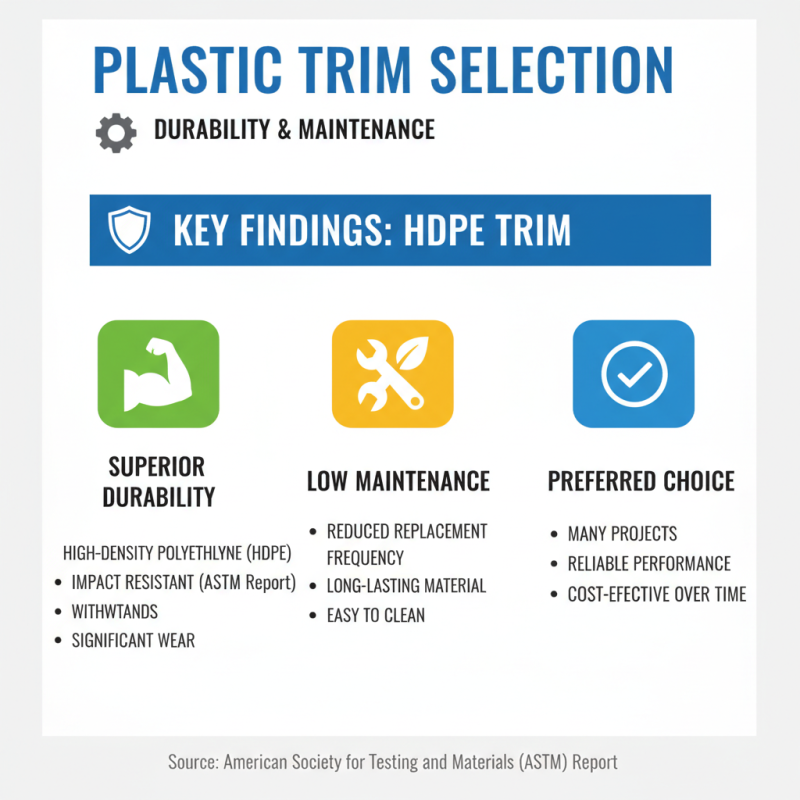
When selecting plastic trim, evaluating durability and maintenance needs is crucial. A report from the American Society for Testing and Materials (ASTM) highlights that high-density polyethylene (HDPE) exhibits superior impact resistance compared to other materials, making it a preferred option in many projects. HDPE can withstand significant wear, and its longevity reduces the need for frequent replacements.
Maintenance is another critical factor. Many plastic trims require minimal upkeep. According to a study by the American Institute of Architects, over 70% of builders report lower maintenance costs for projects that utilize durable plastic trims. Easy cleaning and resistance to mold and mildew enhance the appeal. However, not all trims are equal. Some may fade in UV exposure, which could necessitate repainting or replacement.
The choice of plastic trim can impact project longevity and aesthetic appeal. It's important to consider how various materials hold up under stress. For instance, while PVC is cost-effective, it can become brittle over time. Balancing cost and quality is essential in making the right decision. Understanding these nuances can lead to better outcomes in both durability and maintenance for your projects.
Cost-Effectiveness: Budgeting for Your Plastic Trim Selections
When selecting plastic trim, cost-effectiveness must be a key consideration. According to a report from the Plastic Industry Association, plastic trim can reduce overall project costs by 15% compared to traditional materials. This efficiency is largely due to lower material prices and reduced labor costs associated with lightweight and easy-to-install materials.
Choosing the right trim should also involve thorough budgeting. Many professionals recommend analyzing total lifecycle costs, including maintenance. Research suggests that poor quality or unsuitable materials can lead to replacements that double initial expenses. In fact, a study by the National Association of Home Builders found that trim made from high-quality plastic may last longer, ultimately saving money.
Transparency in pricing is crucial. Quoting from industry analysis, nearly 30% of projects exceed budgets due to unforeseen materials costs. Being informed allows professionals to balance quality with affordability effectively. Consider sourcing multiple quotes and evaluating the durability of options. Not every choice will be perfect, and reflection on past decisions can yield insight into better budgeting strategies for future projects.
Cost-Effectiveness of Plastic Trim Choices
This bar chart illustrates the cost per linear foot for different types of plastic trim commonly used in construction and DIY projects. The comparison highlights which materials are budget-friendly options based on their cost-effectiveness.