

Choosing the right Angle Valve in 2026 requires more than matching pipe size. A reliable selection begins with the water, air, or gas moving through the system. Temperature, pressure, flow rate, corrosion risk, and maintenance access all matter. A valve installed beneath a bathroom sink faces different demands from one serving a commercial boiler.
Material choice deserves careful attention. Brass remains practical for many plumbing systems, while stainless steel suits harsher environments. Plastic models can reduce cost and resist certain chemicals. However, the cheapest option may create leaks, noise, or early replacement costs. Check the manufacturer’s pressure ratings, temperature limits, connection type, and certification details. Do not rely on appearance alone.
Small details matter. I have seen installers struggle with a valve because the handle touched a cabinet wall. A compact quarter-turn design may solve that problem. Yet compact does not always mean stronger. That assumption needs testing. Consider sealing performance, thread quality, cartridge durability, and spare-part availability. Trusted manufacturers usually publish technical drawings and installation guidance. Independent standards and verified test information add confidence.
This guide examines practical buying decisions for homeowners, contractors, and facility teams. It connects product specifications with real installation conditions. A useful decision may involve a higher purchase price. It can still reduce service calls later. Even experienced professionals can overlook access space or water quality. Measure twice. Choose deliberately. A suitable Angle Valve should operate smoothly, remain secure, and support safe maintenance throughout its expected service life.
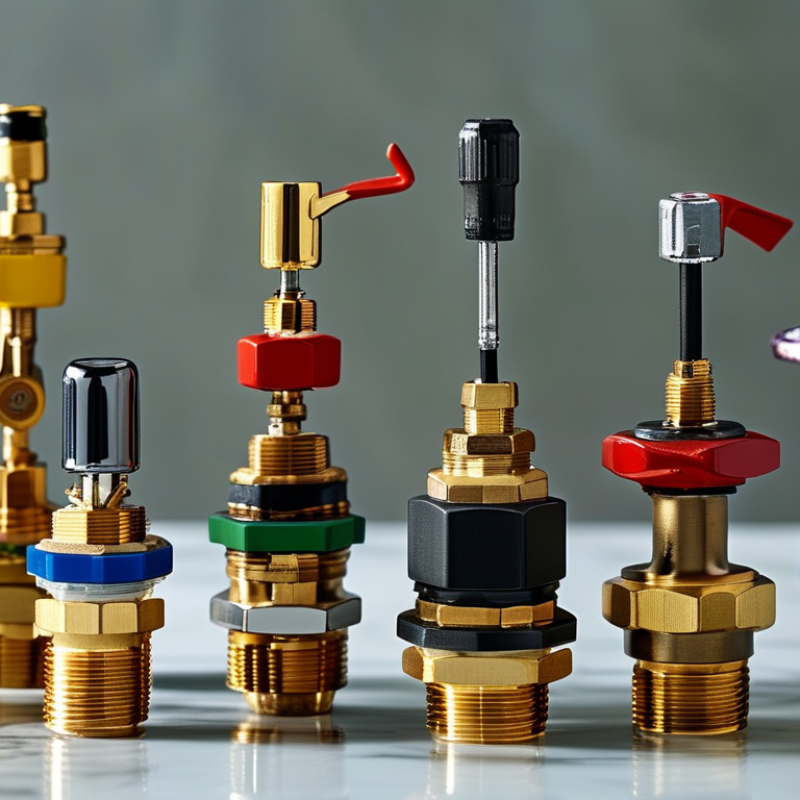
Define the purpose before comparing finishes or handle styles. An angle valve for a bathroom faucet differs from one serving a toilet or washing machine. The Water Research Foundation’s Residential End Uses of Water, Version 2, reports that toilets use about 24% of indoor water, while faucets account for 19%. These fixtures may operate differently, so select a valve based on flow demand, pressure, temperature, and connection size.
Measure the pipe outlet and fixture inlet before purchasing. Check whether the installation requires compression, threaded, or push-fit connections. Confirm the valve’s pressure and temperature ratings against the building’s plumbing conditions. In older homes, shutoff access can be limited, and corrosion may distort the pipe thread. Leave enough clearance for a wrench and future maintenance.
The U.S. Environmental Protection Agency’s WaterSense leak guidance estimates that household leaks can waste nearly 10,000 gallons annually. A reliable valve should close smoothly and allow quick isolation during repairs. Quarter-turn operation is often practical, but it is not automatically the best choice for every installation. A multi-turn valve may suit certain replacement conditions, especially when compatibility matters more than speed. I have seen installers choose by appearance, then discover poor alignment or insufficient clearance. That mistake is easy to prevent, although site measurements are sometimes incomplete. Verify the local plumbing code and test every connection slowly after installation.
Choosing an angle valve starts with the water conditions, not its appearance. Brass offers dependable strength for common indoor plumbing. Stainless steel handles moisture and corrosive environments more confidently. Plastic can resist chemical exposure, but heat and impact limits need careful checking. I have seen inexpensive plastic valves crack when overtightened. Material selection is not always obvious.
Measure twice.
Fit matters.
Check the valve size against the pipe and fixture connection. Common sizes vary by region and installation type, so confirm measurements before ordering. A smaller valve may restrict flow. An oversized valve may not seal correctly.
Compression connections suit many existing copper or plastic pipes. Threaded connections provide a firm fit when compatible threads are available. Push-fit connections can simplify repairs, but the pipe must be clean, round, and fully inserted.
Connection direction also matters under a sink. Choose an outlet angle that prevents sharp hose bends. Review pressure, temperature, and material ratings from reliable technical documents. For drinking-water systems, confirm that the valve is approved for that application. Local plumbing requirements may differ, so a qualified installer should verify uncertain details. I still recheck thread standards before installation; assumptions cause avoidable leaks. A valve that feels solid can remain unsuitable if its seal, size, or connection type does not match the system.
Choosing the right angle valve in 2026 starts with three numbers: pressure, temperature, and flow. Record the normal, minimum, and peak pressure, not just the pipe rating. A valve rated for 10 bar may require derating at elevated temperatures. Check the pressure-temperature table for the actual material and sealing compound. IAPWS-IF97 remains a trusted reference for water and steam properties, especially when hot service changes density and pressure behavior. Small details matter.
Flow selection needs equal care. Calculate the required flow coefficient, or Cv, from actual differential pressure and fluid density. Do not select by pipe diameter alone. An oversized valve may operate almost closed, causing poor adjustment and noisy flow. An undersized valve can create excessive pressure loss. The World Bank estimates that treated-water losses reach about 32 billion cubic meters annually worldwide, showing why weak isolation and leakage control deserve attention. EPA WaterSense also reports that household leaks can waste more than 10,000 gallons yearly. Industrial systems can waste far more.
Leave room for reality. Temporary pressure spikes, water hammer, and temperature cycling are easy to underestimate. I have seen a suitable-looking valve fail because the opening pressure was checked, but the closing event was ignored. Review the fluid chemistry, connection type, maintenance access, and expected cycles. Then compare the selection with applicable ASME, ISO, and local installation requirements. Even a careful calculation can be wrong when field data is incomplete.
Evaluate the required pressure, temperature, and flow before selecting an angle valve. The chart shows representative preliminary design points for common services.
Use the operating pressure and temperature as the first screening criteria, then confirm the required flow with the valve’s Cv or Kv value and expected pressure drop. These values are realistic reference points for preliminary comparison, not universal valve ratings. Always verify the final selection against the applicable technical datasheet, connection standard, fluid compatibility, and safety requirements.
When choosing an angle valve in 2026, certification should be more than a printed logo on the box. Check whether the valve meets recognized plumbing or safety standards in your region. Ask for current test reports, certificate numbers, and traceable manufacturer information. A supplier who avoids clear answers deserves caution. Certification does not guarantee perfect performance, but missing documentation is a serious warning sign.
Durability depends on the installation environment. For a bathroom sink, look for corrosion-resistant materials and a handle that turns smoothly without excessive force. In areas with hard water, internal scale resistance matters. For higher-pressure systems, confirm the valve’s pressure and temperature ratings before purchase. I have seen small valves fail because installers checked the pipe size but ignored pressure cycles. That mistake is easy to repeat. Think beyond the first day.
Tips: Turn the handle gently during inspection. Check for leaks around the stem and connection threads. Keep the product sheet near the plumbing fixture. Record the installation date. Every few months, inspect for mineral deposits, stiffness, or dampness. A valve that looks clean may still be developing an internal problem. Replacement access also matters, so avoid installing it behind permanent panels when possible. Maintenance is often overlooked until water stains appear.
| Valve Application / Type | Recommended Body and Seal Materials | Typical Connection Options | Pressure and Temperature Checks | Certification and Compliance to Verify | Durability Indicators | Maintenance Needs |
|---|---|---|---|---|---|---|
| Residential cold-water supply | Forged brass or corrosion-resistant stainless steel body; EPDM or equivalent potable-water-rated seals. | Compression, threaded, push-fit, or soldered inlet; outlet sized for the faucet, toilet, or appliance. | Select a pressure rating at or above the building supply pressure. Common residential ratings are around 125 psi / 8.6 bar, but the valve marking must be checked. Confirm the approved temperature range. | For drinking-water use, look for applicable requirements such as NSF/ANSI/CAN 61. For plumbing supply fittings, check ASME A112.18.1/CSA B125.1 or the applicable local standard. | Solid forged body, full-size internal passage, corrosion-resistant stem, replaceable packing or cartridge, and clear pressure markings. | Operate the handle gently once or twice a year, inspect for seepage, and replace the valve if the body, stem, or connection shows corrosion or damage. |
| Hot-water or mixed-water supply | Forged brass or stainless steel body with seals specifically rated for continuous hot-water service; avoid unverified elastomers. | Threaded, compression, solder, or press connections selected to match the pipe material and local code. | Check both maximum working pressure and maximum temperature. The valve must be rated for the actual water-heater outlet temperature, not only normal tap temperature. | Verify potable-water contact approval where applicable and compliance with the local plumbing code. Certification must cover the complete valve, including seals and coatings. | Heat-resistant seals, low-lead construction where required, stable handle attachment, and resistance to dezincification if brass is used in an aggressive-water environment. | Inspect annually for mineral deposits, handle stiffness, and hot-side seepage. Do not apply unapproved lubricants to seals exposed to potable water. |
| Toilet or faucet isolation valve | Brass or stainless steel body; EPDM seals for potable water; stainless steel or plated brass stem preferred for frequent operation. | Angle-stop configuration with a straight or angled outlet; choose compression or threaded connections that match the fixture supply line. | Confirm the valve is rated for the system pressure and for the water temperature supplied to the fixture. Do not exceed the marked rating. | Check applicable plumbing-fittings requirements, potable-water contact certification, and low-lead requirements for the installation location. | Quarter-turn ball valves generally provide quick shutoff and fewer operating turns; multi-turn valves may be suitable where gradual flow control is preferred. | Turn the valve periodically to reduce sticking. Replace rather than rebuild a low-cost valve if the shutoff remains unreliable or the compression joint leaks. |
| Appliance connection, such as dishwasher or washing machine | Corrosion-resistant brass or stainless steel body; seals must be compatible with potable water and the appliance hose connection. | Use the correct outlet size and thread type for the appliance hose. Avoid mixing incompatible thread forms or relying on excessive sealant. | Verify the valve pressure rating and the appliance manufacturer's maximum inlet pressure. Check temperature suitability for hot-water appliances. | Use potable-water compliance documentation and any appliance or plumbing-code requirements applicable to the installation. | A robust handle, strain-resistant outlet, accessible shutoff, and a replaceable or standard-size washer improve serviceability and reduce leak risk. | Inspect the valve and hose connections at least annually and after moving the appliance. Replace hoses and valves showing bulging, rust, cracking, or persistent leakage. |
| Commercial or high-use plumbing fixture | Forged brass or stainless steel body with industrial-grade seals and a stem or cartridge designed for repeated operation. | Select threaded, press, compression, or solder connections according to the pipe system and the building specification. | Use the highest pressure and temperature conditions expected during operation, including pressure surges where relevant. Confirm suitability for continuous duty. | Require documented compliance with the governing plumbing standard, potable-water requirements where relevant, and local inspection or code provisions. | Prioritize replaceable cartridges, standardized repair parts, corrosion-resistant fasteners, test records, and a published service procedure. | Include the valve in the facility inspection schedule. Test operation and check for leakage at least annually, or more often in critical or high-cycle installations. |
| Aggressive water, coastal, or humid environment | Prefer stainless steel or brass with verified dezincification resistance where required; use seals compatible with the water chemistry and temperature. | Choose connections that limit galvanic corrosion and follow the manufacturer's requirements for dielectric separation when dissimilar metals are joined. | Confirm pressure and temperature ratings after considering external exposure, thermal cycling, and any water-treatment chemicals. | Verify material declarations, potable-water approval where applicable, and compliance with local restrictions on lead and other regulated substances. | Look for corrosion-resistant finishes, protected threads, stainless hardware, durable plating, and evidence of material testing rather than appearance alone. | Inspect more frequently for pitting, green or white deposits, coating failure, and galvanic corrosion. Replace components before corrosion compromises the pressure boundary. |
How to Choose the Right Angle Valve in 2026?
Select the Best Valve Based on Cost and Compatibility
Choosing an angle valve starts with the connection, not the price tag. Measure the pipe size, thread type, outlet direction, and available installation space. A valve may look suitable but still fail to seal correctly. I have seen small thread mismatches cause repeated leaks and expensive repairs. Check whether the inlet and outlet use compatible standards. Confirm the valve’s pressure and temperature ratings before ordering.
Cost matters beyond the purchase price. A low-cost valve can become expensive when it needs frequent replacement. Compare the body material, sealing components, service life, and warranty terms. Stainless steel may suit demanding environments, while reinforced plastic can work well in lighter applications. Choose according to water quality and exposure conditions. Avoid paying for specifications your system does not need.
Flow control also deserves attention. Some angle valves are designed for simple shutoff, while others support precise adjustment. A compact handle helps in narrow cabinets. Quarter-turn operation is usually convenient. I once focused too heavily on initial cost and overlooked access for maintenance. That choice was not ideal. Review installation records, technical documents, and independent test information when available. A qualified installer can verify compatibility before the valve reaches the worksite.
All products and services provided by Innovative Plastic Molders, Inc. will meet or exceed our customer's perceived requirements and expectations. We will listen and respond to what our customers are telling us in a timely and forthright manner.

ISO 9001:2015 CERTIFIED
© Copyright 2009 – Innovative Plastic Molders, Inc.
Website by Central 8 Marketing
10451 Dog Leg Road Ste 200
Vandalia, OH 45377
Phone: 937.898.3775
Fax: 937.535.0640
Email: sale@endtheplastic.com

