
BLOG

How to Choose an Injection Molding Supplier in 2026?

Choosing an injection molding supplier in 2026 means looking beyond the lowest piece price. A polished quote can hide expensive tooling changes, unclear quality checks, or long response times. The better question is whether a supplier can make your part consistently, at the volume and tolerances your project requires. Small details matter: resin drying records, mold-maintenance logs, and how quickly an engineer explains a sample defect.

John Bozzelli, an injection molding consultant and educator, has long emphasized process control. A practical paraphrase of his guidance is: “Consistent parts depend on a controlled, measurable process.” Treat that as a useful test, not a guarantee. Ask suppliers how they set process limits, document inspection results, and respond when dimensions drift. Request evidence from comparable parts, not just a capability presentation. A clear trial plan can reveal more than a brochure.

Also assess communication, capacity, material experience, tooling ownership, and realistic lead times. Ask who will support your project after the first production run. Can the team explain a sink mark without blaming the drawing? Can it show how a proposed design change affects cost and performance? These conversations expose strengths—and gaps.

No checklist removes uncertainty. Some supplier claims will still need verification, and a promising sample may not predict long-run stability. Start with a documented review, then confirm critical assumptions through sampling and production data. That extra scrutiny takes time. It is usually cheaper than discovering a preventable problem after launch.
How to Choose an Injection Molding Supplier in 2026?

Define Your Injection Molding Project Requirements

Define Your Injection Molding Project Requirements

For 2026 sourcing, describe what the part must do, not just how it should look. State its function, mating components, expected loads, operating temperature, and exposure to moisture, chemicals, or sunlight. Identify critical dimensions and acceptable tolerances on a drawing. Small details matter. A clip that flexes repeatedly needs different design choices from a decorative cover.

Specify material needs by performance: impact strength, stiffness, heat resistance, or UV stability. Include color, surface texture, and visible areas where gate or ejector marks are unacceptable. Be specific. Note whether parts need inserts, threaded features, or post-molding assembly. If the design is still changing, say so; a firm quote may otherwise rest on fragile assumptions.

Share expected annual demand, batch sizes, launch timing, and packaging needs. Separate prototype quantities from likely production volumes. Ask the supplier to review wall thickness, draft angles, undercuts, and tolerance risks before tooling begins. Your first estimate may be wrong. Explain where uncertainty remains, and update it when forecasts improve. That is less polished than a fixed number, but more useful for planning.

Identify Suppliers with the Right Materials and Production Capabilities

Choosing an injection molding supplier starts with the part, not a polished capability list. Match the resin to heat, impact, chemical exposure, appearance, and expected service life. Ask whether the supplier regularly processes that grade and can explain drying, shrinkage, and handling needs. A resin name alone proves little. Request sample parts or material data relevant to your application.

Check that the production setup fits your part and forecast. Press size matters, but so do mold dimensions, clamp force, cavity count, and available production time. Ask how tools are maintained and how process settings are recorded between runs.

Review inspection methods for critical dimensions, such as a thin wall or snap-fit feature. A pilot run can reveal defects before full production. It is easy to overfocus on machine size; that is not the whole answer. Ask for evidence, such as inspection records or a documented trial.

Tips: Share a drawing, target volume, resin preference, and tolerance requirements when requesting a quote. Ask what could make the part difficult to mold. Compare answers carefully; a supplier who flags a design trade-off may be more useful than one who promises everything. No checklist catches everything.

Assess Quality Systems, Certifications, and Tooling Expertise

Choosing an injection molding supplier starts with evidence, not a polished presentation. Ask how its quality system handles nonconforming parts, corrective actions, and changes to process settings. A certificate can be useful, but check its current status, scope, and issuing body. Paper is not proof. Request a sample inspection report and traceability record for a recent production run. Look for measured dimensions, material lot details, and clear acceptance limits.

Certifications should fit the part and its intended use. For example, a supplier serving medical applications may need a quality system suited to that environment. Confirm that the relevant facility—not just the company headquarters—is covered. Ask to see calibration records and how operators document first-piece checks. Details matter. A brief visit can reveal whether gauges are maintained and work instructions are actually used.

I still find this easy to overlook: a clean audit file does not guarantee consistent production on a busy shift. Tooling expertise is equally practical. Ask who designs, builds, and maintains the mold, and whether the supplier can explain cooling layout, gate placement, and venting choices. Request maintenance logs and discuss how wear is tracked. Review trial parts for flash, sink marks, and variation across cavities. A capable team should explain what it would adjust, not promise perfection. Not always. The supplier’s response to a difficult question can be more revealing than a flawless sample.

Compare Pricing, Lead Times, Communication, and Supply Chain Risks

For a 2026 injection molding project, compare like with like. A low unit price may exclude mold maintenance, resin drying, inspection, packaging, or freight. Ask suppliers to price the same part revision, material grade, annual volume, and acceptance criteria. Then check tooling costs separately. Small differences add up.

Lead times deserve evidence, not optimism. Request recent on-time delivery rates, typical production lead times, and the assumptions behind each estimate. Ask what happens when a mold needs repair or resin arrives late. Communication is measurable, too: note response times, whether answers include data, and who owns corrective actions. Try a small technical question before awarding the work. It can reveal a lot.

Supply-chain resilience belongs in the comparison. McKinsey’s 2020 survey of 60 senior supply-chain executives found that 93% planned to increase supply-chain resilience. Ask whether critical resins, inserts, and tooling components have qualified alternatives, and where they are sourced. Request a simple disruption plan with named contacts and realistic recovery times. A scorecard still cannot predict every delay. Review it quarterly, and leave room to challenge your own assumptions.

Validate Shortlisted Suppliers with Samples and a Production Trial

A sample should prove more than appearance. Ask shortlisted injection molding suppliers to produce parts using the proposed resin, tool design, and process settings. Check critical dimensions, fit, surface finish, and visible defects under consistent conditions. Record the measurement method and sample quantity; one hand-picked part is weak evidence. A glossy sample can still mislead.

Then run a production trial on the intended machine and tooling. Observe a full shift if possible, and request a documented run showing cycle time, scrap, and dimensional results across the run. Deloitte’s 2024 smart manufacturing survey of 600 manufacturing executives found that 86% expect smart manufacturing to be a key competitiveness driver within five years. That makes reliable process data worth checking, not just promising equipment. Confirm the supplier can share traceable records for material lots and machine settings. Keep the acceptance criteria in writing before the trial starts. Small detail, big difference.

Review failed parts, too. Ask what caused them and how corrective changes will be verified. A trial is not a guarantee; it is a chance to expose gaps before production orders grow. If results vary, pause and investigate rather than accepting an average that hides outliers. It may feel slower. It is often cheaper than discovering the problem after delivery.

How to Choose an Injection Molding Supplier in 2026?

Validate shortlisted suppliers with samples and a production trial

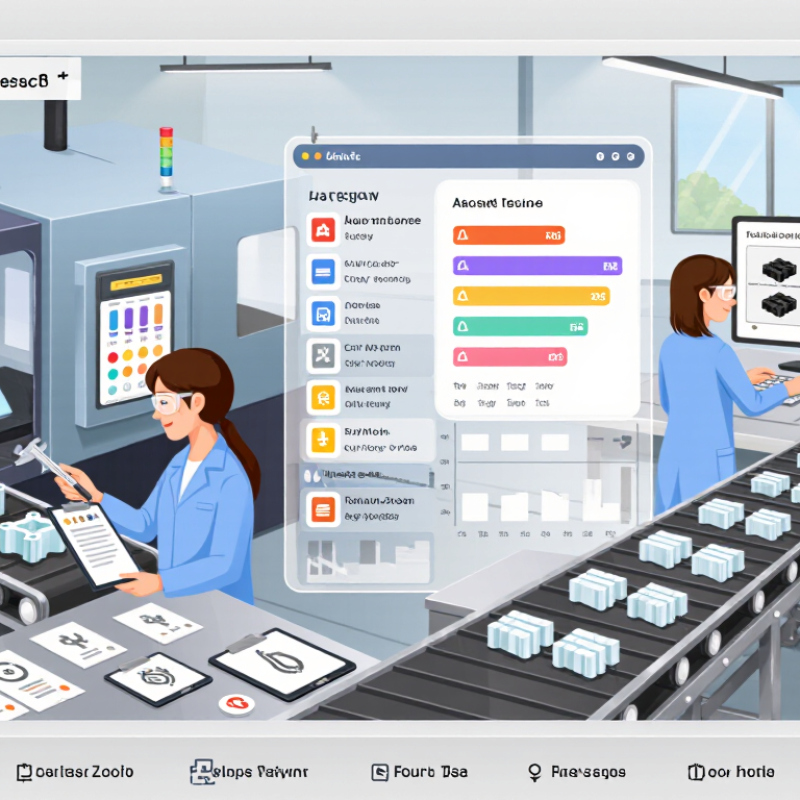
These illustrative targets are starting points, not universal industry standards. Set acceptance limits for your part, material, and risk level before testing. Inspect representative samples, then confirm performance during a production trial using agreed measurement methods and recorded results.

Go to Top