

BLOG

What Are the 2026 Best Skin Care Products for Buyers?

Choosing the 2026 best skin care products requires more than following viral launches or attractive packaging. Buyers need evidence, clear ingredients, and realistic expectations. A glowing claim does not replace a controlled study. Nor does a premium price guarantee better results.

Board-certified dermatologist Dr. Mona Gohara has said, “Skin care is self-care.” That idea matters, but it needs practical limits. Self-care should not mean buying ten products for one concern. It may begin with a gentle cleanser, a well-formulated moisturizer, and broad-spectrum sunscreen. Simple often works.

This guide will examine the products most likely to serve real buyers in 2026. It will compare formulas by skin type, active ingredients, texture, tolerability, packaging, and value. Ingredients such as retinoids, vitamin C, niacinamide, ceramides, and azelaic acid can be useful. However, their results depend on concentration, stability, consistent use, and individual sensitivity.

A dry-skin buyer may prefer a fragrance-free cream with ceramides and glycerin. Someone with oily skin may choose a lightweight, non-comedogenic lotion. Sensitive skin needs extra caution. Patch testing still matters.

There is no perfect shelf.

Even expert recommendations can miss personal differences. Hormonal changes, climate, medication, and allergies may alter results. Some popular products may disappoint after several weeks. That is not failure; it is information.

The strongest buying decision is informed, patient, and adaptable. This overview will separate meaningful innovation from polished marketing, while acknowledging where evidence remains limited. It will also highlight when professional dermatological advice is safer than experimenting alone.
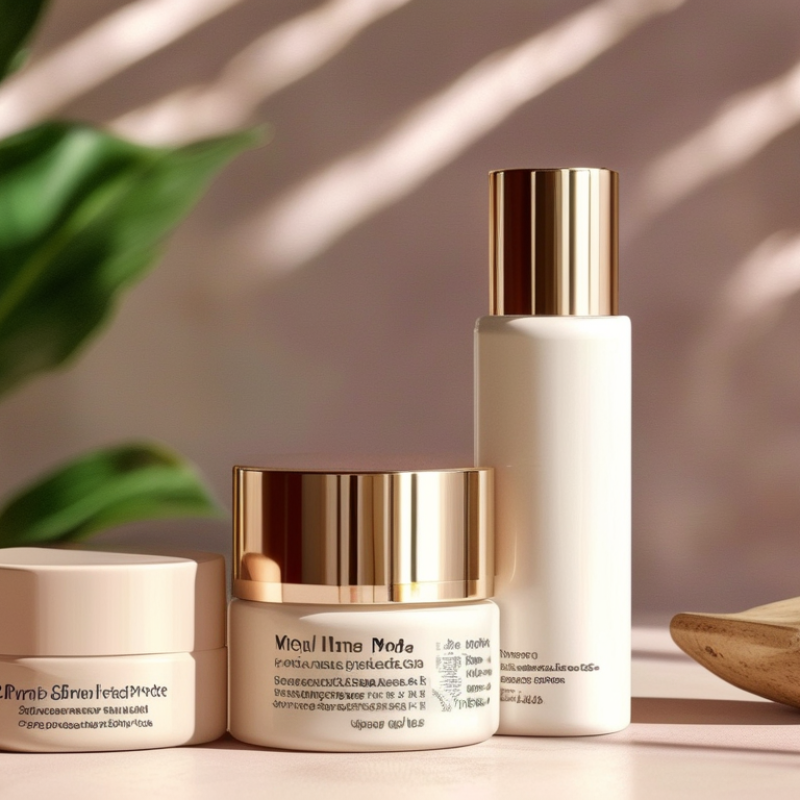
What Are the 2026 Best Skin Care Products for Buyers?

Defining the Best Skin Care Products for 2026 Buyers

For 2026 buyers, the best skin care products should solve clear needs without creating complicated routines. A gentle cleanser, a fragrance-free moisturizer, and broad-spectrum sunscreen remain practical foundations. The right choice depends on skin type, climate, age, and sensitivity. Dry skin may need ceramides and richer textures. Oily skin often benefits from lightweight, non-comedogenic formulas. Sensitive skin requires fewer ingredients and careful testing.

Evidence should guide purchasing decisions. Buyers can examine ingredient lists, clinical testing details, and transparent safety information. Claims such as “instant repair” deserve caution. A product supported by dermatological research is more trustworthy than one relying only on dramatic testimonials. Patch testing on a small area can reveal irritation before regular use. It is a small step.

Product texture also matters in real life. A sunscreen that feels heavy may stay unused in a bathroom drawer. A moisturizer that pills under makeup can disrupt a morning routine. Personal experience often exposes weaknesses that advertisements hide. Still, one person’s success does not prove universal effectiveness. Skin reacts differently, and even well-designed products may disappoint. I would rather choose a simple formula consistently than collect attractive products without a clear purpose.

Buyers should also consider packaging, expiration dates, and storage instructions. Airless containers can reduce repeated exposure to air and fingers. However, packaging alone does not guarantee quality. A reliable product should offer understandable directions, realistic expectations, and accessible support from qualified professionals. The best skin care products for 2026 buyers are not necessarily the newest. They are the ones that fit verified needs, tolerate daily use, and earn trust over time.

Identifying Products for Different Skin Types and Concerns

Choosing the best skin care products in 2026 starts with your skin type, not a trend. Oily skin often benefits from lightweight, non-comedogenic moisturizers and gentle gel cleansers. Dry skin usually needs creamy cleansers, ceramides, and humectants that help hold water. Sensitive skin requires fewer ingredients, fragrance-free formulas, and gradual testing.

Concern matters too. For acne-prone skin, salicylic acid may help clear blocked pores, while adapalene can support long-term treatment when used correctly. Dark spots often respond to vitamin C, niacinamide, or azelaic acid, but results take time. For fine lines, daily broad-spectrum sunscreen remains essential. Product labels can sound convincing, yet concentration and tolerance matter more than impressive wording. I have found that a simple routine is easier to follow, although it may feel less exciting.

Tips: Patch-test one new product on your inner arm for several days. Apply moisturizer to slightly damp skin. Introduce active ingredients slowly, perhaps twice weekly. Stop if burning, swelling, or persistent redness appears. Keep a small routine log with dates, product names, and skin reactions. This makes changes easier to judge. If acne, eczema, or sudden irritation continues, consult a qualified dermatologist instead of repeatedly changing products. Personal experience helps, but it is not a diagnosis.

Comparing Ingredients, Formulas, and Product Benefits

Choosing the 2026 best skin care products requires more than attractive packaging or trending ingredients. Compare the formula, concentration, stability, and evidence behind each claim. A gentle cleanser with mild surfactants may protect the skin barrier better than a strong foaming wash. Look for glycerin, ceramides, or panthenol when dryness and tightness appear. Skin can feel comfortable quickly. Results often take longer.

For uneven tone, products containing niacinamide, azelaic acid, or stabilized vitamin C may offer useful benefits. However, percentages do not tell the entire story. A well-balanced formula can outperform a higher-strength product that causes redness. Sunscreen remains essential because ultraviolet exposure can worsen dark spots and collagen loss. Choose broad-spectrum protection with a texture you will apply generously every morning. Reapply during extended outdoor activity.

Sensitive skin needs a slower evaluation. Introduce one new product at a time, then watch for burning, swelling, persistent itching, or peeling. Patch testing can reduce surprises, although it cannot predict every reaction. Fragrance-free formulas may be preferable for reactive users, but “natural” does not automatically mean safer. I have found that simple routines are easier to follow, yet this approach can overlook individual concerns. Ingredient lists also have limits because packaging, storage, and application affect performance. For ongoing acne, eczema, or sudden changes, professional medical advice is more dependable than online reviews.

Evaluating Safety, Sustainability, Price, and Brand Quality

Choosing the 2026 best skin care products requires more than attractive packaging. Safety should begin with complete ingredient lists, clear usage instructions, and evidence of stability and microbiological testing. In the United States, the FDA does not generally pre-approve cosmetics before sale, while the Modernization of Cosmetics Regulation Act strengthens facility registration and serious adverse-event reporting. Buyers should therefore examine batch information, testing transparency, and realistic claims. “Dermatologist tested” is not automatically proof of effectiveness.

Sustainability also needs measurable details. PwC’s 2024 Voice of the Consumer Survey found that consumers were willing to pay an average 9.7% more for sustainably produced goods. However, a refill pouch is not always better if transport, material complexity, or disposal reduces its benefits. Look for recycled content, concentrated formulas, durable pumps, and disposal guidance. Packaging claims can sound greener than they are.

Price should reflect formula quality, not prestige. Compare the cost per millilitre and the concentration of useful ingredients. A lower-priced product may perform well when its formula is simple and stable. Brand quality is stronger when companies publish manufacturing standards, complaint procedures, and independent test results. No scorecard is perfect. I still question whether every “clean” claim has meaningful scientific value, especially when the evidence is hidden behind vague wording. The 2024 McKinsey beauty market analysis also shows continued premiumisation, but higher prices do not guarantee safer or more sustainable choices.

What Are the 2026 Best Skin Care Products for Buyers? — Evaluating Safety, Sustainability, Price, and Brand Quality
Product Category Evidence-Based Ingredients or Format Safety Assessment Sustainability Evaluation Typical Price Range* Quality Signals Buyers Should Check Best Use Case
Broad-Spectrum Mineral Sunscreen Zinc oxide and/or titanium dioxide; SPF 30 or higher; broad-spectrum protection. Generally suitable for sensitive skin. Choose fragrance-free formulas when irritation is a concern. Reapply after swimming, sweating, or prolonged outdoor exposure. Prefer concentrated or refillable packaging, recyclable components, and formulas that do not require excessive secondary packaging. Avoid making “reef-safe” claims the sole purchasing criterion because definitions are not standardized. US$12–35 per 50–100 mL SPF 30+ Broad spectrum Clear ingredient list Batch information Daily protection from ultraviolet radiation, including outdoor and high-exposure activities.
Gentle Low-Foaming Cleanser Mild surfactants, glycerin, and water-binding ingredients; low or no fragrance. A suitable option for most skin types, especially dry or reactive skin. Avoid very hot water and aggressive scrubbing, which can increase dryness and irritation. A larger pump bottle, refill pouch, or concentrated format can reduce packaging per use. Rinse-off formulas should avoid unnecessary microbeads and excessive decorative packaging. US$8–25 per 150–250 mL Fragrance-free option pH-conscious formula Secure dispenser No abrasive particles Basic cleansing without leaving the skin tight, burning, or excessively dry.
Ceramide Moisturizer Ceramides combined with humectants such as glycerin and occlusives such as petrolatum or dimethicone. Supports the skin barrier and is commonly appropriate for dry or sensitive skin. Patch testing is sensible when the formula contains multiple botanical extracts. Favor uncomplicated formulas in recyclable, lightweight containers. Airless pumps can improve product protection but may use more material than simple tubes. US$10–32 per 50–200 mL Ceramide content listed Fragrance-free option Stable packaging Clear directions Dryness, rough texture, seasonal sensitivity, and maintenance of the skin barrier.
Niacinamide Serum or Lotion Niacinamide, commonly used in concentrations around 2–5%; may be combined with humectants and barrier-supporting ingredients. Generally well tolerated. Higher concentrations are not automatically better and may cause flushing or irritation in some users. Choose appropriately sized packaging to reduce expired product. A simple water-based formula with a recyclable bottle or tube is usually preferable to oversized presentation packaging. US$8–28 per 30–60 mL Moderate concentration Minimal fragrance Opaque or protective package Expiration guidance Support for uneven tone, excess oil appearance, and general barrier care.
Vitamin C Serum L-ascorbic acid is commonly studied at approximately 10–20%; stabilized vitamin C derivatives are alternatives. May cause stinging, dryness, or irritation. Light- and air-sensitive formulas can oxidize; discard products that develop a significant dark brown color or unusual odor. Prefer smaller, appropriately sized opaque or air-restrictive packaging. Avoid buying large bottles when regular use is unlikely before oxidation. US$12–45 per 20–30 mL Opaque container Air-limiting closure Date or PAO symbol Stable storage instructions antioxidant support and improvement of the appearance of uneven pigmentation when used consistently with sunscreen.
Retinoid Treatment Retinol, retinal, or an over-the-counter adapalene 0.1% product, depending on the intended use and local regulations. Can cause dryness, peeling, and increased irritation during introduction. Start gradually and use sunscreen. People who are pregnant or trying to become pregnant should seek professional medical guidance before using retinoid products. Select smaller tubes or airless packaging that protects formula stability. Products with clear dosing instructions help reduce waste caused by over-application. US$12–45 per 15–50 mL Defined retinoid type Light-protective package Usage instructions Tamper evidence Visible signs of photoaging, uneven texture, or acne-related concerns, depending on the specific retinoid.
Salicylic Acid Product Salicylic acid, commonly used in leave-on products around 0.5–2%; rinse-off formulas may use different concentrations. Useful for oily or blemish-prone skin but can cause dryness and irritation. Do not combine several strong exfoliating products without a clear need. Rinse-off products in larger containers can reduce packaging per application. Avoid formulas containing plastic exfoliating beads. US$7–25 per 100–200 mL or 30–60 mL Concentration shown No plastic microbeads Usage frequency stated Irritation warnings Managing the appearance of clogged pores, excess oil, and occasional blemishes.
Azelaic Acid Treatment Azelaic acid at approximately 10% in cosmetic products; higher strengths may be regulated as medicines in some markets. Often considered a useful option for blemish-prone or redness-prone skin, but tingling and dryness may occur during initial use. Prefer a recyclable tube with limited secondary packaging. A stable, water-based formula can be more practical than multi-step products with redundant packaging. US$10– thirty-five per 30–50 mL Strength clearly stated Tube packaging Patch-test guidance Transparent labeling Uneven-looking tone, blemish-prone skin, and mild visible redness, subject to individual tolerance.
Buyer guidance: Prices are indicative US mass-market retail ranges for 2025–2026 and vary by size, retailer, region, and formulation. “Best” depends on skin type, intended use, ingredient tolerance, packaging impact, and total cost per effective use. Product quality should be assessed from the complete ingredient list, packaging integrity, directions, expiration or period-after-opening information, and transparent safety claims rather than marketing language alone.

Choosing a Personalized Skin Care Routine for 2026

Choosing a Personalized Skin Care Routine for 2026

The best skin care routine begins with your skin’s actual needs, not a crowded shelf. In 2026, buyers should assess oiliness, dryness, sensitivity, acne, and uneven tone before choosing products. McKinsey’s 2023 beauty report projected the global beauty market could reach $580 billion by 2027. Skincare remains a major growth category. However, popularity does not prove suitability.

A practical routine usually needs a gentle cleanser, a moisturizer, and broad-spectrum sunscreen. Add one targeted product only after your skin feels stable. For example, salicylic acid may suit clogged pores, while azelaic acid can support uneven tone and redness. The American Academy of Dermatology recommends sunscreen with SPF 30 or higher. NIQ’s 2024 State of Beauty report reported global beauty sales growth of about 7% in 2023, showing strong consumer demand. More choices can help. They can also encourage overuse.

Tips: Patch-test new products for several days. Introduce one active at a time. Read ingredient lists carefully. Keep a simple skin diary with dates, symptoms, and photographs. Stop if burning, swelling, or persistent irritation appears, and consult a qualified dermatologist. This method is not perfect. Weather, stress, hormones, and medication can change skin behavior. A routine that worked last winter may feel too heavy in humid weather. Review your choices every few weeks, rather than changing everything overnight.

Article Source:

Go to Top
